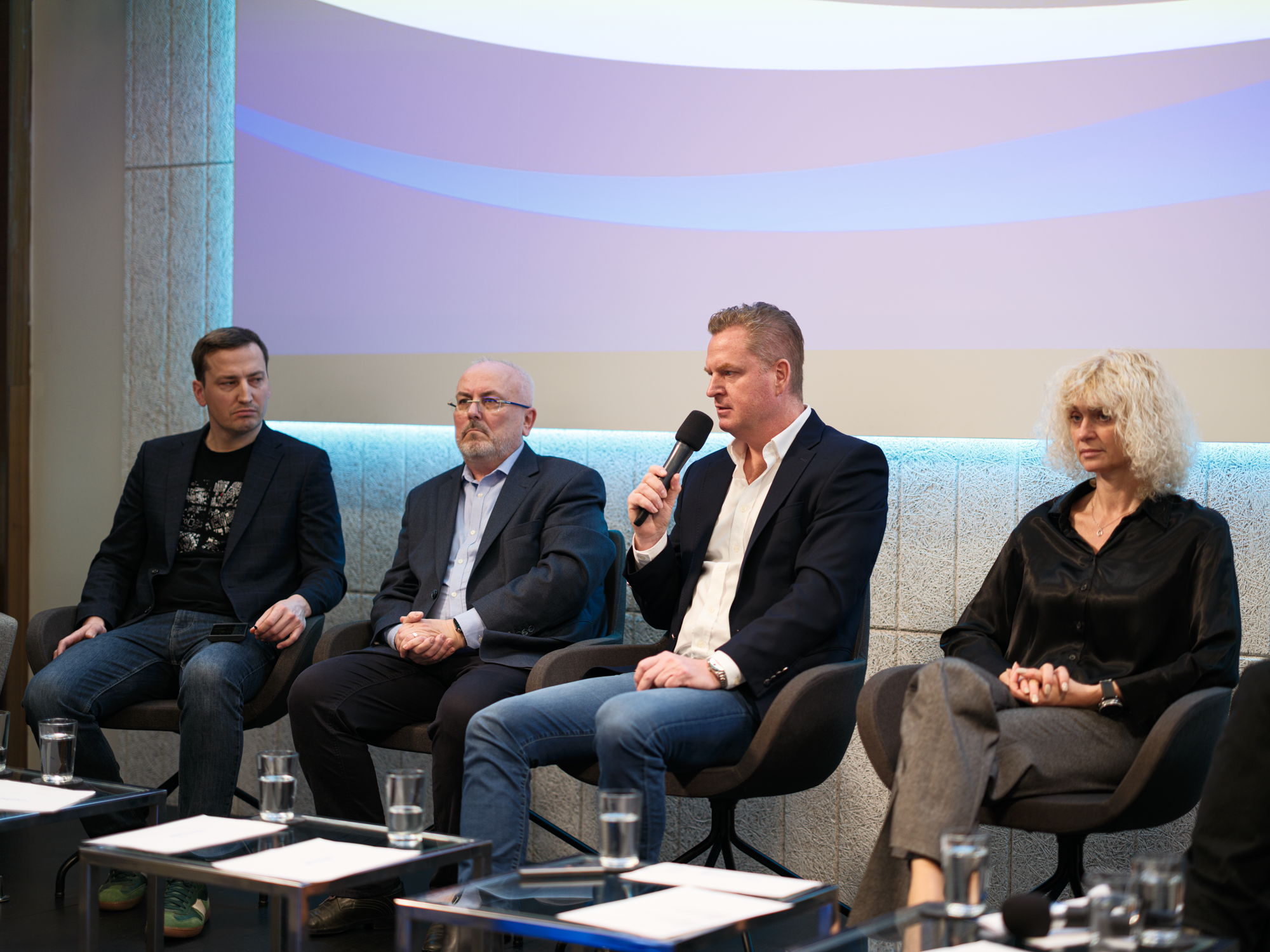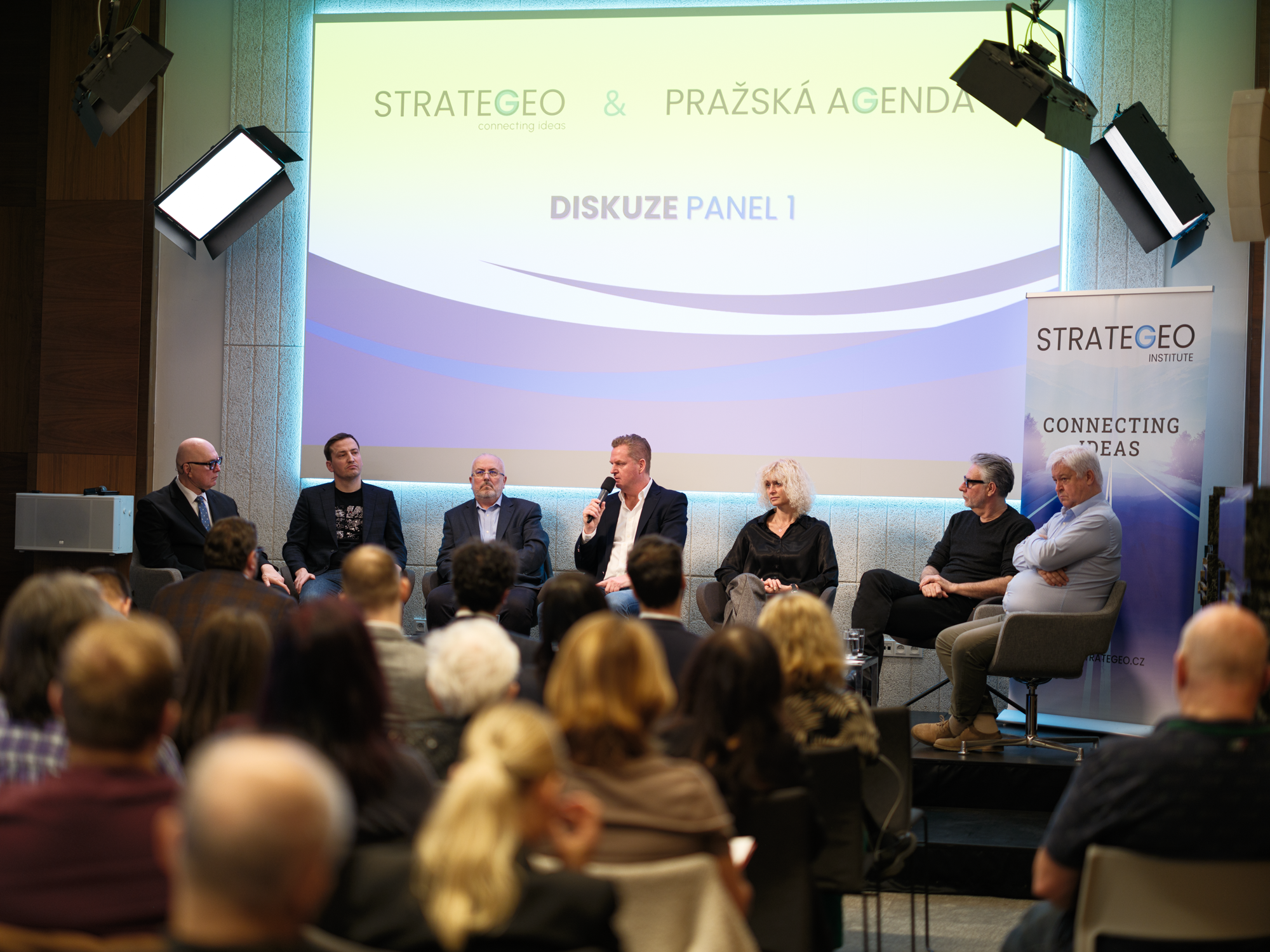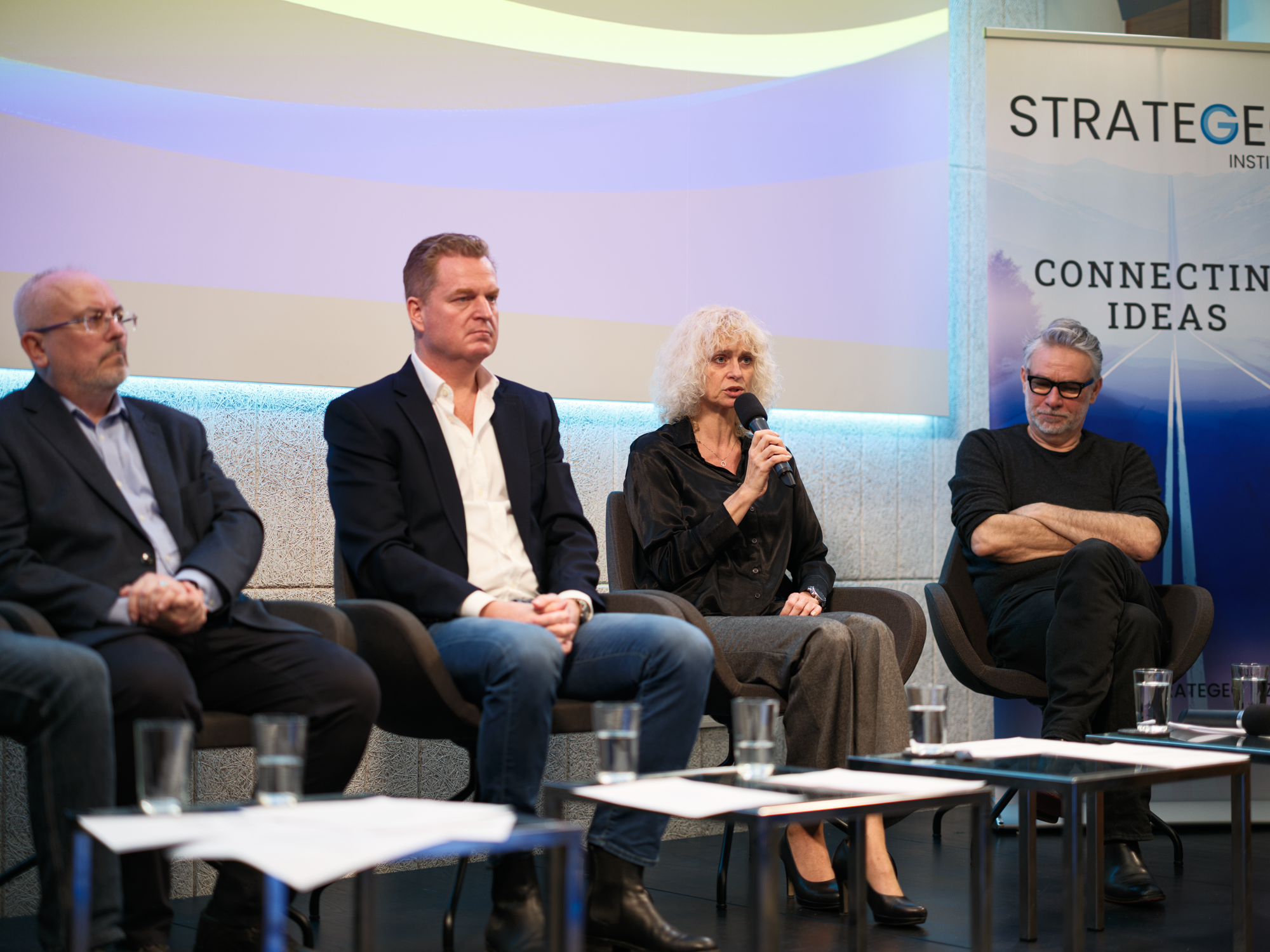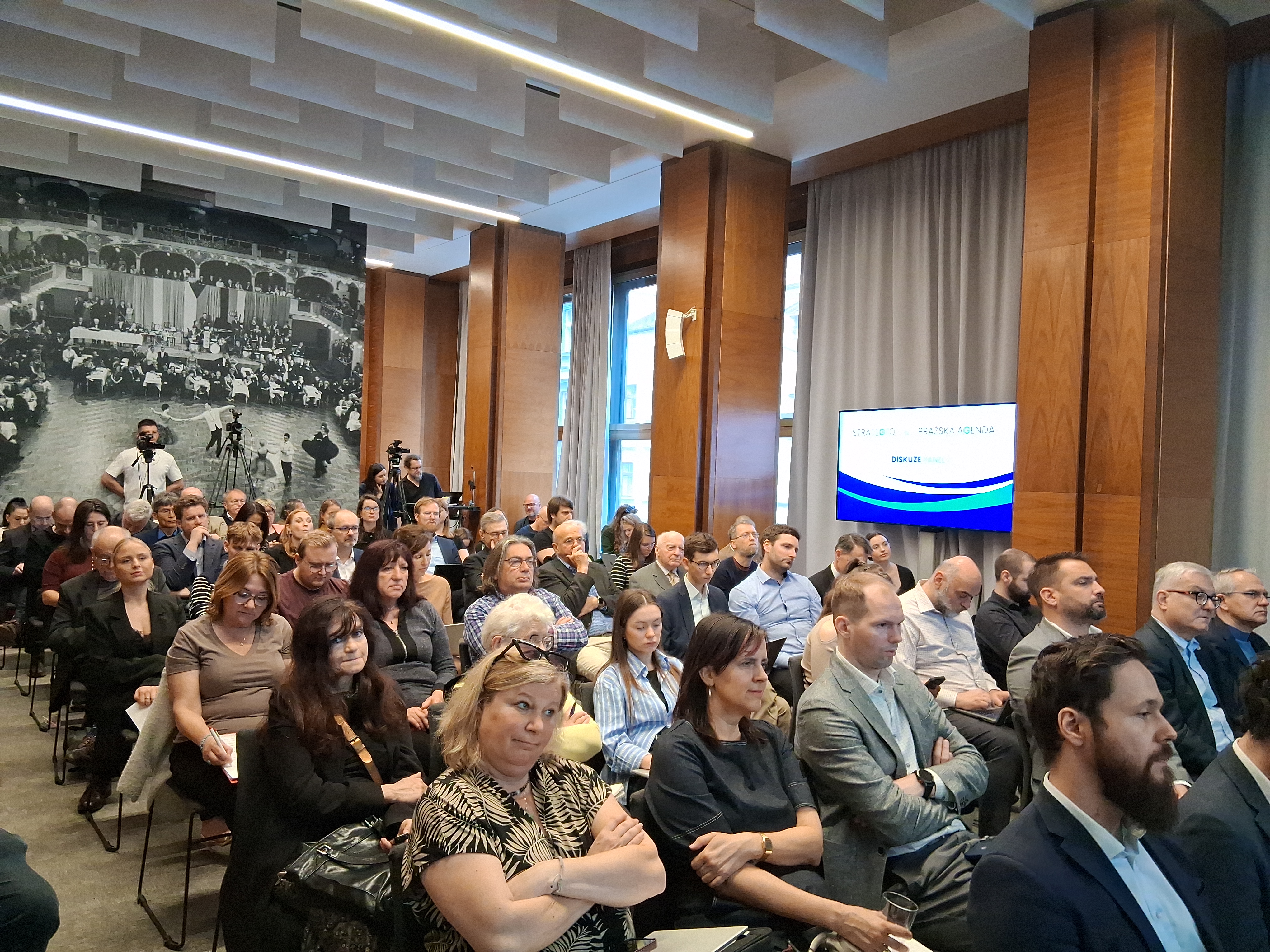
Another topic of the public debate organized by the Prague Agenda initiative was the housing situation in Prague.
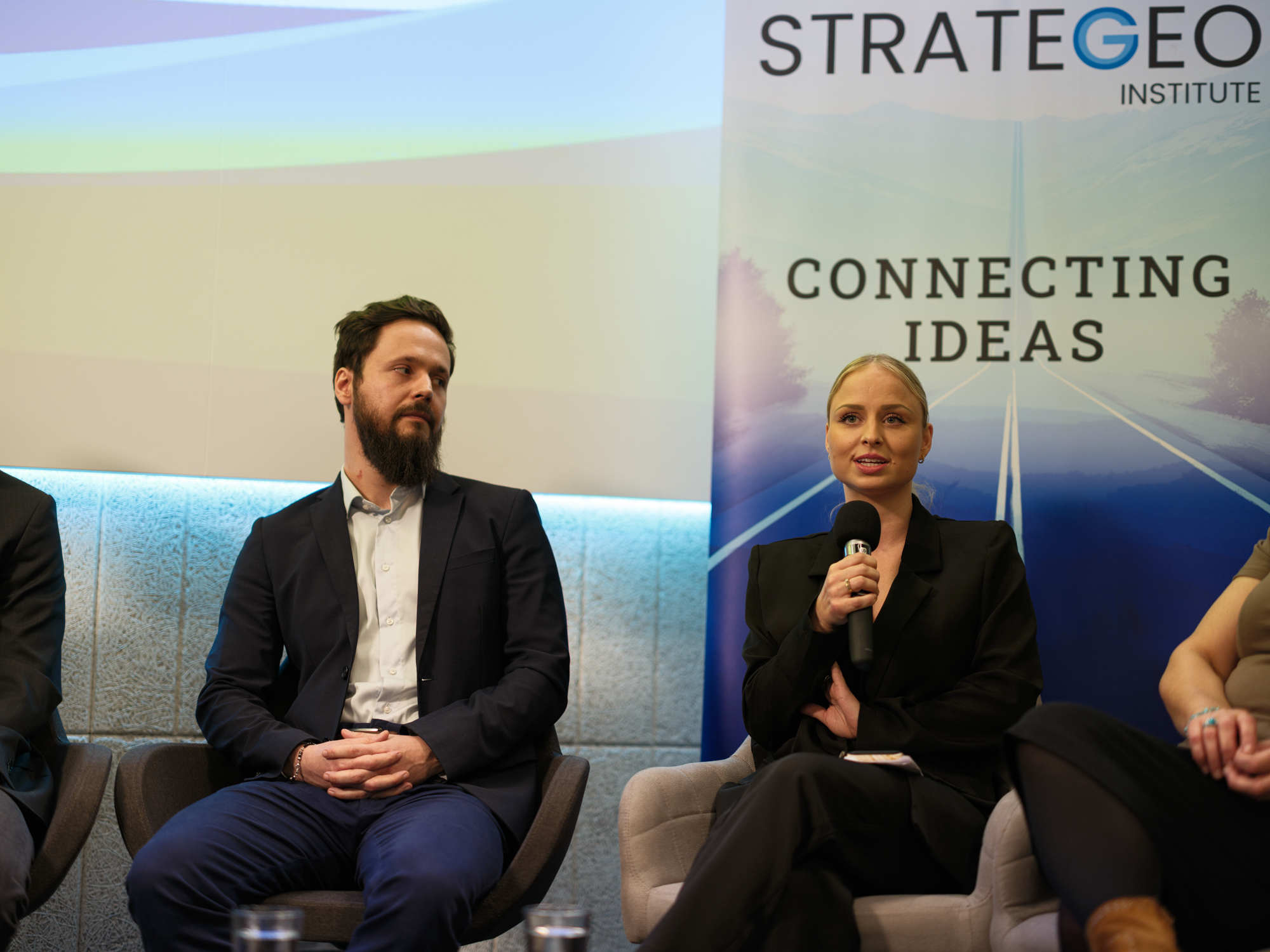
The project of the independent think tank Strategeo Institute aims to create a platform for open discussion about the future of the capital city and to contribute to more competent governance of Prague ahead of the municipal elections in autumn 2026.
“Urban planning and the development of Prague have been among Strategeo Institute’s key topics since its founding. We want to cultivate public debate about the future of the metropolis and bring forward concrete, rational proposals for effective urban planning and governance. Housing affordability is a crucial issue for residents of the capital, one that affects all aspects of its future development,” said Jan Macháček, founder and president of Strategeo Institute, who also moderated the debate.
First panel: Affordable housing from the perspective of economists, business, and public administration
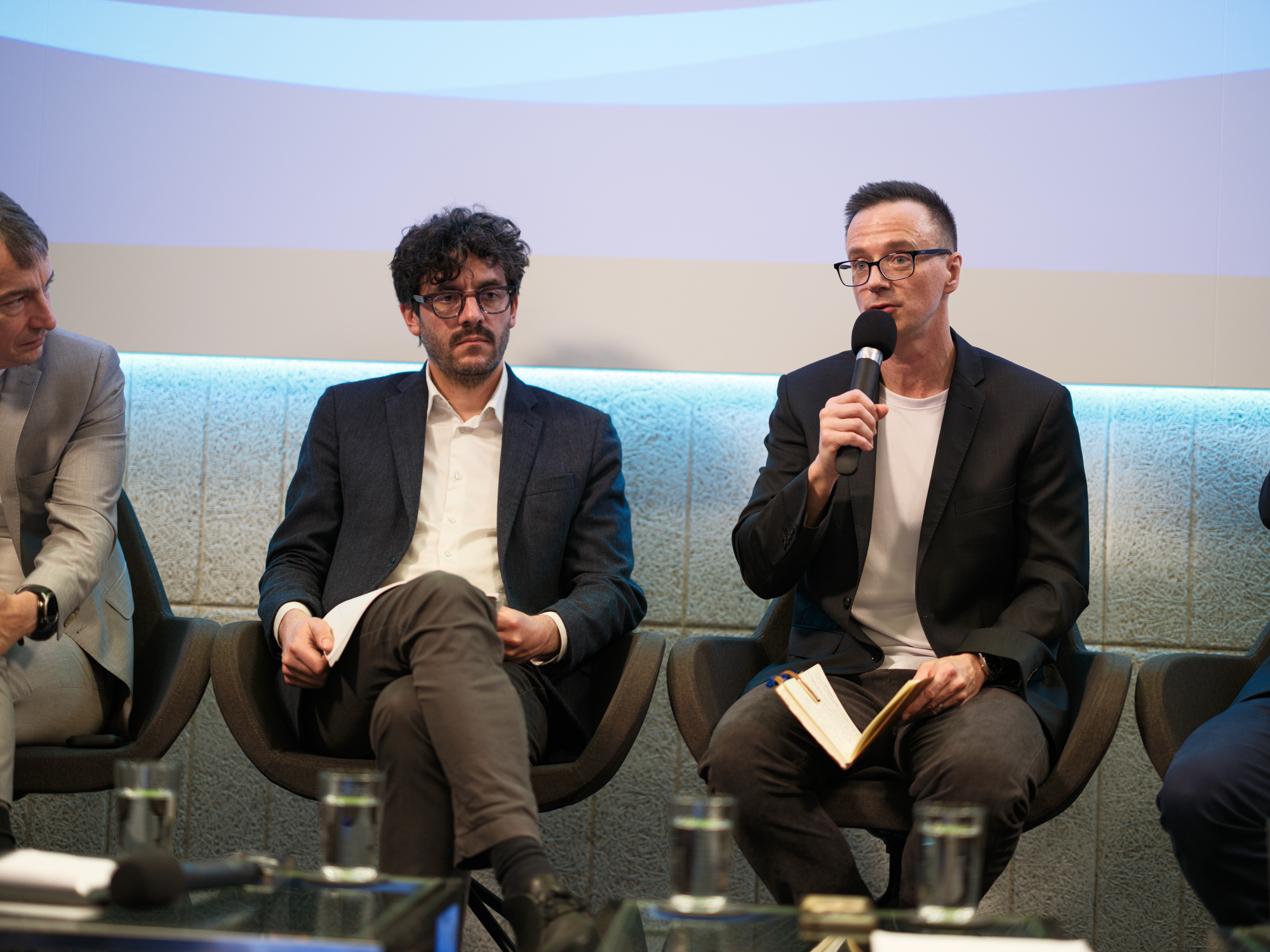
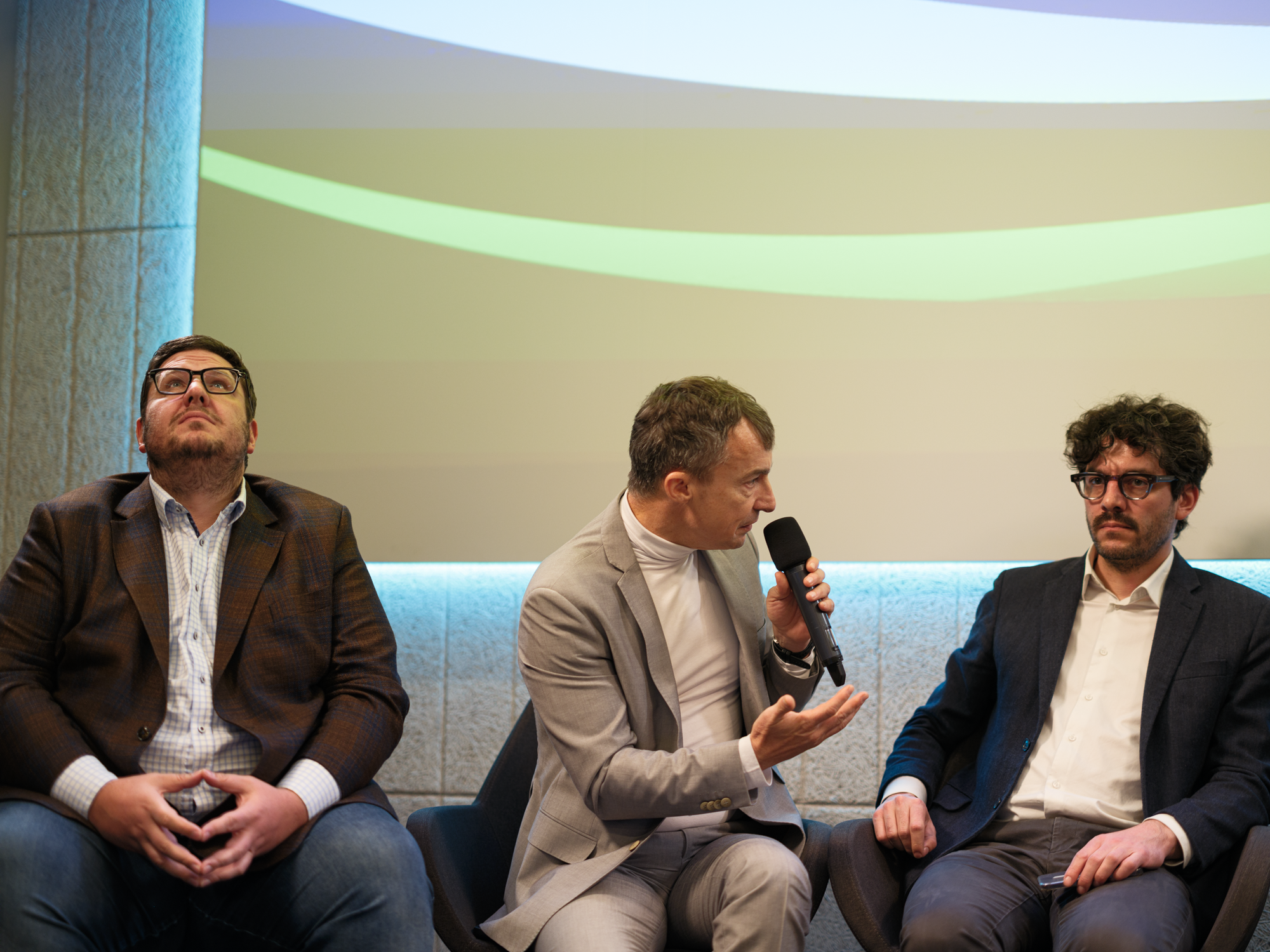
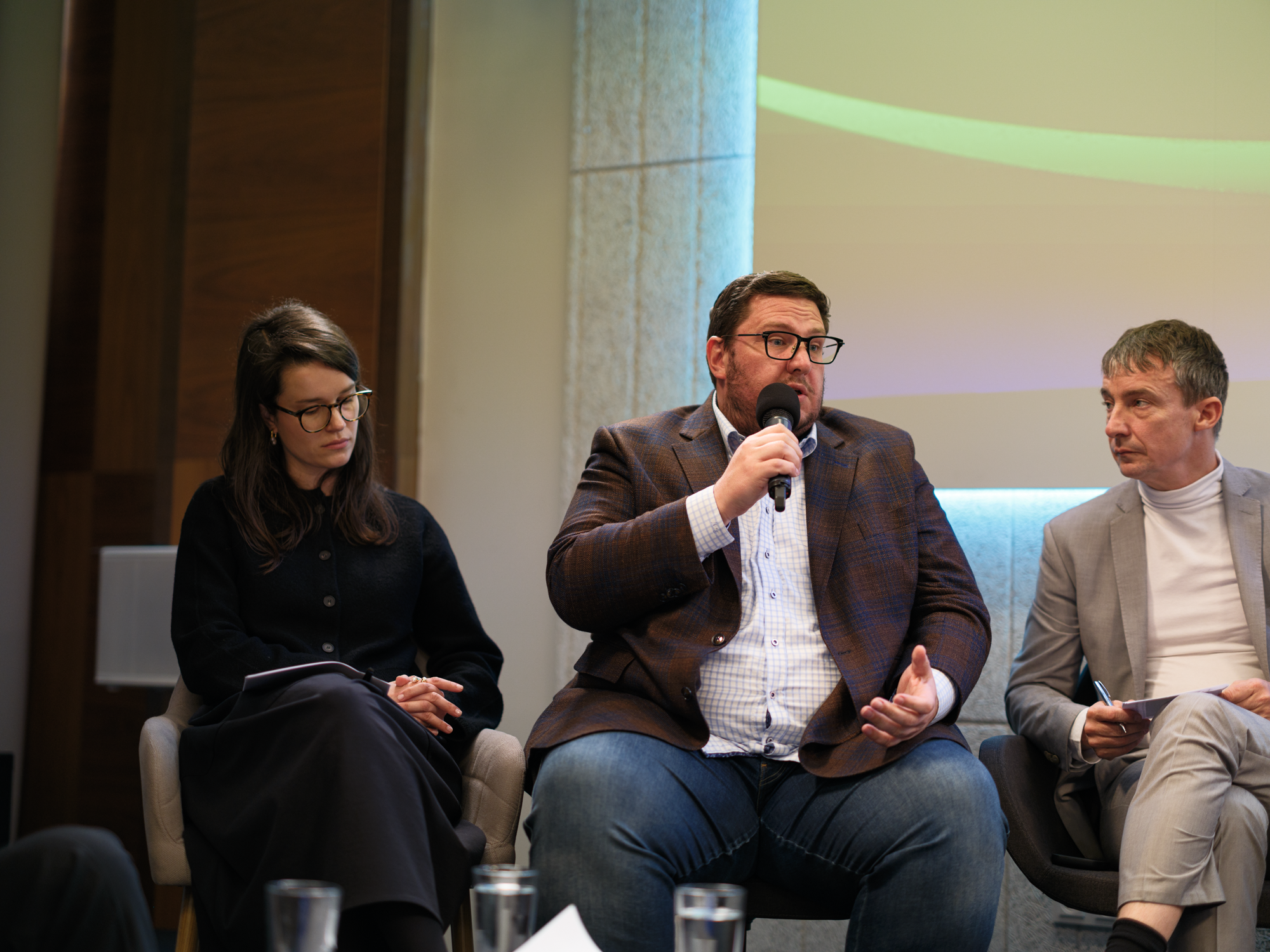
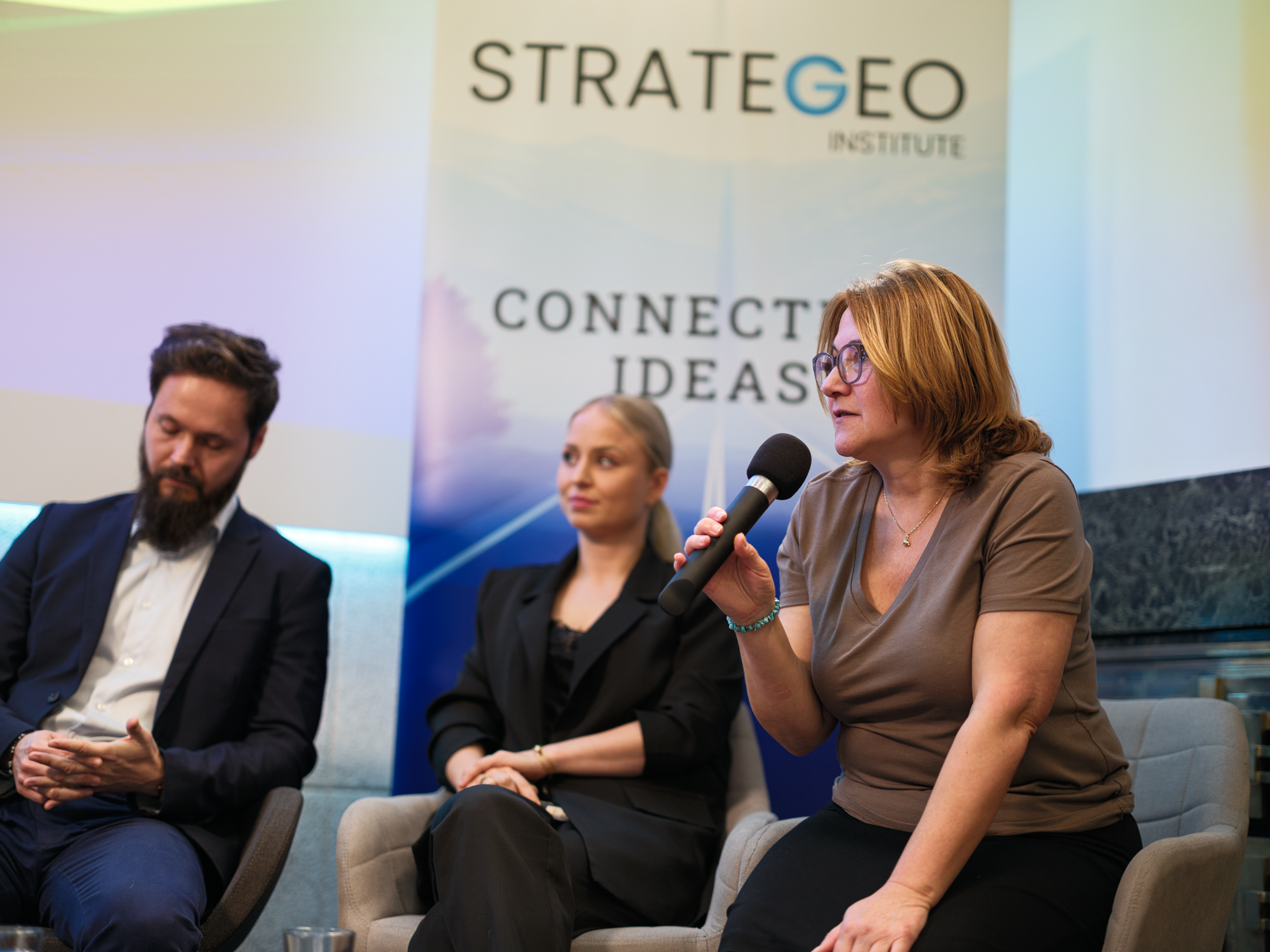
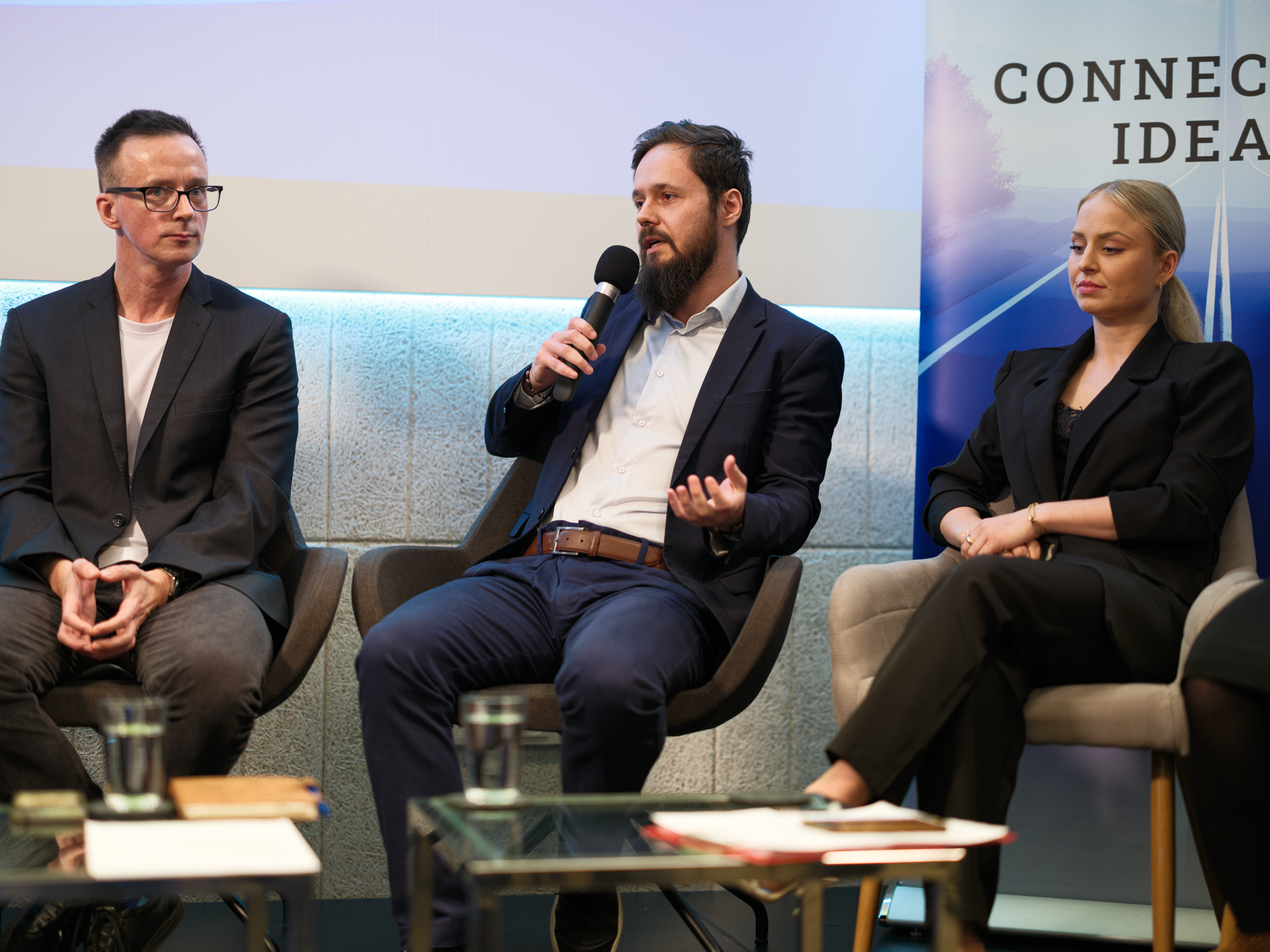
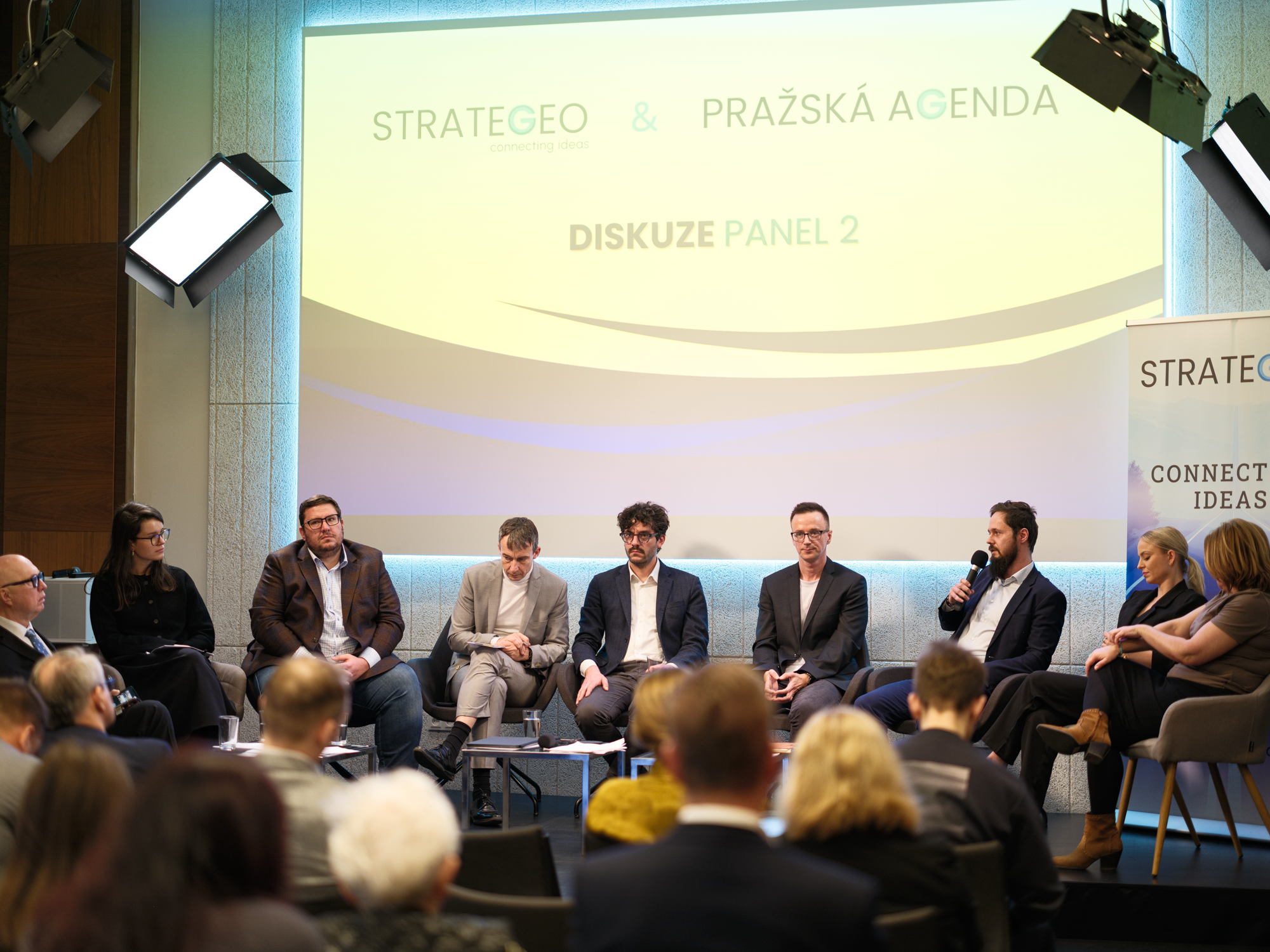
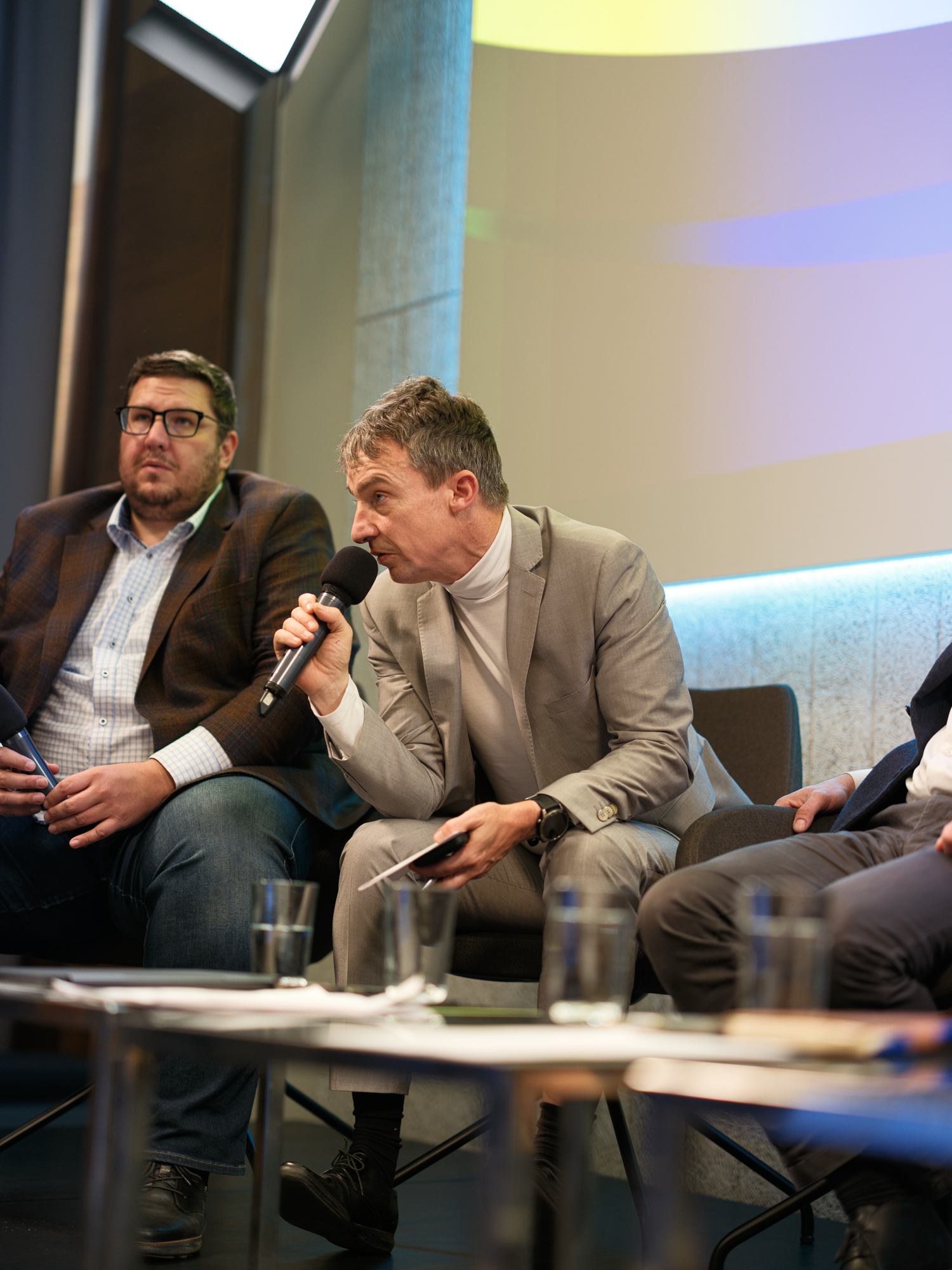
The issue of housing affordability in the capital and the causes of the current crisis were discussed in two panels by experts and Prague politicians at the ČTK PressClub.
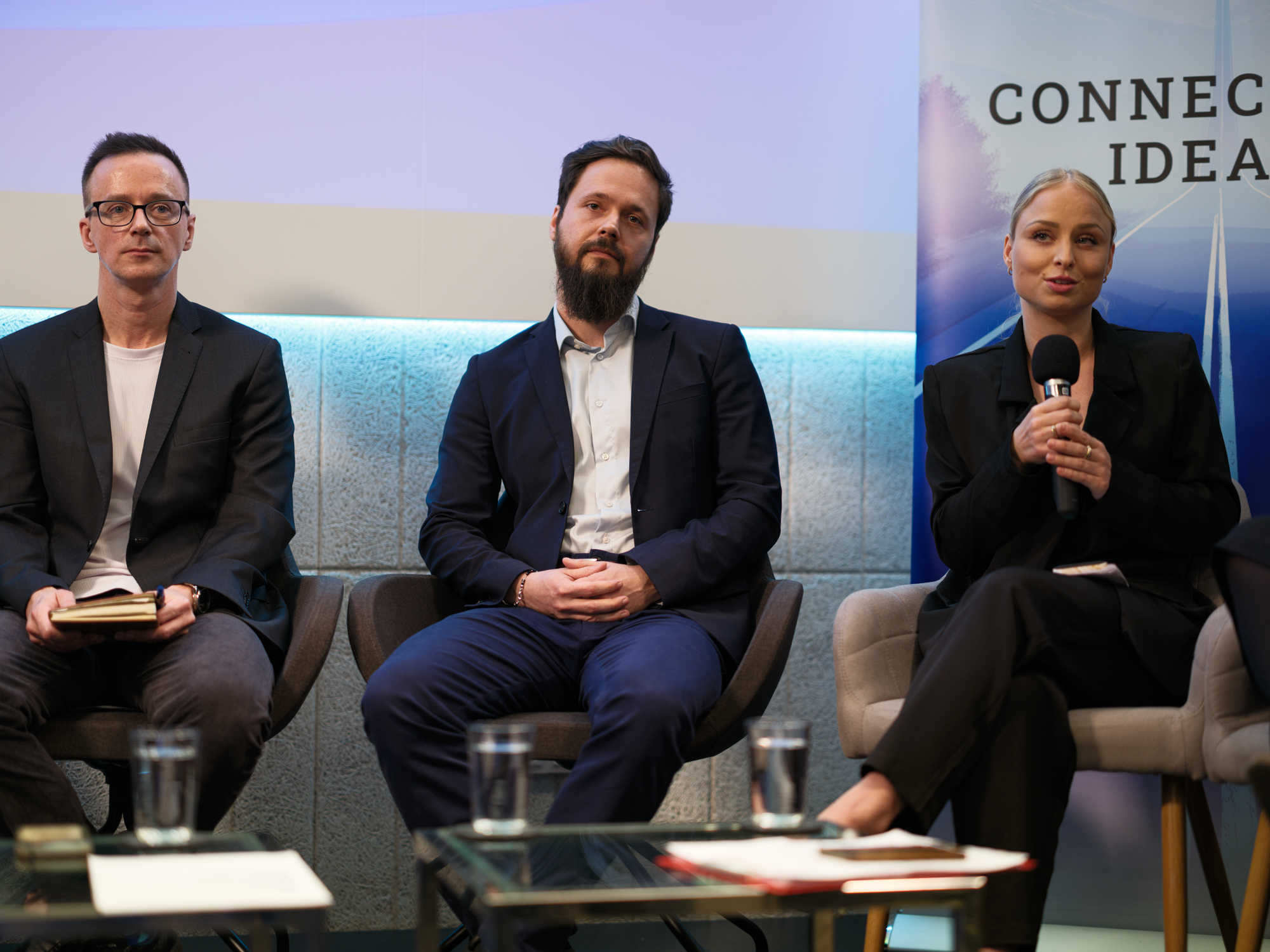
The first panel featured economists and representatives of business and public administration, specifically:
Ondřej Boháč, Director of IPR
Petr Dufek, Chief Economist at CREDITAS
Jan Fidler, developer at SEPRE
Hana Landová, Government Commissioner for the Implementation of Building Law
Miroslav Zámečník, economist and chief advisor to the Czech Banking Association
They agreed that the main problem is the long-term deficit in new construction, largely caused by excessive regulation—primarily on the part of the state. According to them, there are multiple underlying causes.
“Due to the current system of tax revenue allocation, cities are not motivated to support construction. The state benefits financially from development projects, while municipalities bear the costs, as they must fund the necessary infrastructure themselves. New developments also place a burden on existing residents. From the perspective of a local politician, such projects are often something no one really wants. The system effectively encourages delays,” argued Ondřej Boháč, Director of IPR.
“The political sphere has not yet fully absorbed the fact that housing affordability is closely linked to the cost of money. Residential housing depends on mortgage rates—the lower they are, the greater the upward pressure on final prices. Any attempt to artificially reduce mortgage rates will worsen the situation. We should be cautious about well-intentioned interventions. What is needed is support for the supply side,” said Miroslav Zámečník.
“Eight to ten years ago, elections were being won by political parties with activist agendas opposing almost any development. Today, all parties acknowledge the need to build—that’s a shift and proof of how serious the situation has become. For us, the key is the adoption of the Metropolitan Plan, which would at least allow the system to function and gradually unblock the permitting process,” said Jan Fiedler.
“I am pessimistic. Even if construction processes are unblocked, a completely new bureaucratic system will soon emerge—decarbonization. Its costs will run into hundreds of billions, making housing even less affordable,” added Petr Dufek.
Second panel: Prague politicians vs. the reality of housing in Prague
The second panel featured representatives of Prague’s political scene, specifically:
Eliška Čepová (STAN), local politician in Prague 10
Radomír Nepil (ANO), Deputy Mayor of Prague 8
Tomáš Portlík (ODS), Mayor of Prague 9 and First Vice-Chairman of ODS
Adam Scheinherr (Praha Sobě), Deputy Mayor of Prague
Adam Zábranský (Pirates), Prague City Councillor
Vladimír Vokál, journalist and commentator
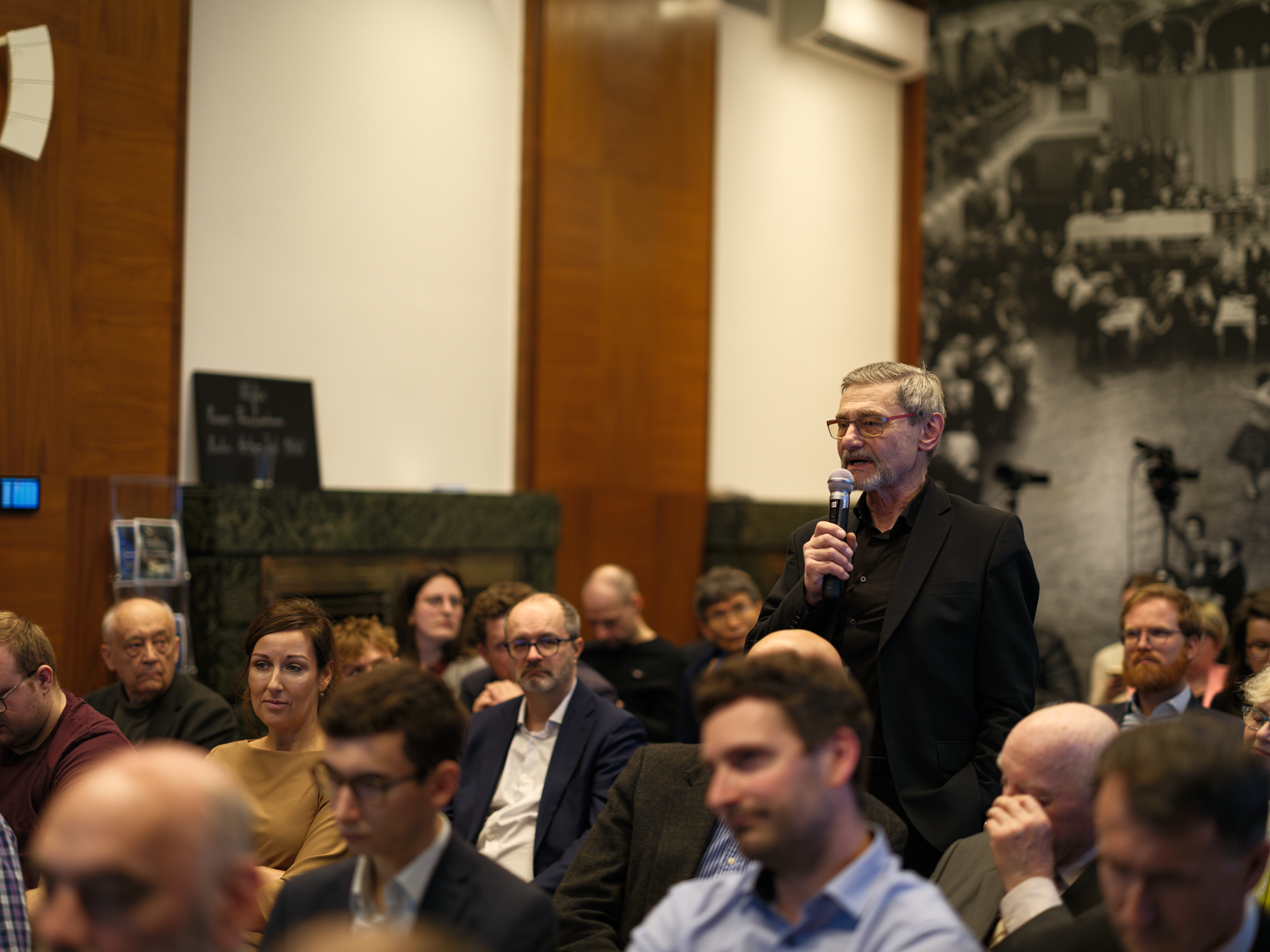
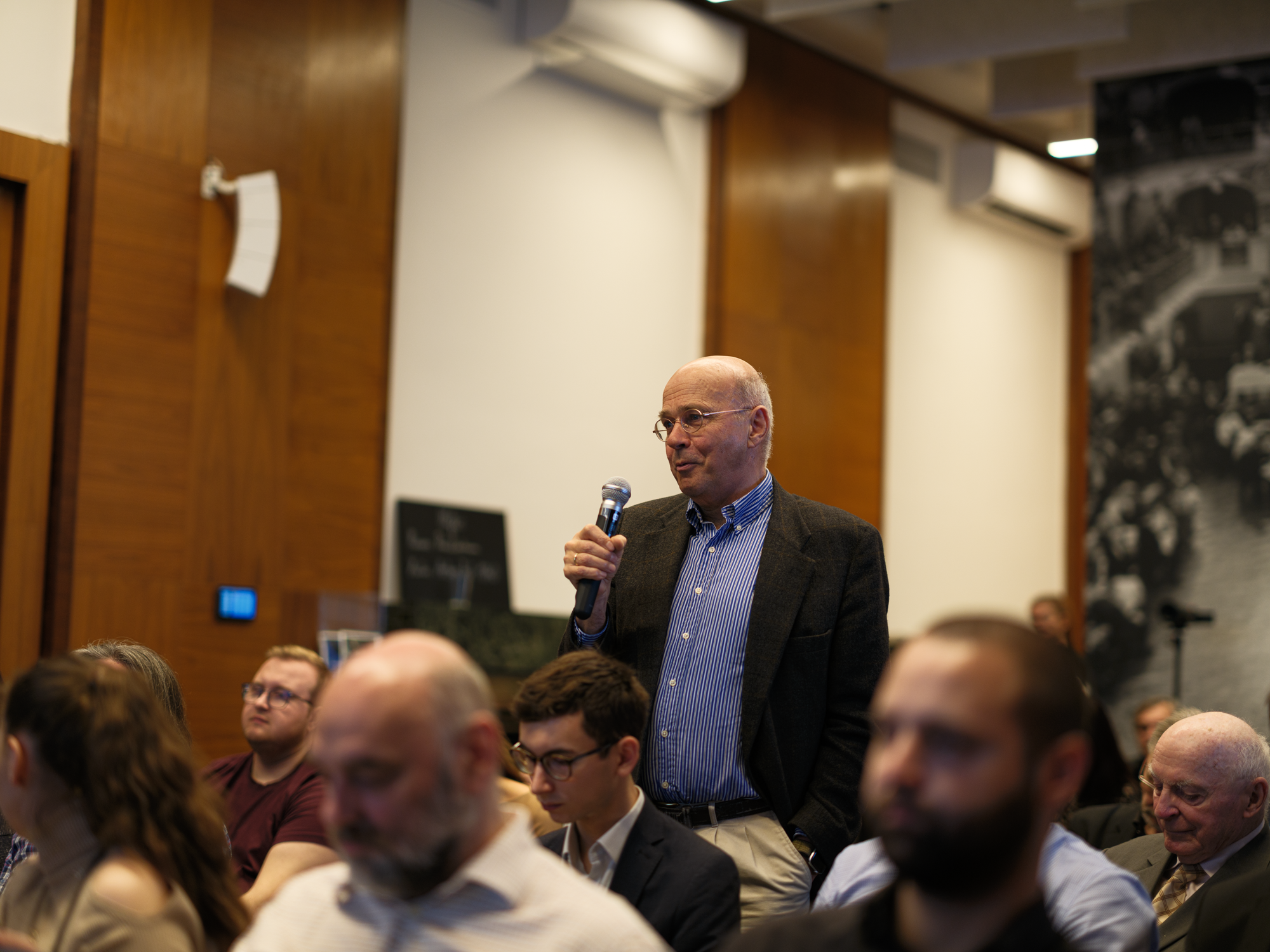
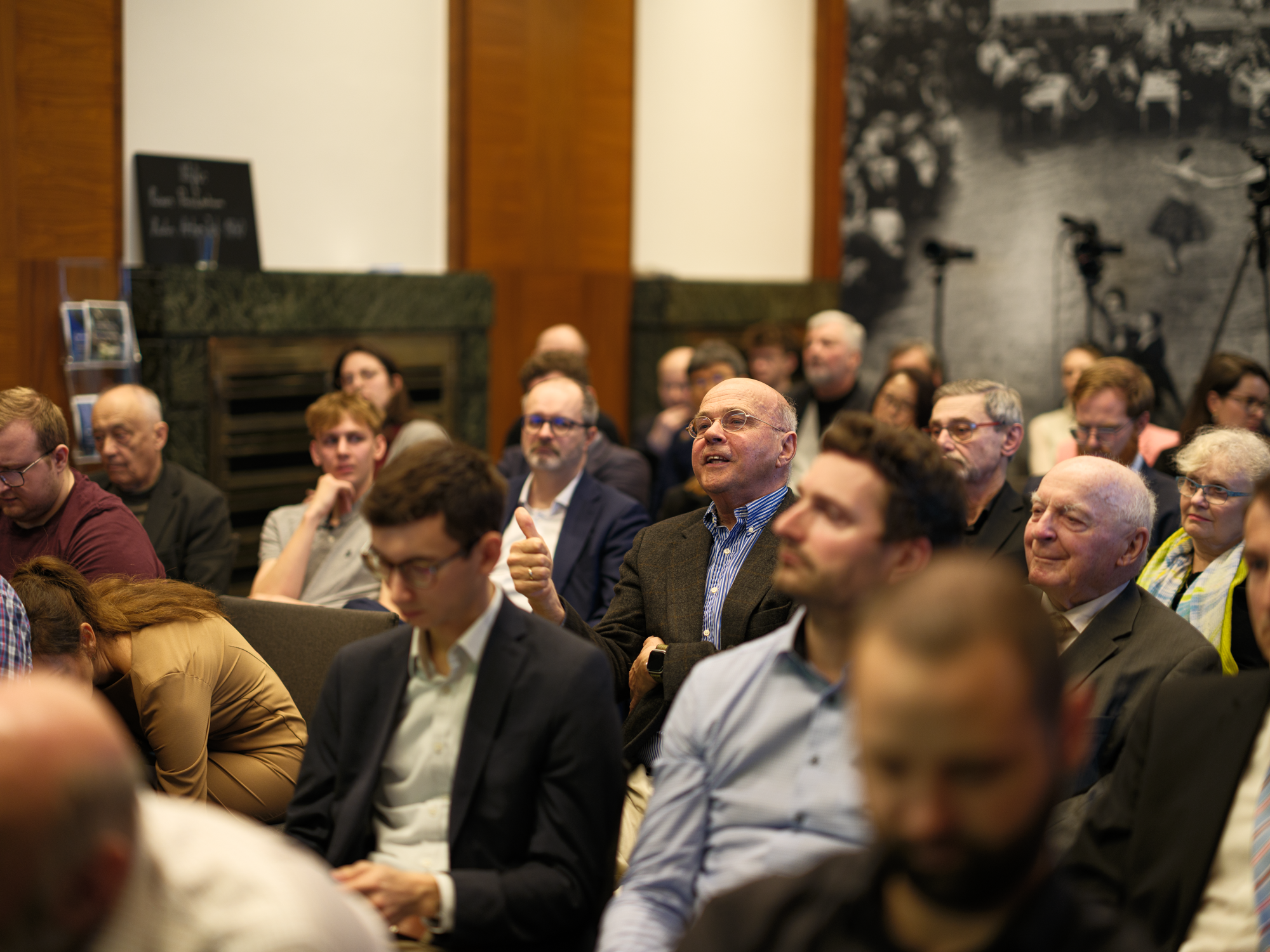
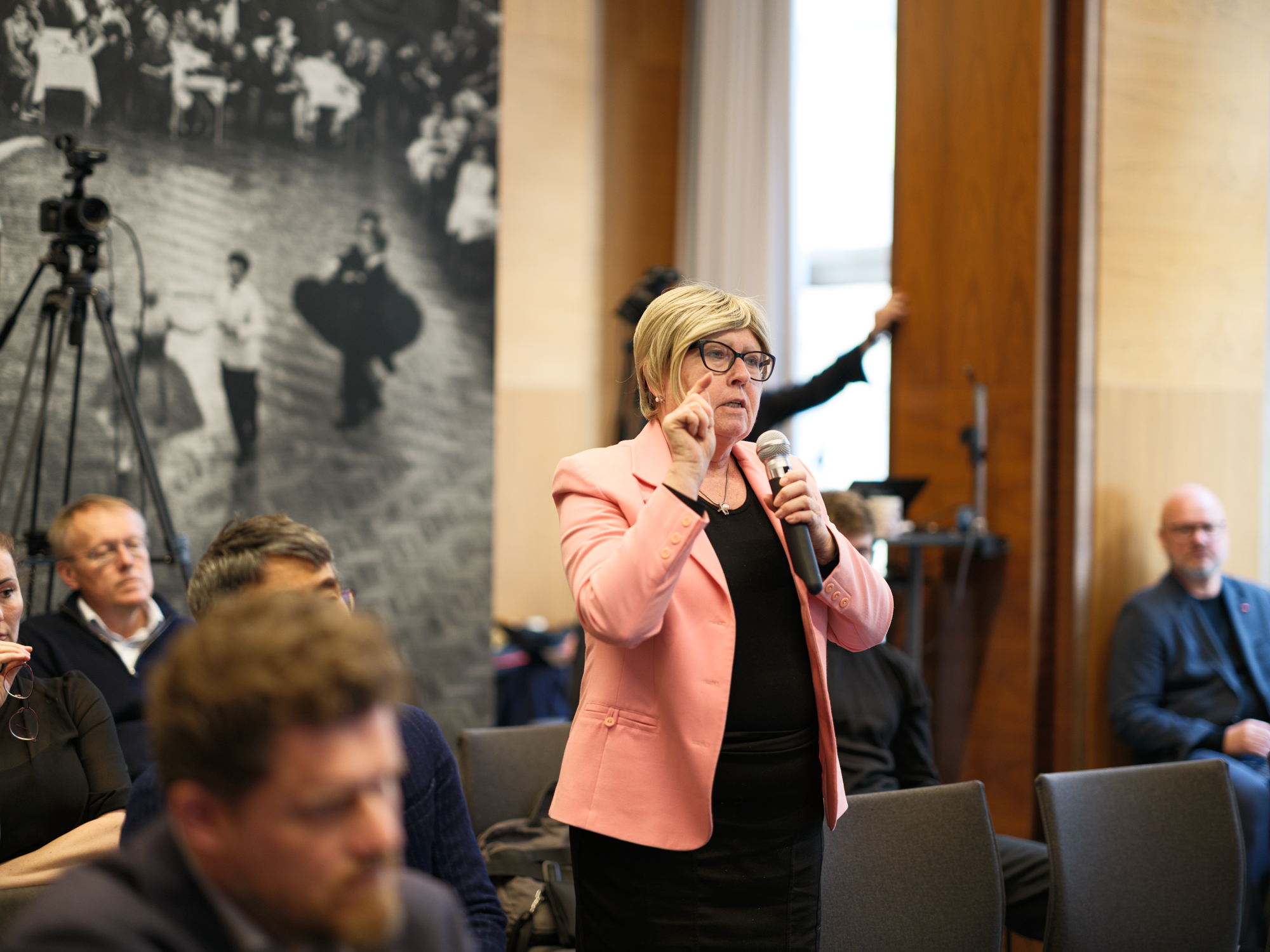
They were joined by members of the public, who confronted them with specific problems stemming from the housing crisis.
The discussion largely focused on the city’s inability to build its own housing stock. According to IPR, only around 60 municipal apartments are built annually. Campaign promises have also remained unfulfilled—for example, the Pirates’ leader Zdeněk Hřib had spoken about building up to 80,000 apartments. According to the participants, restrictive zoning plans and the city’s inability to effectively use its financial reserves are also to blame. The debate also addressed whether the city should develop its own housing projects or cooperate with the private sector.
“There is no miracle solution. I place great hopes in the adoption of the new Metropolitan Plan. The biggest problems with construction in Prague stem from the fact that almost every project requires a zoning change, which can take up to ten years,” said Adam Scheinherr (Praha Sobě).
“The Metropolitan Plan, along with a reform of spatial planning, is essential. It is necessary for these competencies to be in the hands of municipalities rather than the state administration, which is currently responsible for the excessive delays. I also support the idea that the city should actively build its own housing. This represents a shift away from the political and social consensus that has prevailed since the 1990s, when housing was instead privatized,” said Adam Zábranský (Pirates).
“The city should prepare a clear framework for development on its land—define what it needs, how many apartments, schools, and public amenities—but it should not engage in large-scale economic activities. It should leave the rest to investors. If the city starts building entire districts, it won’t end well. In short, it should build housing for its own needs, for key professions and social cases, but not to replace the market,” countered Radomír Nepil (ANO).
“I rely on the new Metropolitan Plan. I rely on a unified interpretation of the new Building Act, which we must establish quickly. And I rely on a liberal approach, where we do not impose more and more conditions on construction. We agree that solving the housing crisis and building infrastructure and public amenities is in the public interest. The question is whether we can achieve this if permitting processes take five years,” concluded Tomáš Portlík (ODS).
Survey of Prague residents’ opinions
An exclusive STEM/MARK survey also served as a basis for the debate. It shows, for example, that half of Prague residents rate the housing situation as a failing grade, with an average grade of “D” (on a school grading scale).
Respondents most frequently identified high prices as the main problem—particularly rent levels, which they often consider not only high but outright absurd. Most respondents see the construction of municipal housing as a solution, but at the same time consider developer projects carried out directly by the city—for example through a municipal development company—to be risky.
Further activities of the Prague Agenda initiative
In addition to regular expert debates, the Prague Agenda initiative also produces public opinion research, podcasts, and policy recommendations for the city. Strategeo expects these outputs to serve as input for political parties running in municipal elections and to act as a benchmark for evaluating their programs and proposals in terms of expertise and competence.
“Our goal is to organize at least one debate per month and to connect experts with representatives of public administration, business, academia, and the media,” said Veselin Vačkov, Director of Strategeo Institute.
Outputs from the debates and research results are published on the Strategeo website (www.strategeo.cz) and on its social media channels. The project also includes a podcast series in which Jan Macháček invites guests from expert, business, political, and cultural circles connected to Prague.