Prague, 29 September 2026
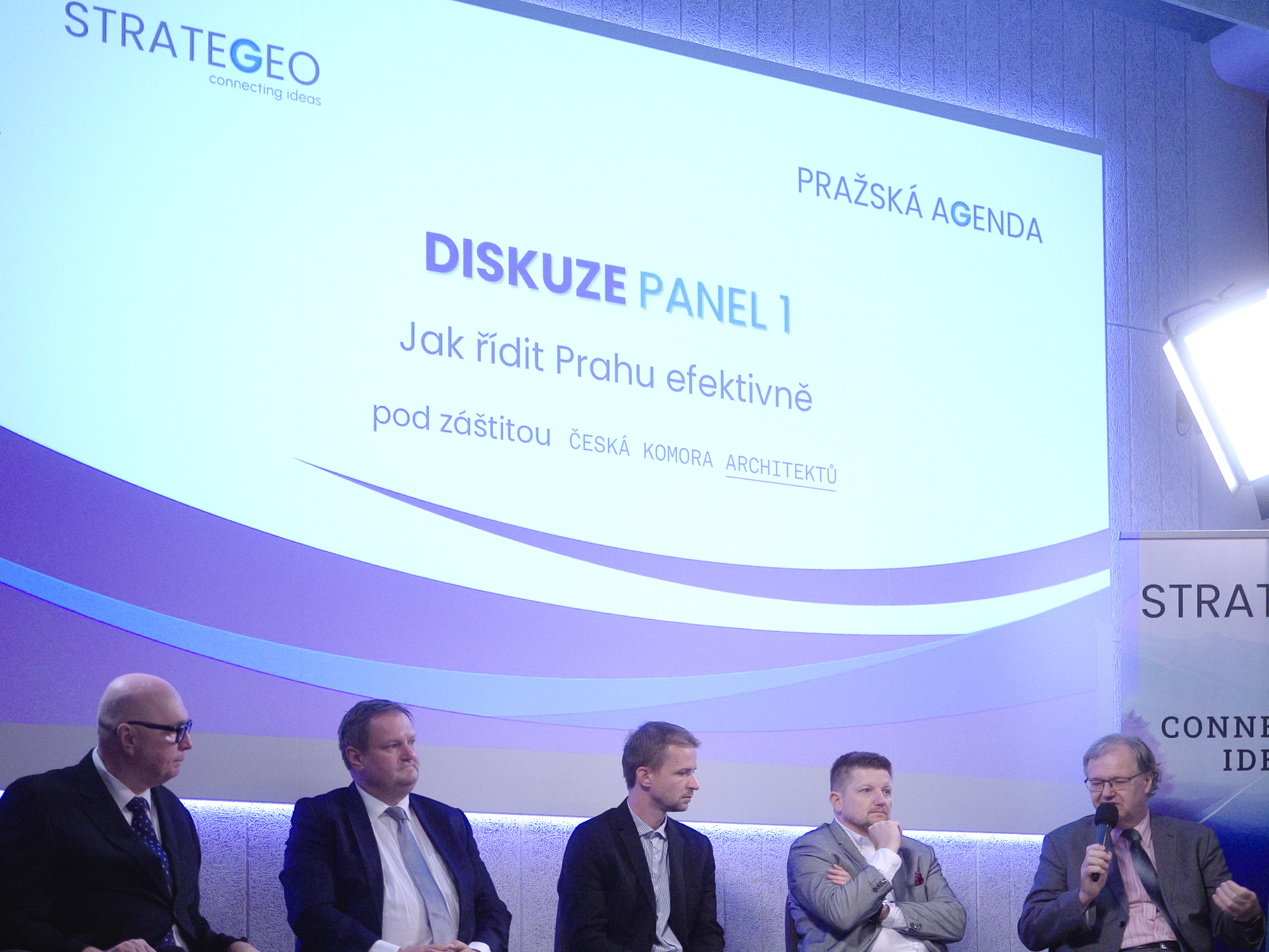
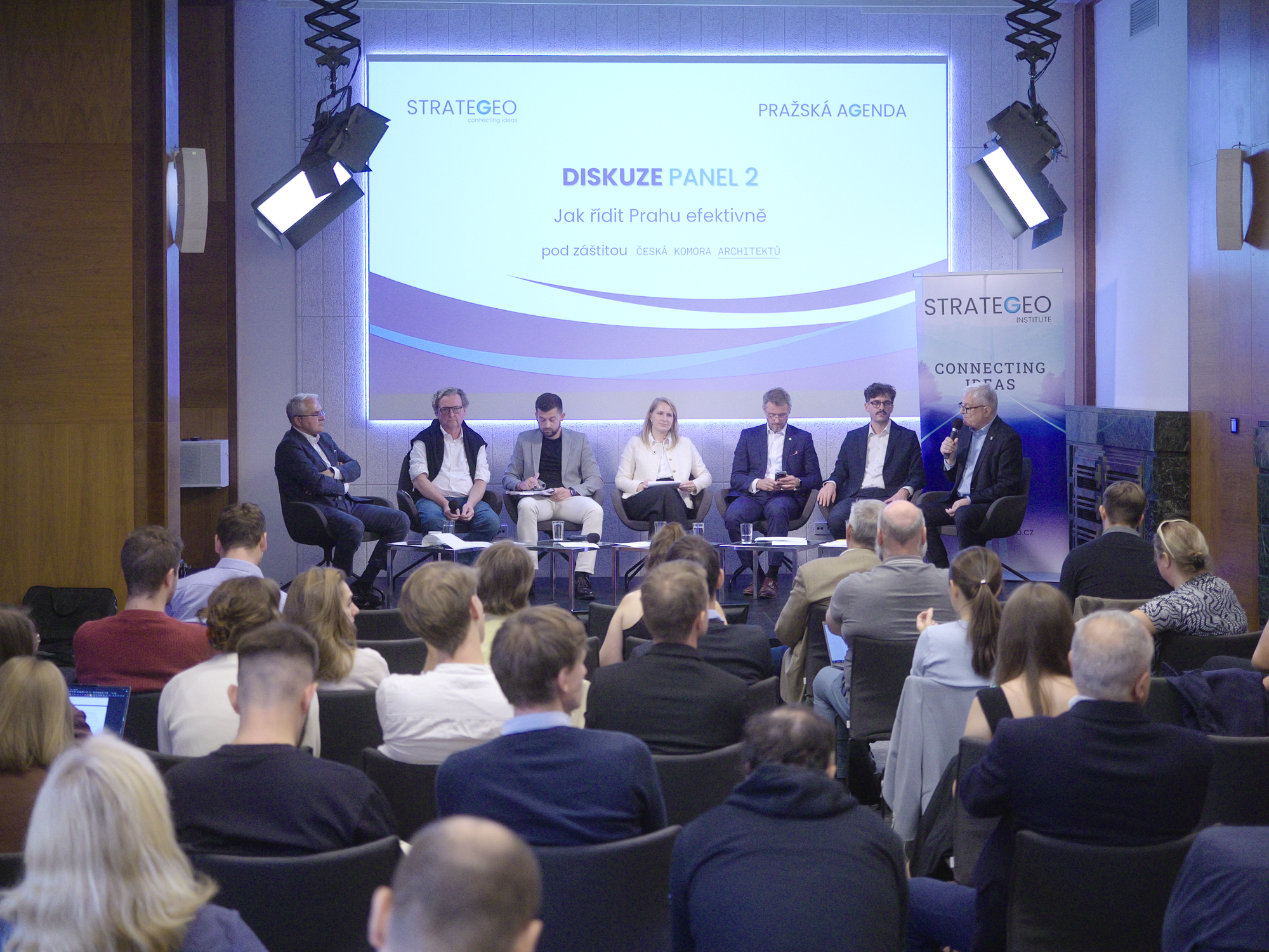
Is Prague governed well according to objective criteria? How should it manage its budget? Should it invest or save for major projects? What are its relations with the state? And should politicians sit on the boards of city-owned companies? Guests at the eighth public debate of the Pražská agenda initiative – and the last one before the October municipal elections – sought answers to these and other questions, this time under the title “How to Manage Prague Effectively.”
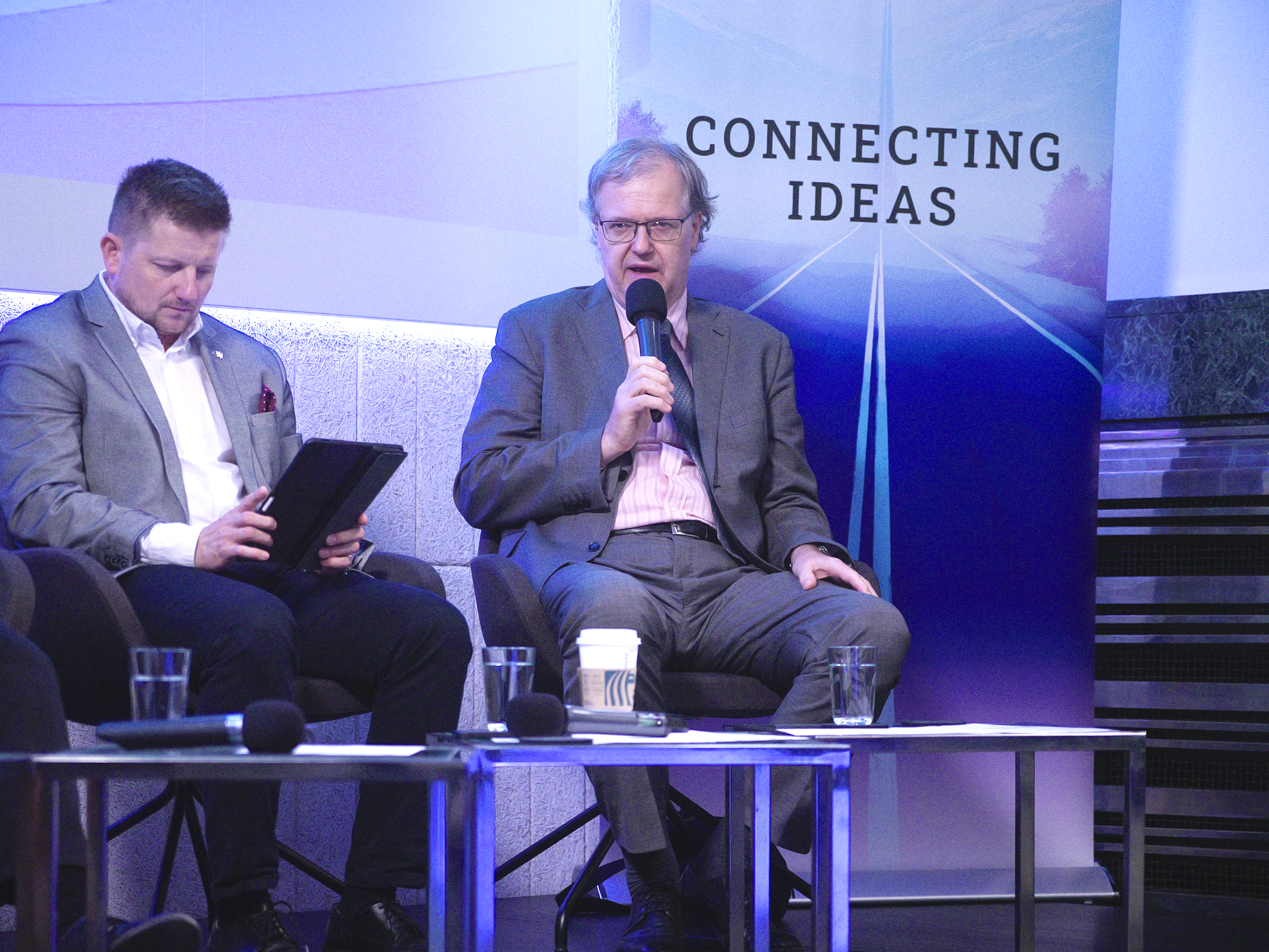
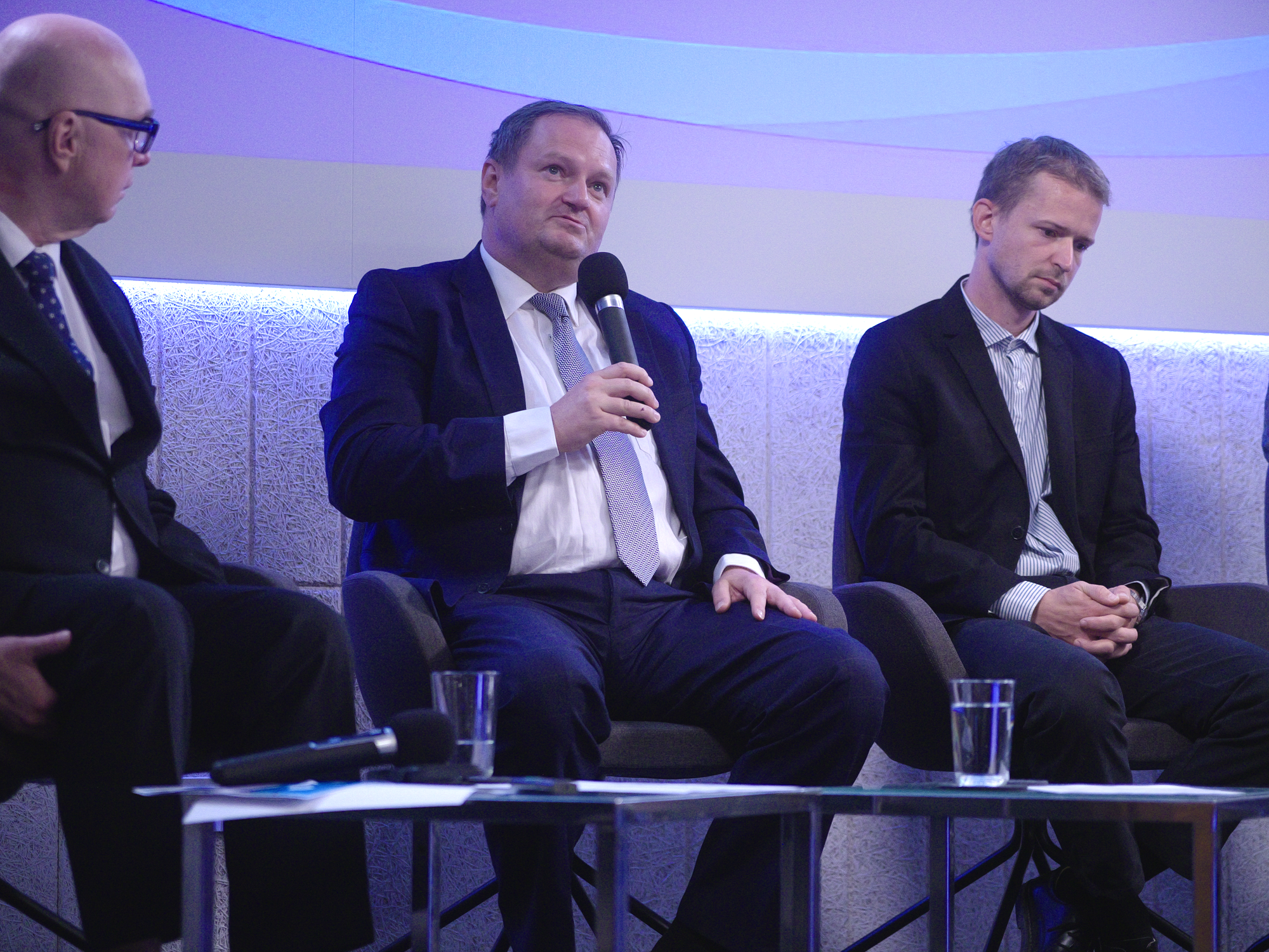
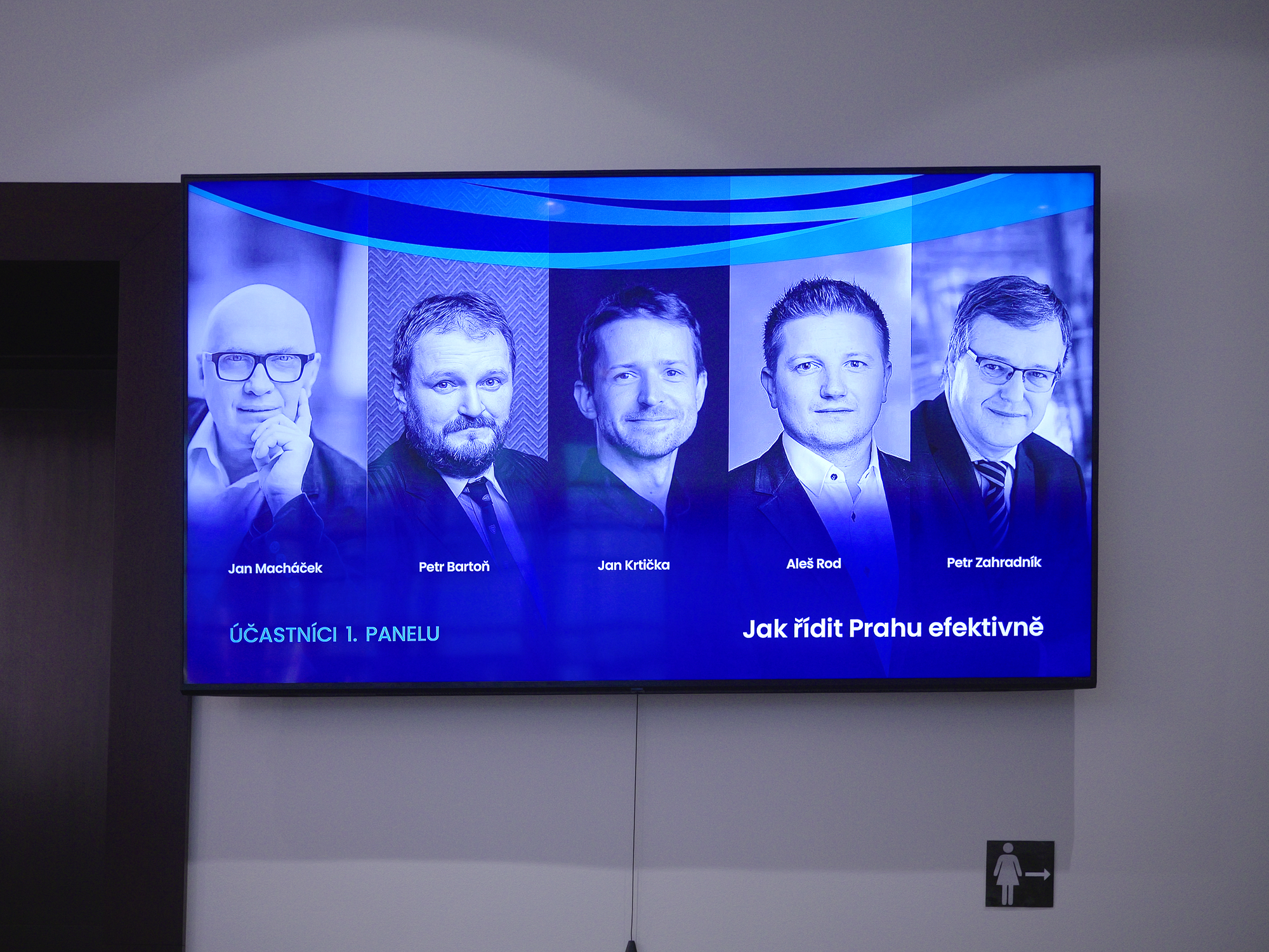
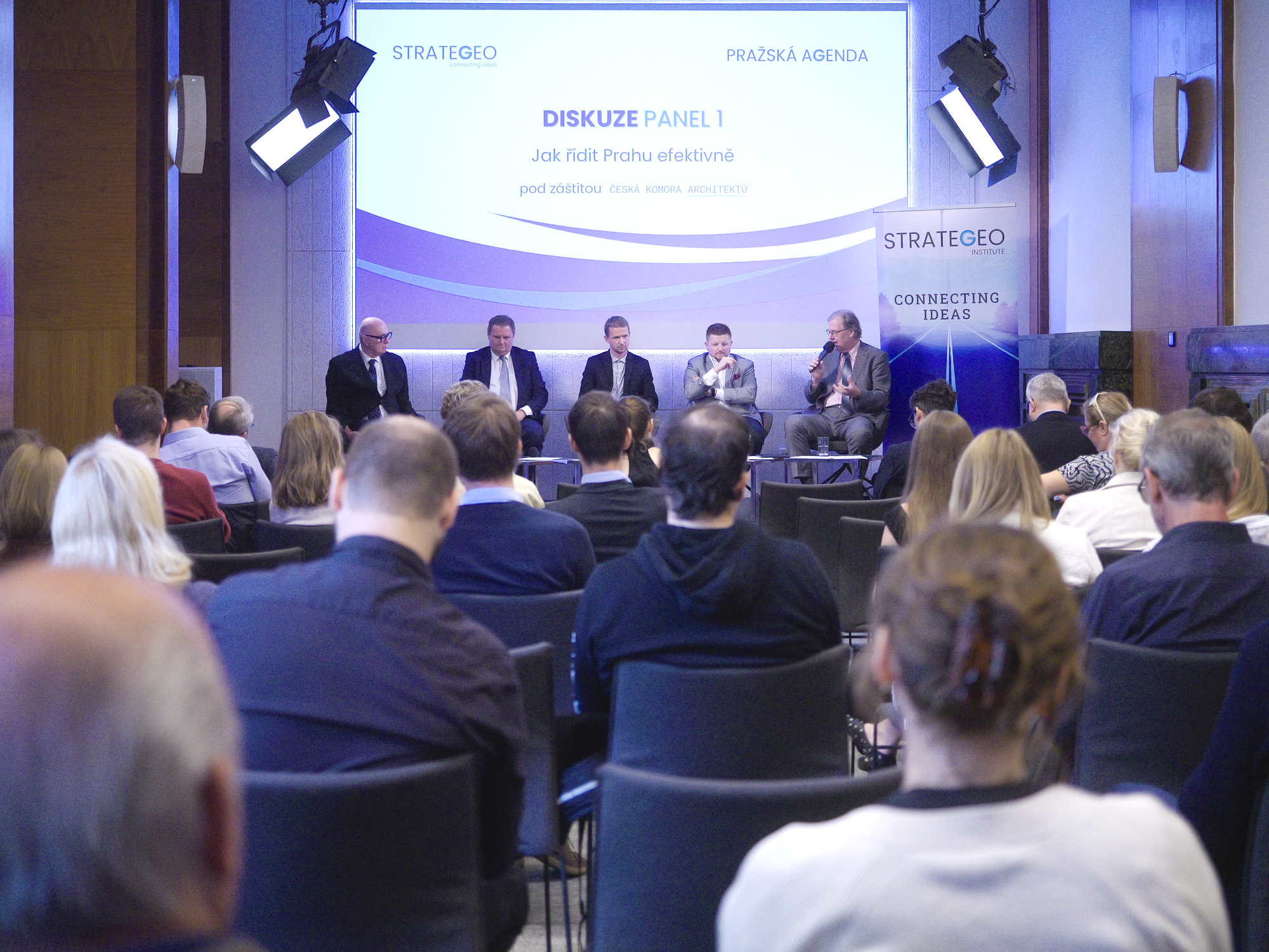
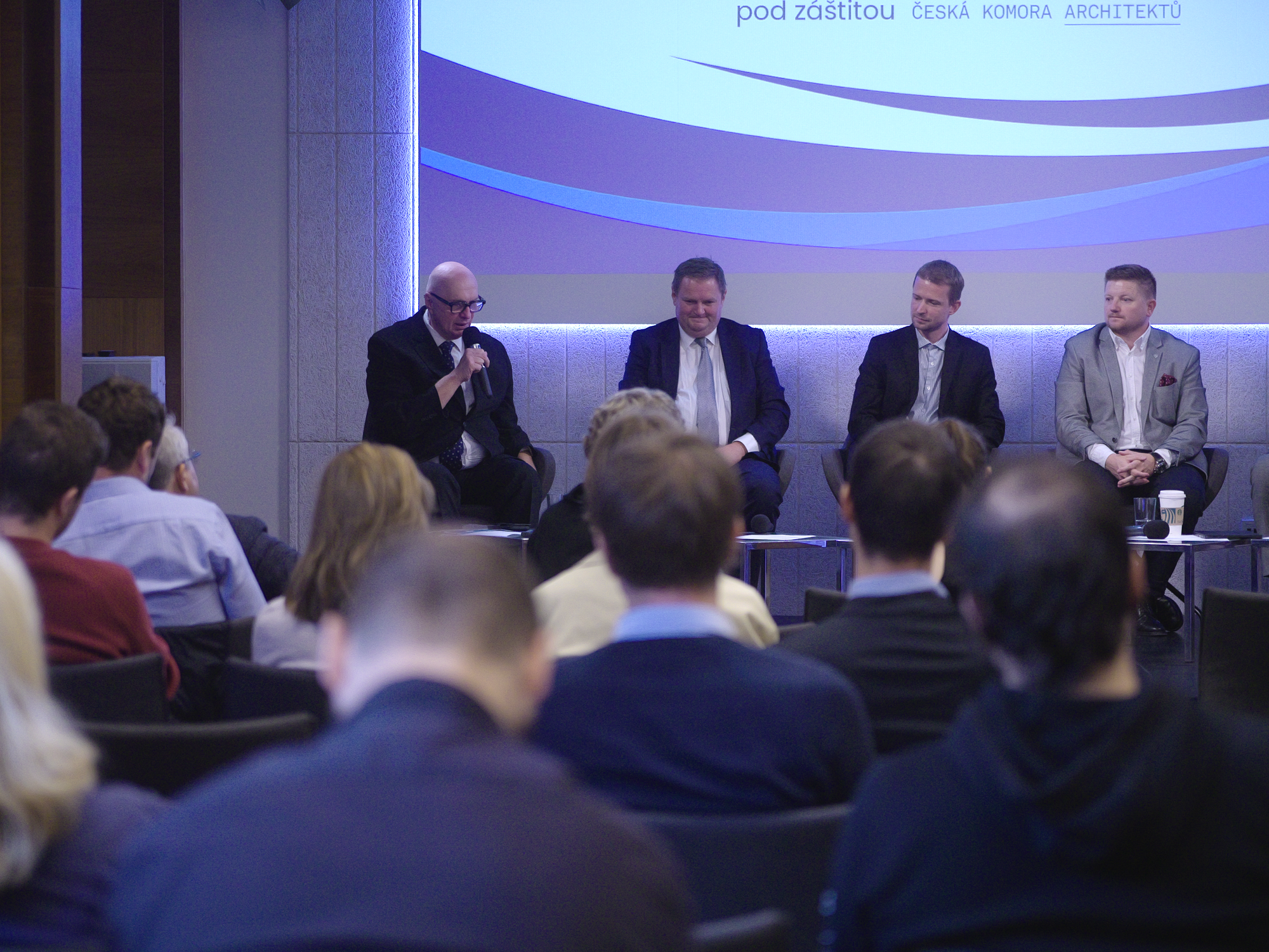
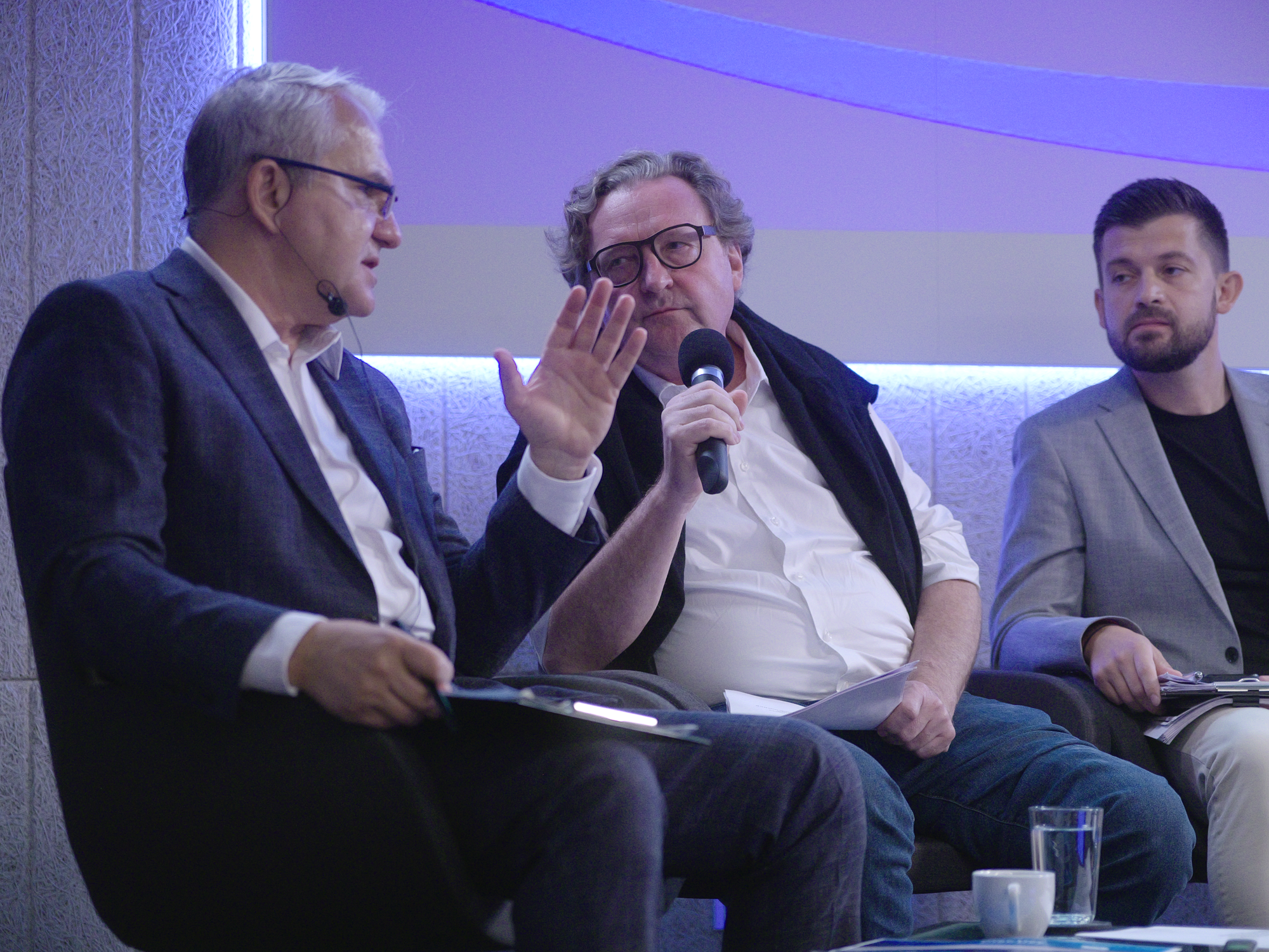
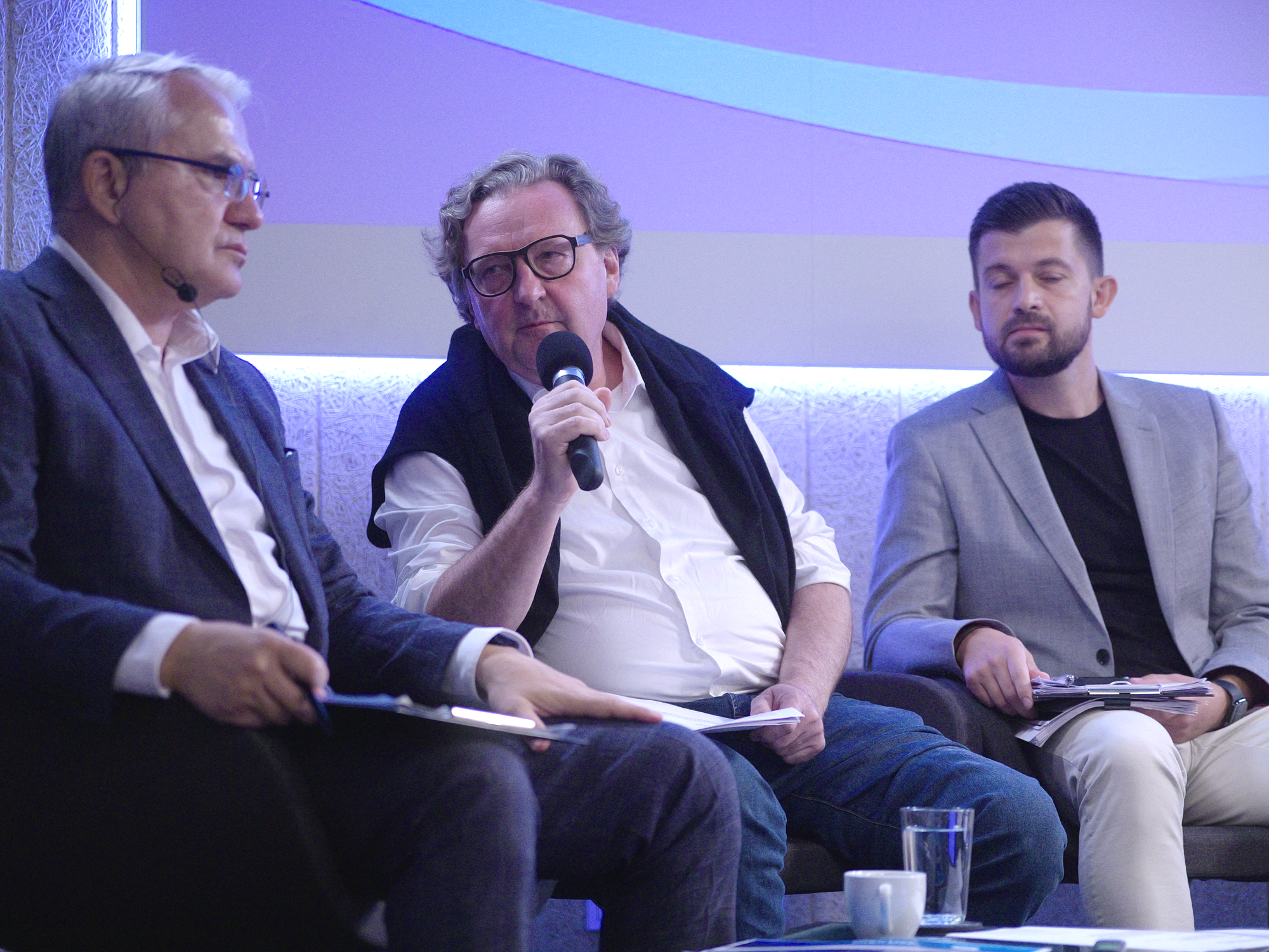
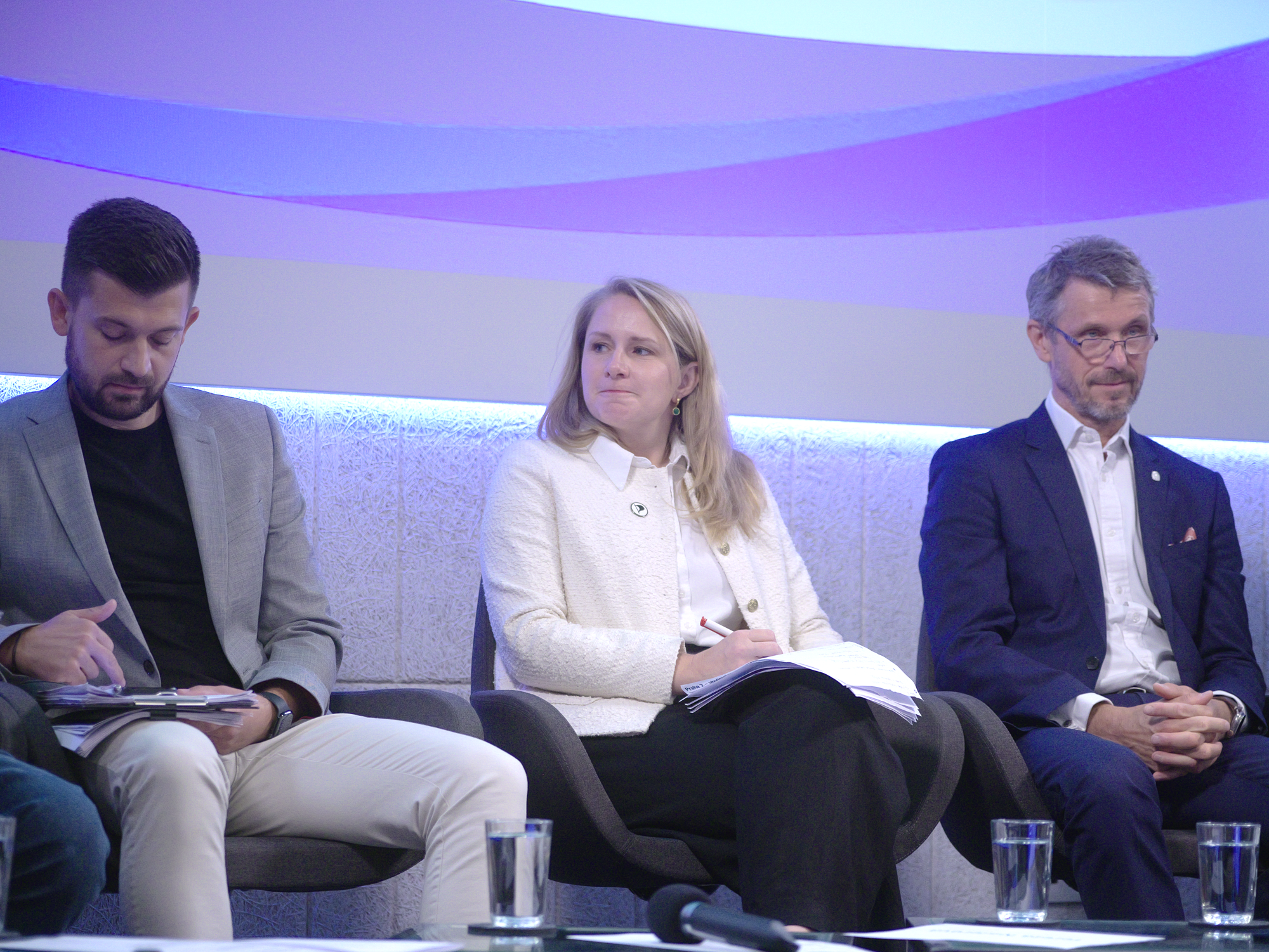
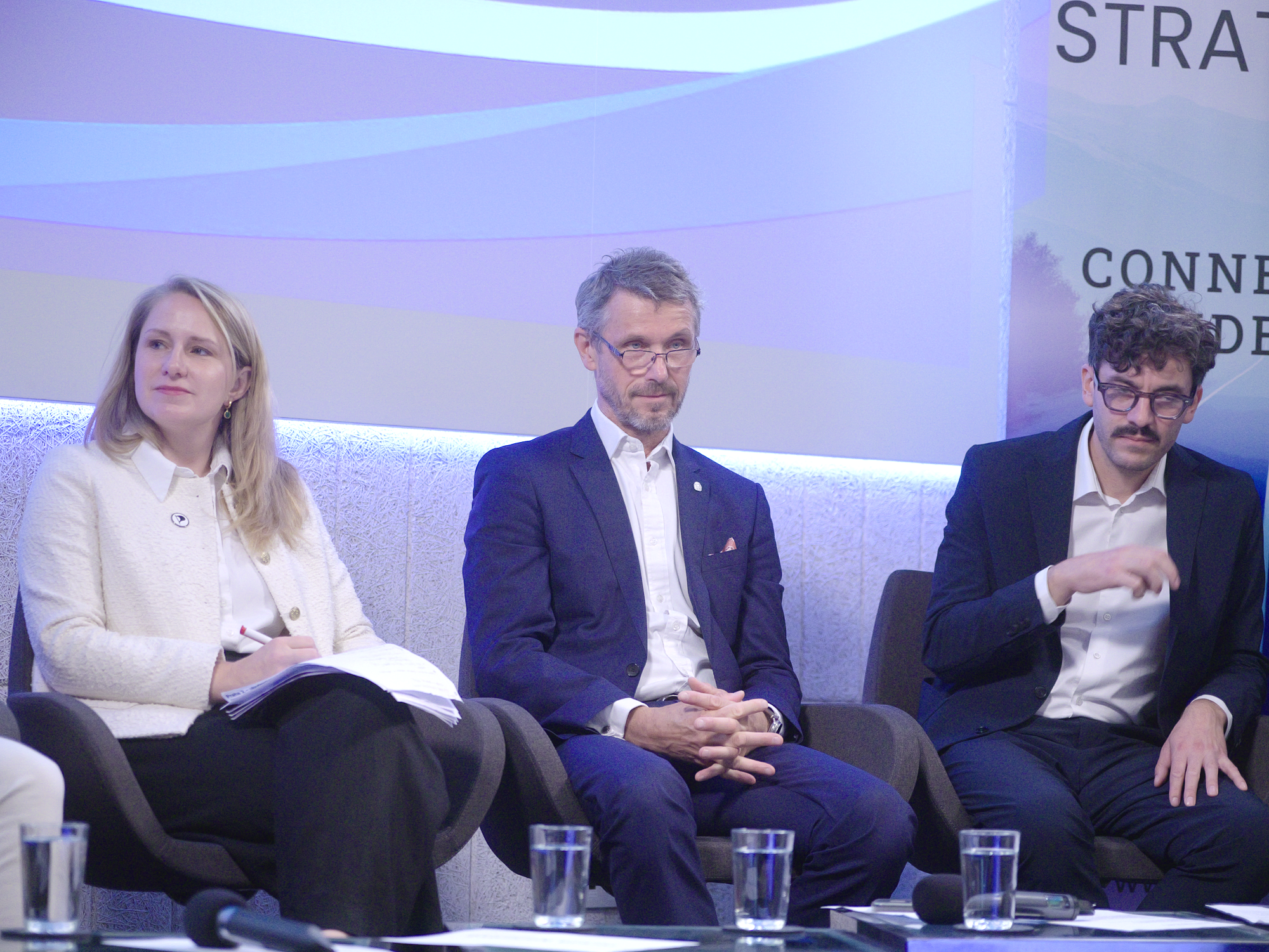
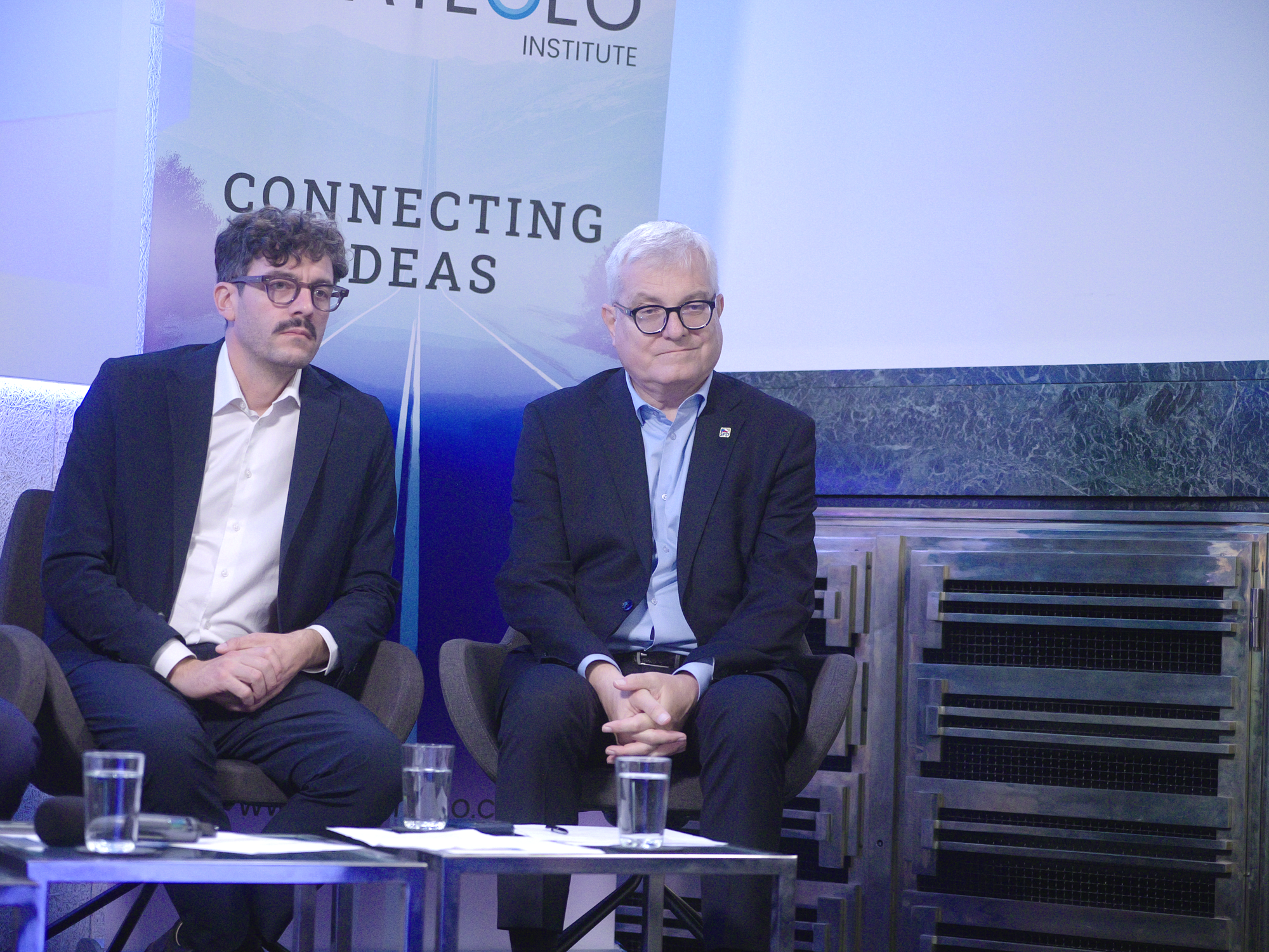
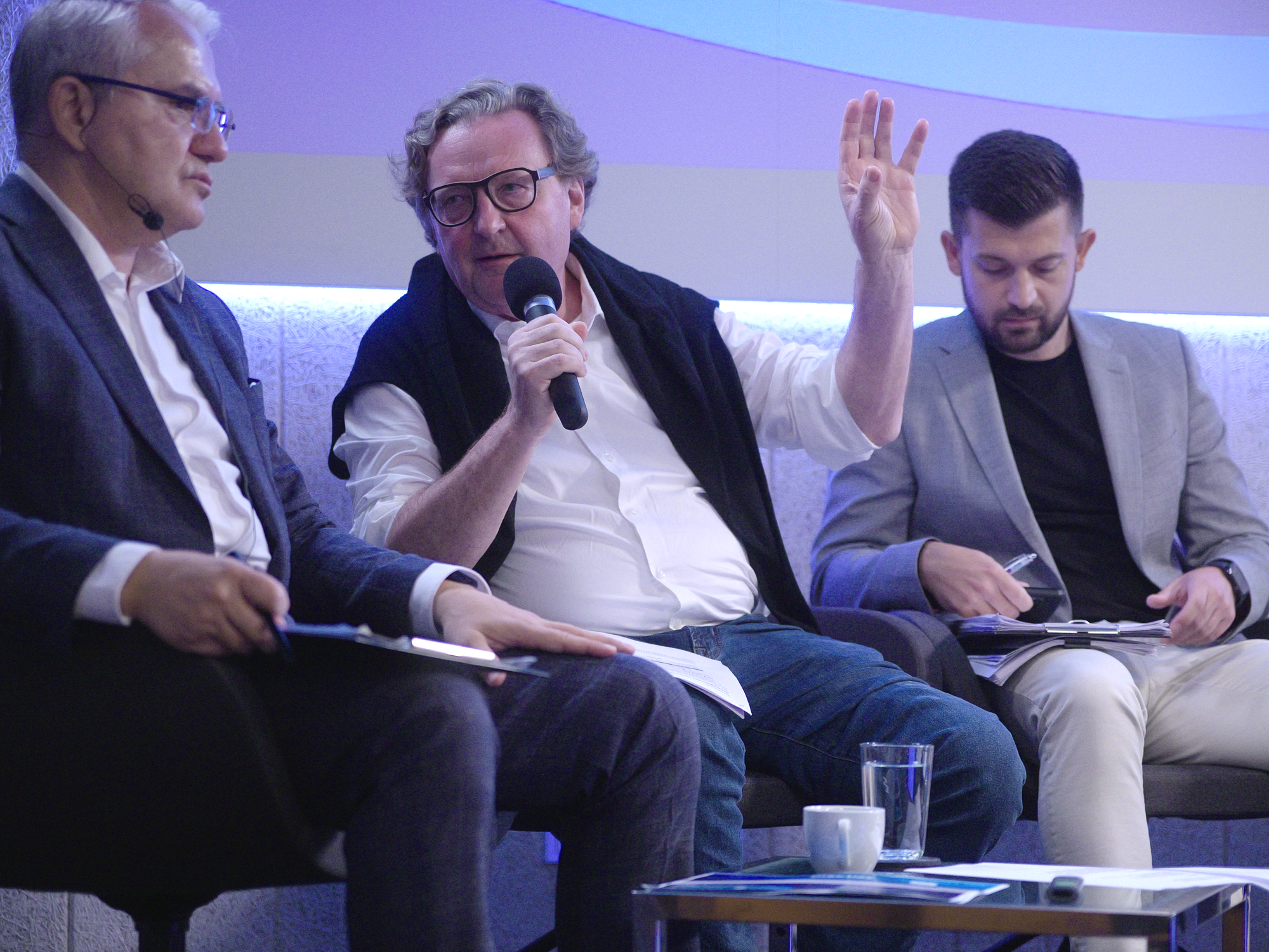
The debate was held under the auspices of the Czech Chamber of Architects (ČKA). At the PressCentre of the Czech News Agency (ČTK), guests followed two discussion panels moderated by representatives of the organizing Strategeo Institute, Jan Macháček and Veselin Vačkov. The first panel brought together experts with extensive experience in the administration and management of the capital – Petr Bartoň, Chief Economist at Natland, Jan Krtička, Head of the EKON Office at the Prague Institute of Planning and Development (IPR), Aleš Rod, Executive Director of CETA, and Petr Zahradník, economist and macroeconomic analyst.
The participants agreed that the amount of funds lying in the capital’s accounts is already becoming a problem. While the city leadership defends them as a necessary “cushion” for expected major investments in the construction of the City Ring Road, Metro Line D and others, economists consider this approach highly disadvantageous for Prague.
“Trying to build something as fundamental as a metro using your own money – nobody does that. If you finance investments with your own money, you are not an investor. The normal procedure is that you have a project and a plan showing how much it will cost. And when you are a city, everyone will lend to you, and to such a good debtor as Prague, at the lowest possible interest rate,” said Petr Bartoň, noting that the money Prague is holding could already have been generating additional benefits.
“Own money is the most expensive and, at the same time, the slowest option. You first have to save it and then invest it. This is a principle that slows Prague down enormously. A city that systematically manages a surplus is not a good manager – the purpose of a city is not to generate a surplus. A surplus is not a profit; it is simply poorly planned financial management. The money is not being invested, and putting it to work on financial markets is not the right approach either. It is good that the city now has the Metropolitan Plan (MP), meaning a development strategy, and it should not be afraid to take a deep breath now,” added Aleš Rod.
“The MP envisages major development; the ring road and the metro are not the city’s only investment projects. The investment intensity of the projects is expected to reach several hundred billion Czech crowns. Standard revenues would not be sufficient, so some degree of own financing is necessary,” Jan Krtička countered.
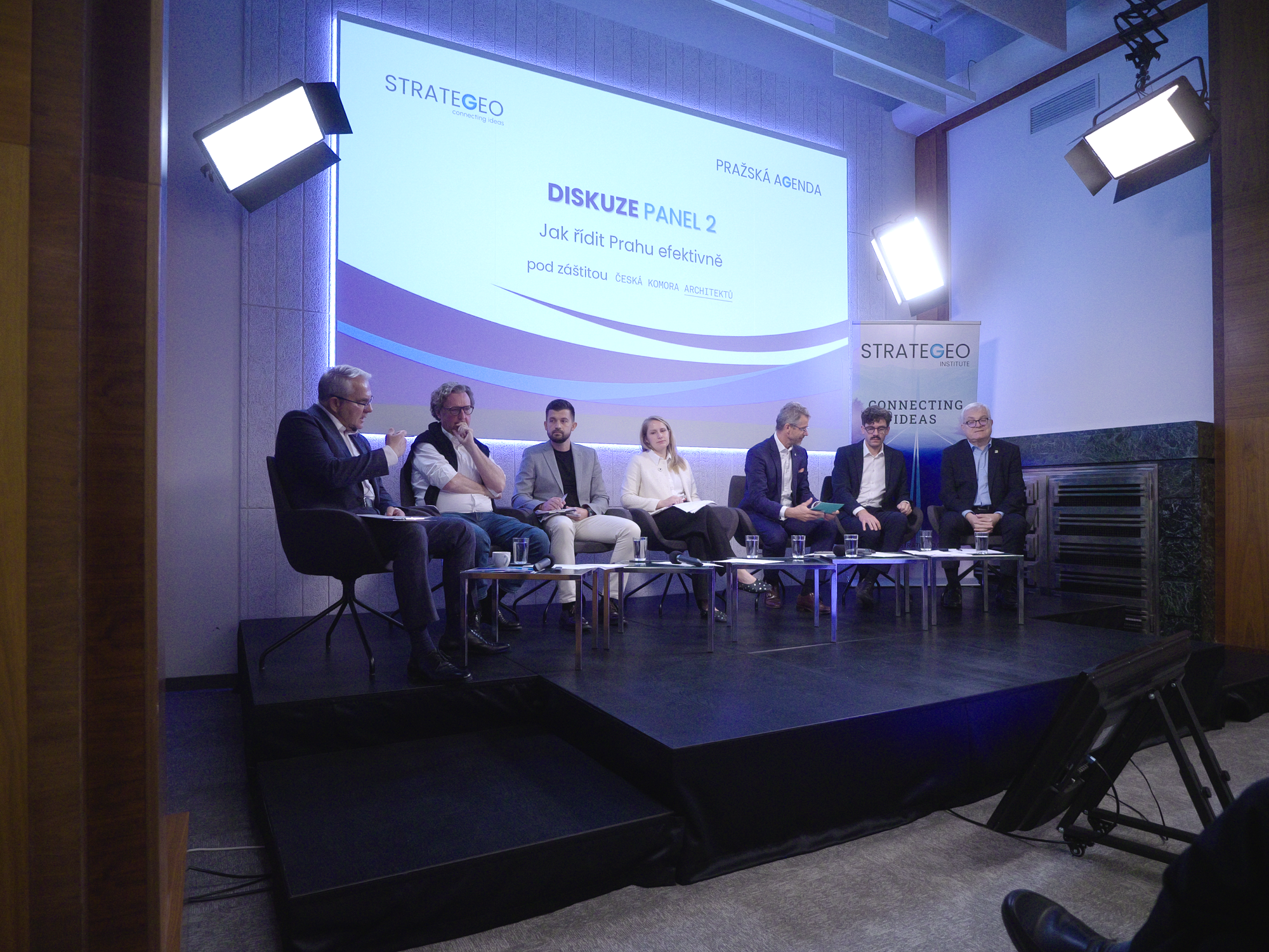
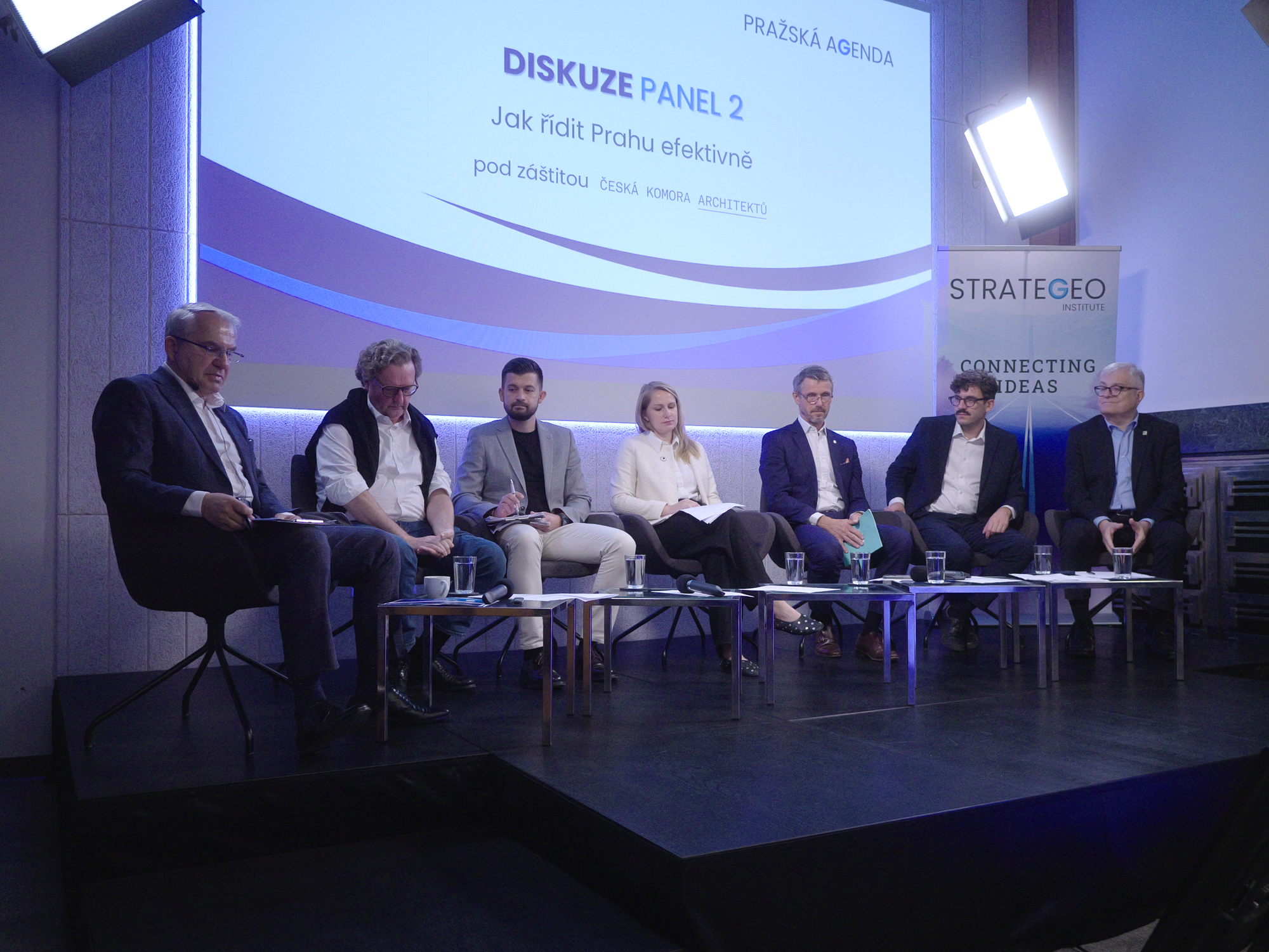
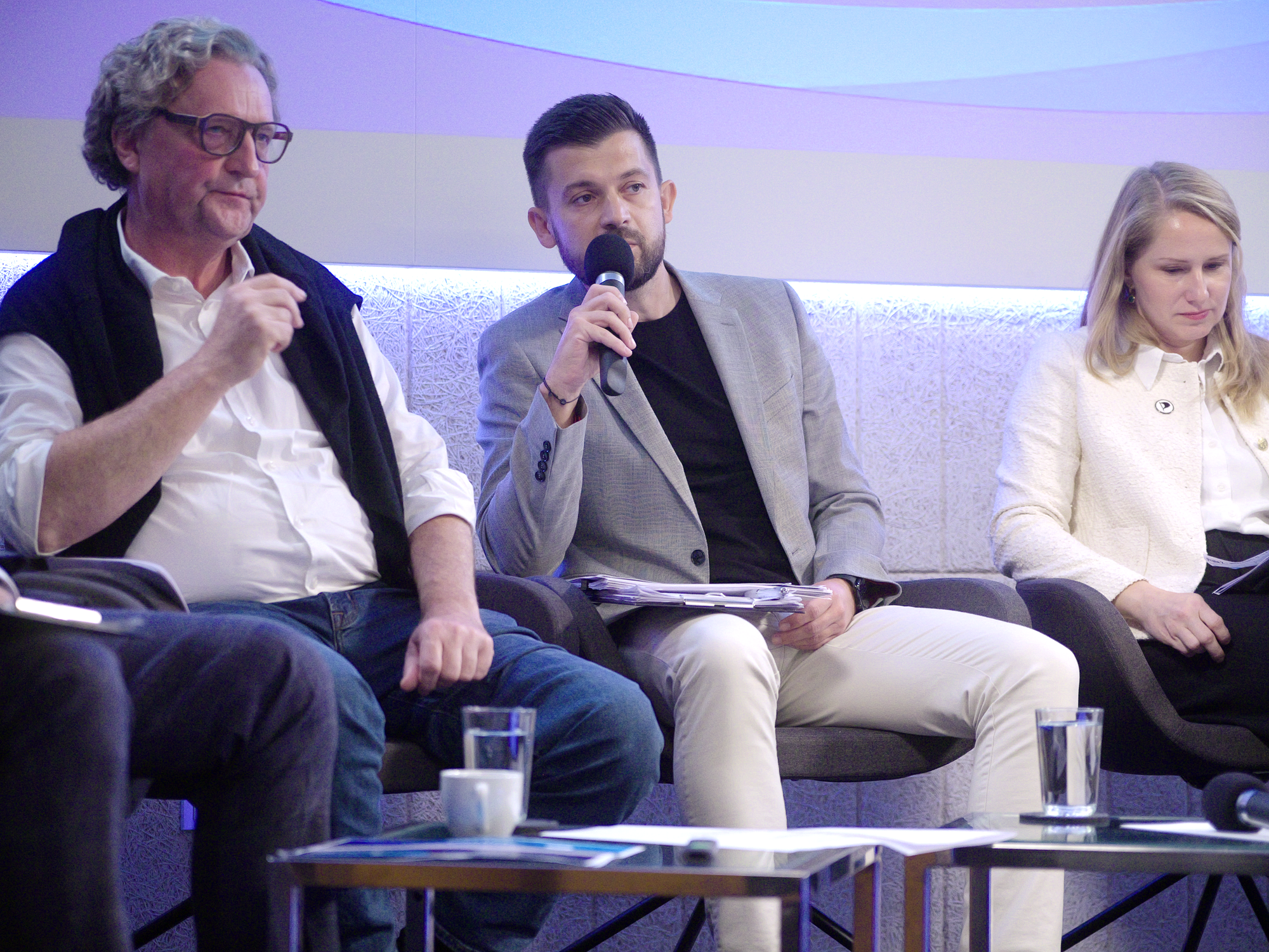
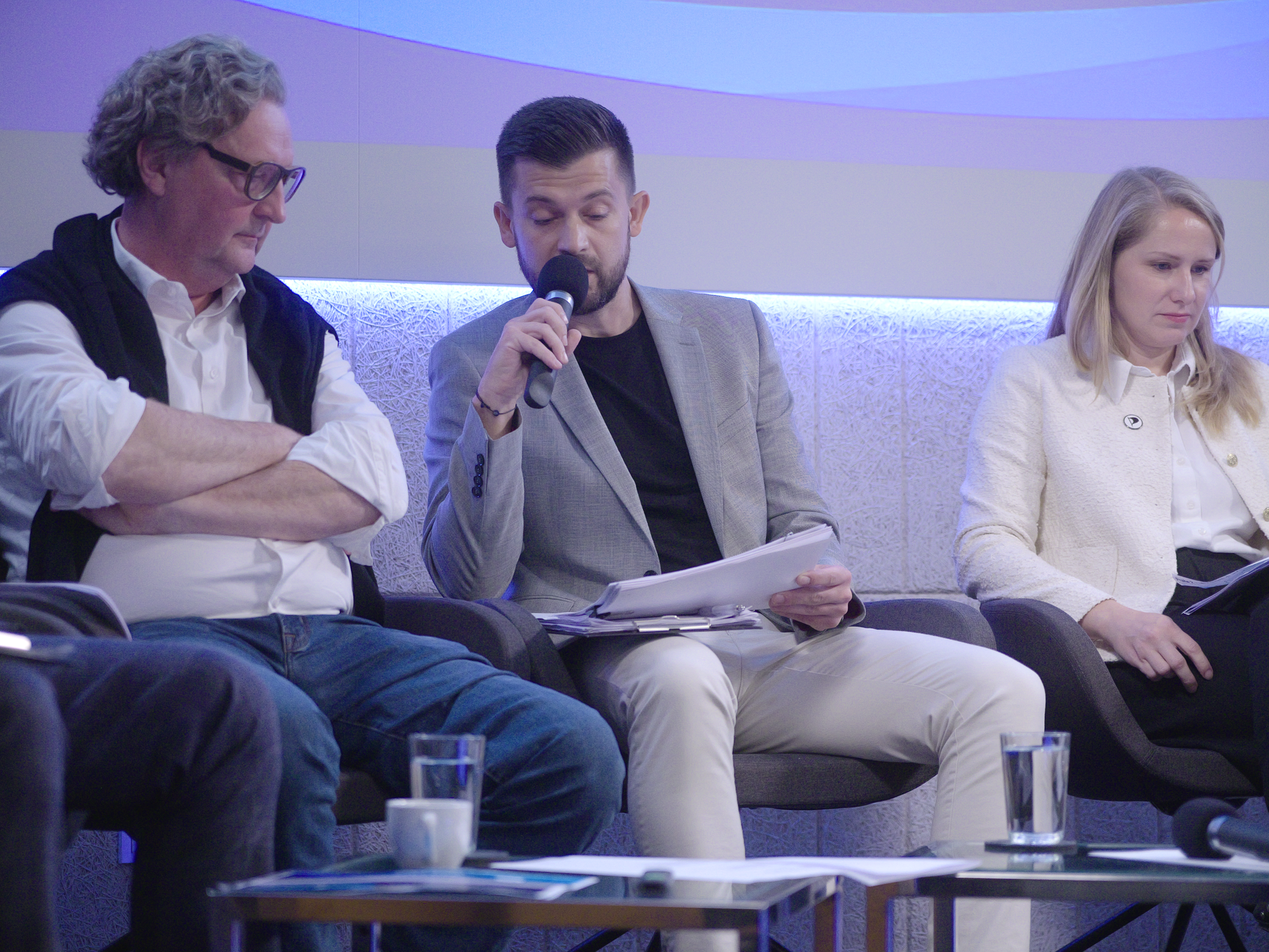
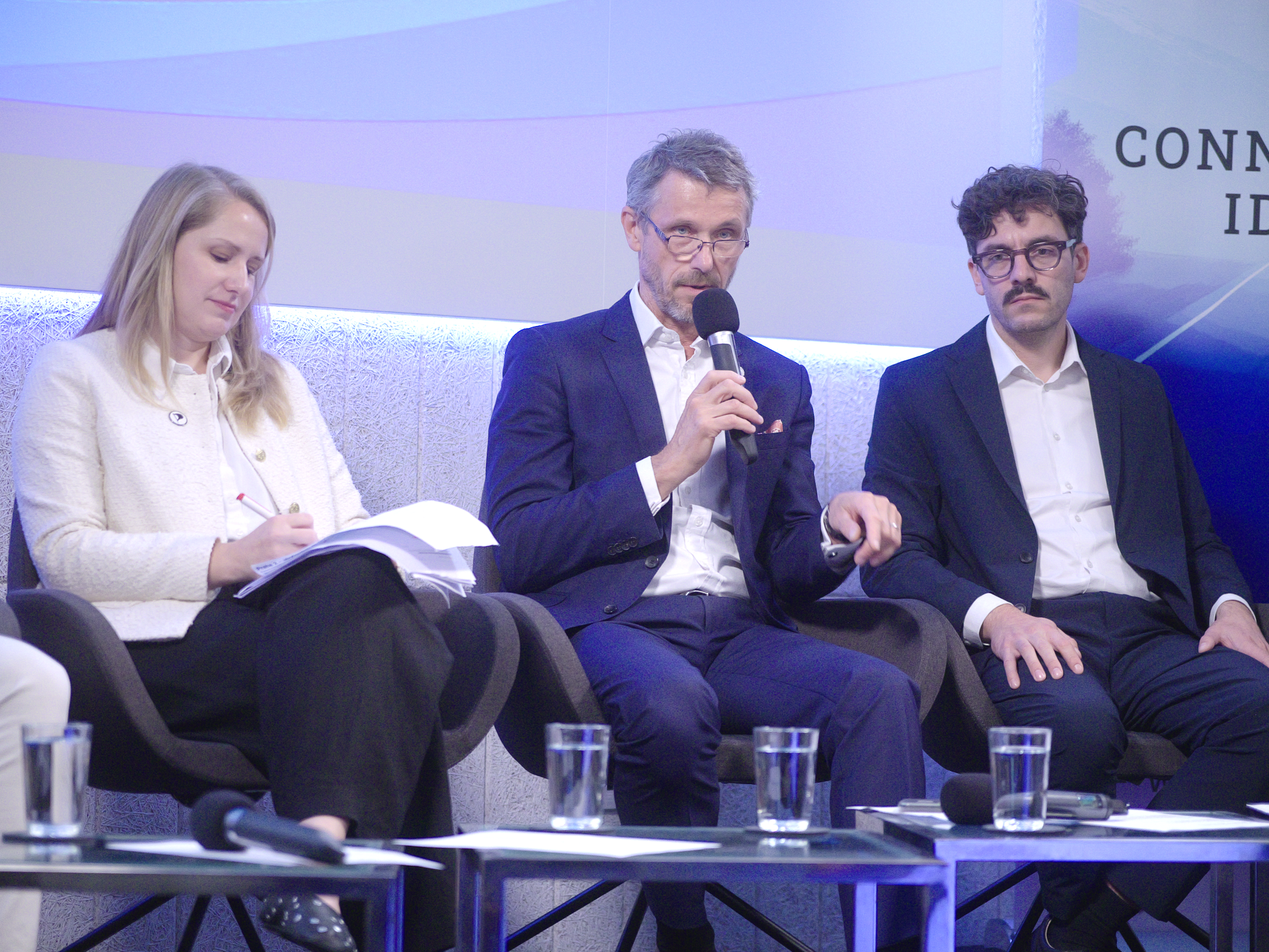
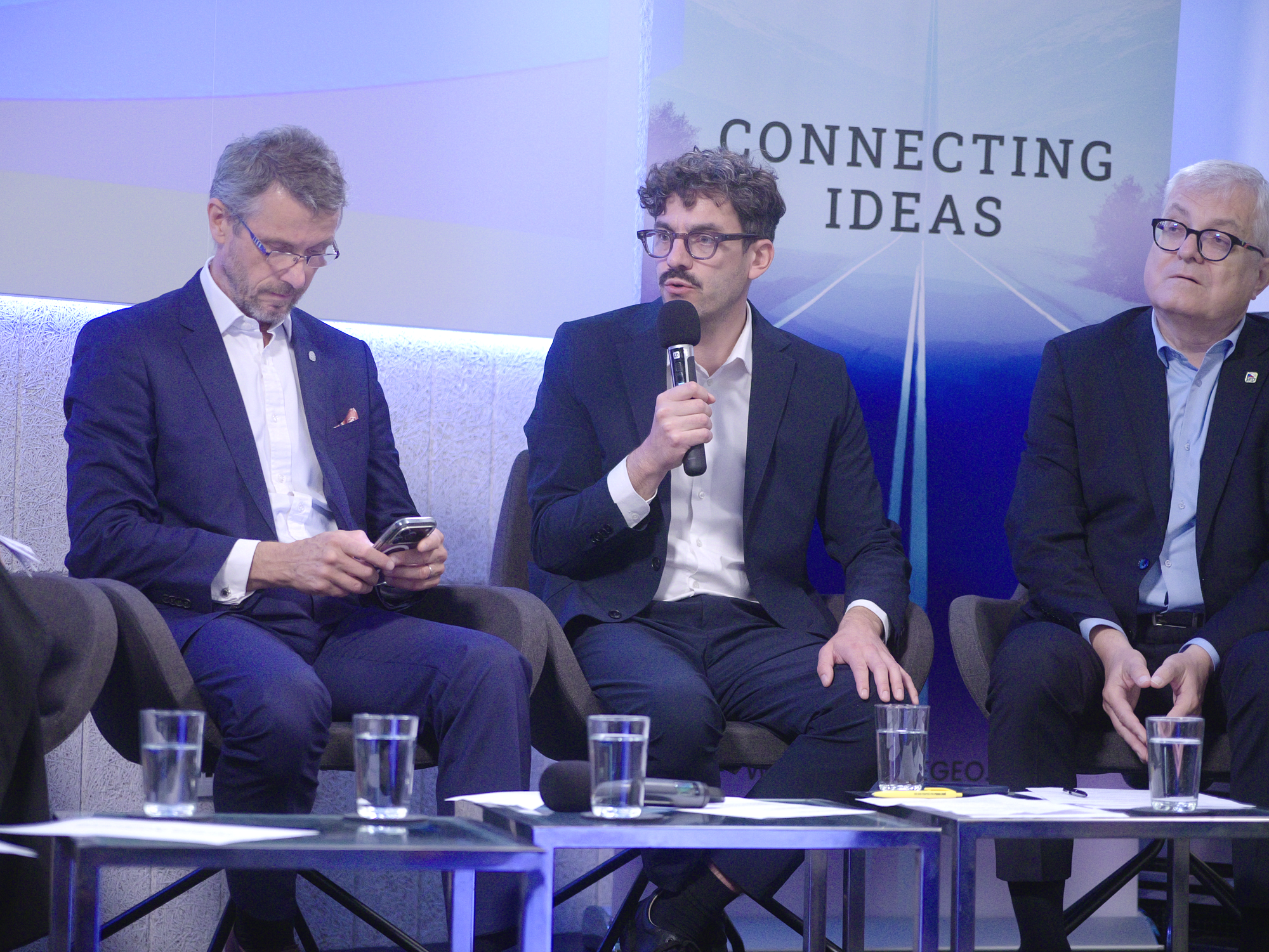
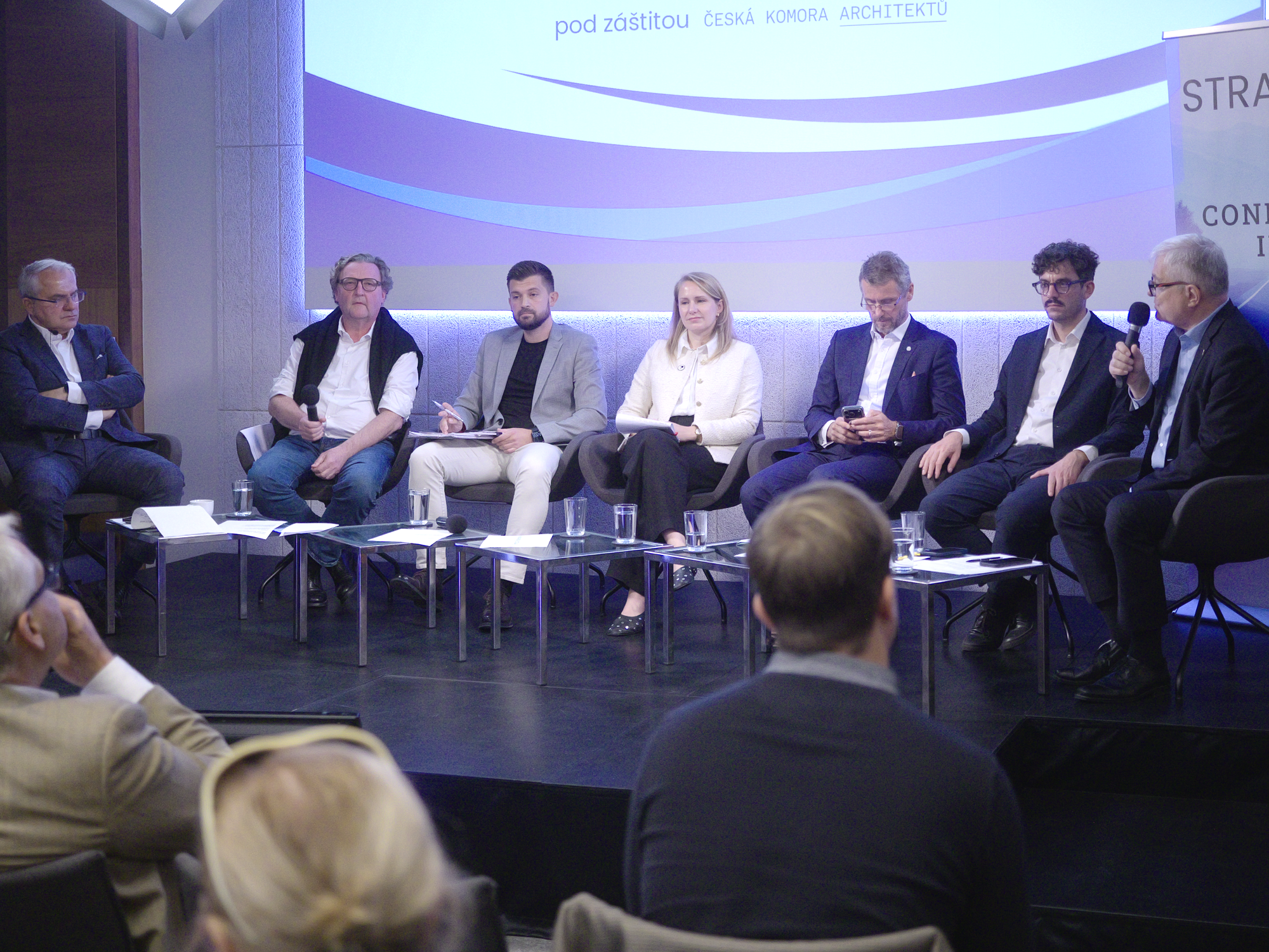
The second panel brought together representatives of Prague politics, most of them candidates for Mayor of Prague – Deputy Mayor of Prague Petr Hlaváček (STAN), Deputy Mayor of Prague 4 Jan Hušbauer (ANO), Prague 4 councillor Tereza Nislerová (Pirates), First Deputy Mayor of Prague 10 Tomáš Pek (SPOLU), and Prague City Assembly members Adam Scheinherr (Praha sobě) and Milan Urban (SPD).
“I am glad that the economists confirmed what I have been saying, that keeping money in accounts is a bad thing. Today, it is CZK 205 billion – unused investment potential over the past eight years. Even taking into account the financing of all 25 projects currently planned by the city, in another four years it will be CZK 290 billion. These important infrastructure projects will be financed continuously, and there is no point in saving the money and keeping it locked in a safe. But it is not only about major construction projects; we also need to invest in other areas – housing, security, for example the regeneration of housing estates. Clear financing, a clear project, clear managerial responsibility,” said Jan Hušbauer (ANO).
“Thanks to the MP, for the first time we have a digital document from which we can identify the necessary investments. It is no longer just some sum of promises and wishes. And over the next 35 years, this amounts to CZK 800 billion. Plus, for example, another CZK 220 billion for Metro Line E. Not everything can be financed through borrowing. So it is about finding a reasonable balance. I think that in four years the budget will already be largely depleted,” Petr Hlaváček (STAN) countered.
“I also think there will be significantly less money in four years. According to our analysis, 80% of what was planned was invested during this term of office. We also used loans, for example for the Dvorecký Bridge and Metro Line D. The priority now is to make significant progress on the inner ring road and also to build municipal housing. Bank financing can really be used there. The European Investment Bank is ready to provide us with a favorable loan of at least CZK 20 billion, which would be enough for roughly 4,000 municipal apartments,” said Tereza Nislerová (Pirates).
“I would not want the city to get into substantial debt. There are so many infrastructure projects that if they all came together at once, we would have a problem repaying them. However, there are areas where it makes sense to build using debt, for example housing construction, because it is directly connected with a benefit, namely the collection of rent, from which the debt can be repaid,” said Tomáš Pek (SPOLU).
“It is a mistake that the current coalition has postponed a number of projects that already have building permits. This is a major mistake and, as a result, it leads to these projects becoming more expensive. These include, for example, the extension of the tram line in Pankrác, the reconstruction of Malostranské náměstí, the footbridge in Braník and others. But I think we need to have enough money in the account because investment activity will be enormous. However, I believe we could borrow for affordable housing – for example, all apartments could be transferred into an investment fund that would use the apartments as collateral for loans,” said Adam Scheinherr (Praha sobě).
“I, on the other hand, think that in four years there will be much more money in Prague’s account. Because how much money are we actually capable of investing in the next term of office? We will build 450 PDS apartments, which amounts to a few billion Czech crowns. We have 10% of the housing stock uninhabitable, and if we immediately invest in repairs, that again amounts to only a few billion. If we add other meaningful investments that would increase the value of the city’s property and that we are capable of implementing, we get somewhere around CZK 20 billion. So in my view, the accumulation of money will continue,” added Milan Urban (SPD).
Research into the Views of Prague Residents
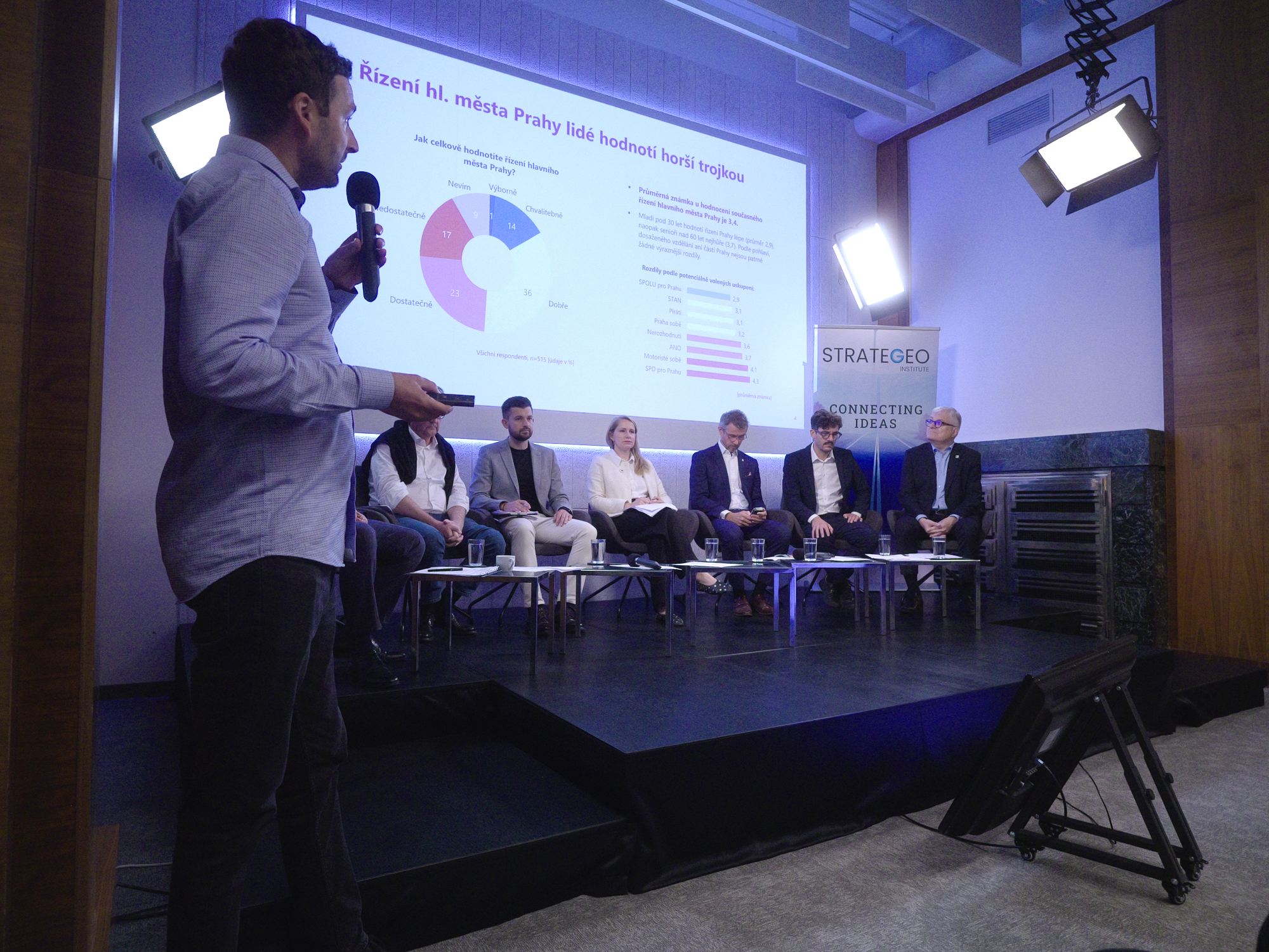
According to an exclusive survey conducted by STEM/MARK for the Pražská agenda, the management of the capital is rated by residents with an average grade of 3.4 – more positively by younger people and more negatively by seniors. Two thirds of respondents believe that Prague is not making sufficient use of its economic potential. According to the majority of respondents, Prague should not hold financial reserves for major strategic projects. They would spend the money already now, primarily on affordable housing and improvements to transport infrastructure, healthcare and security. They also call for the simplification of administrative processes, which reduce the efficiency of the city administration, which according to the majority of respondents has not improved recently. Digitalization of communication with public authorities should help above all. They also reject the idea that politicians from the city leadership should sit on the governing bodies of city-owned companies; expertise should be the main criterion.
Other Activities of the Pražská agenda
In addition to regular expert debates, the Pražská agenda initiative also produces public opinion research, podcasts and recommendations for the city. Strategeo Institute expects these outputs to serve as input for political groups running in the municipal elections and to provide a mirror for their programmes and specific proposals in terms of expertise and competence. Strategeo publishes the outputs of the debates and research findings on its website www.strategeo.cz and on its social media channels. The project also includes a podcast series in which Jan Macháček invites guests from expert, business, political and cultural circles with a connection to Prague.
Further debates reflecting the first steps of Prague’s new leadership are planned for the beginning of 2027.
Research available for download here
About Strategeo Institute: Strategeo Institute z. s. is a non-partisan and independent think tank founded in 2024. It focuses on geopolitics, economic strategy and public policy and promotes the values of classical European liberalism. The founder and president of the institute is Jan Macháček, a leading commentator and analyst of current domestic and international affairs. He is also an external adviser to the President of the Czech Republic, Petr Pavel, on foreign policy.