Prague, 8 September 2026
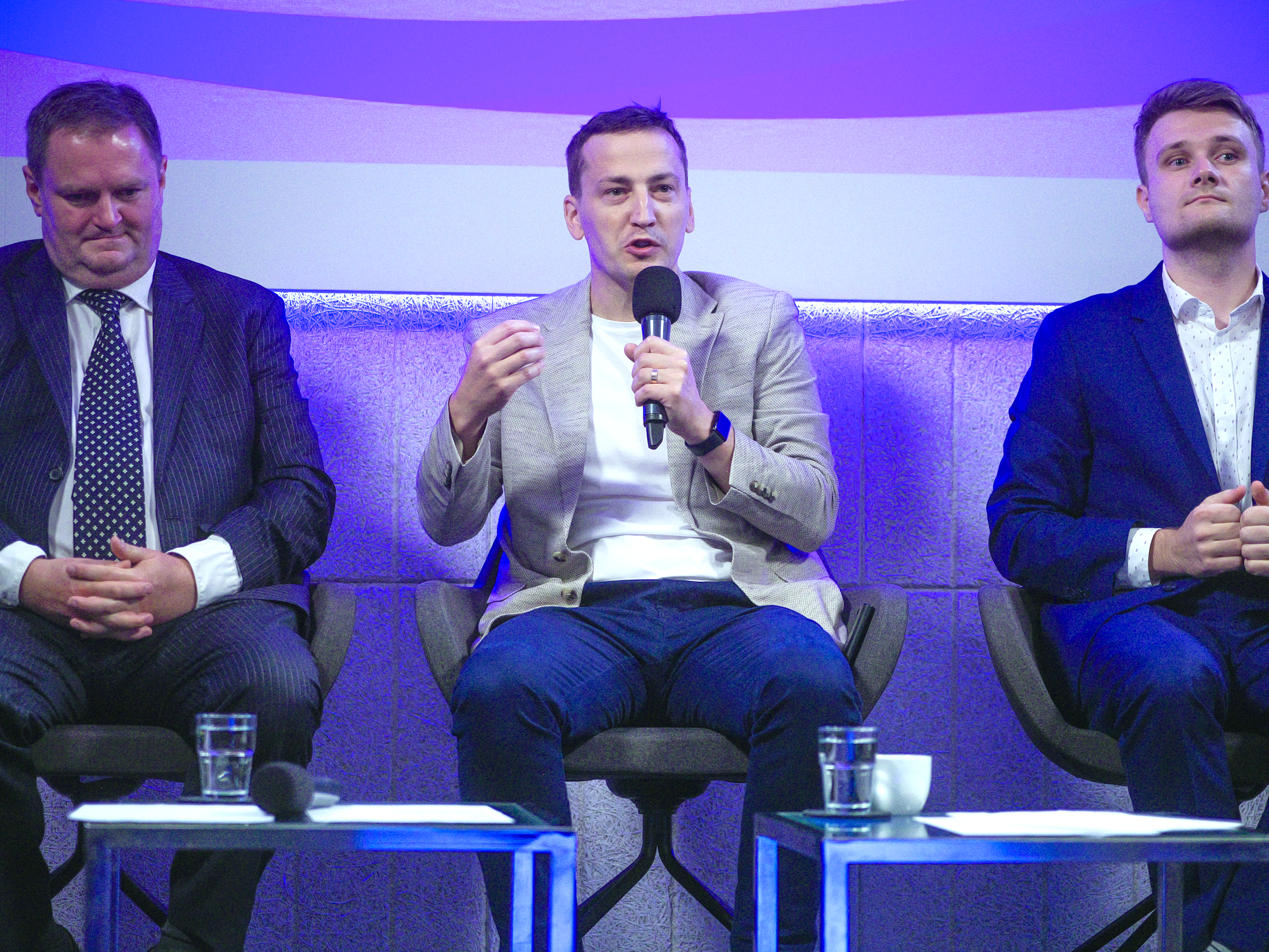
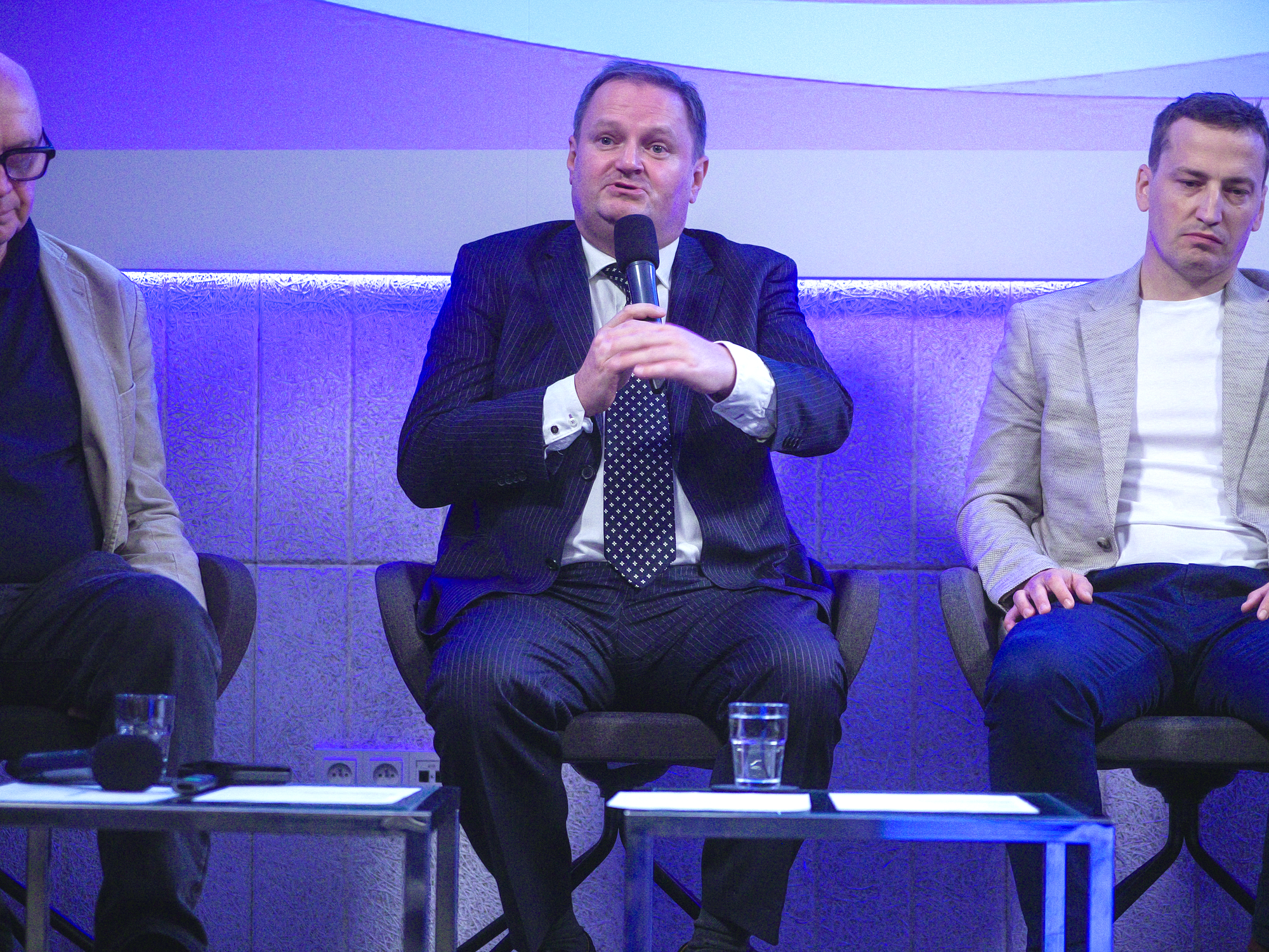
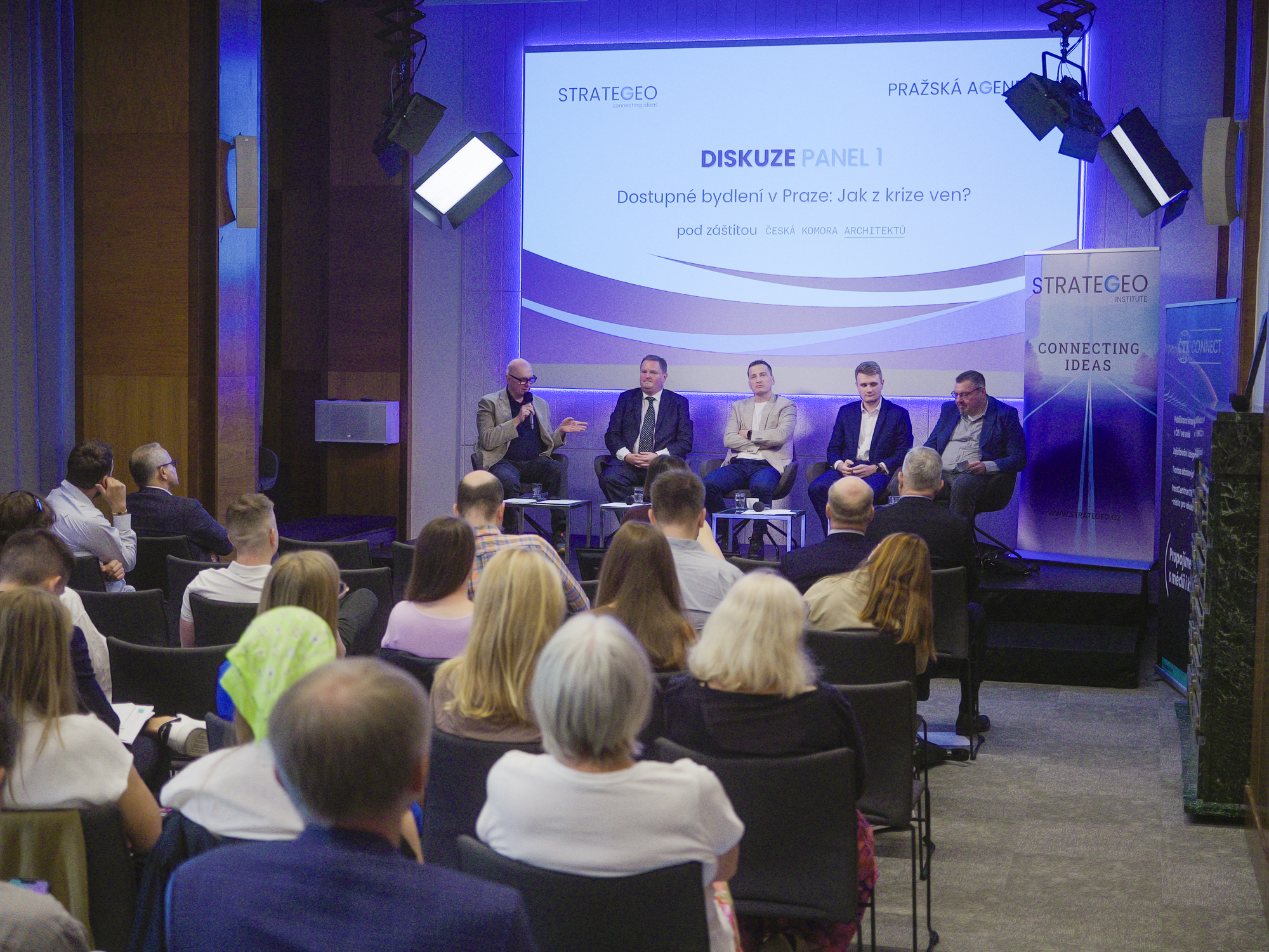
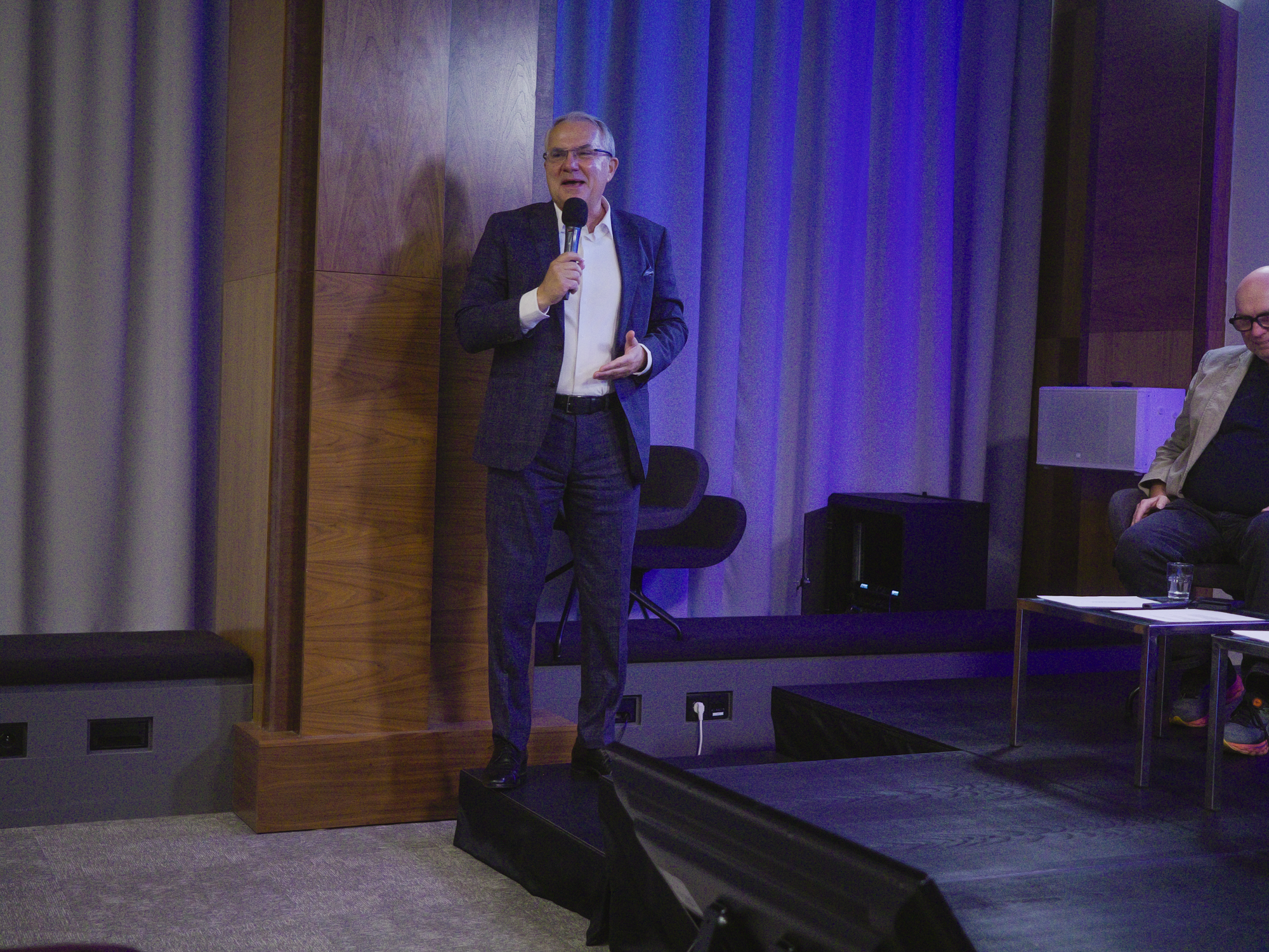
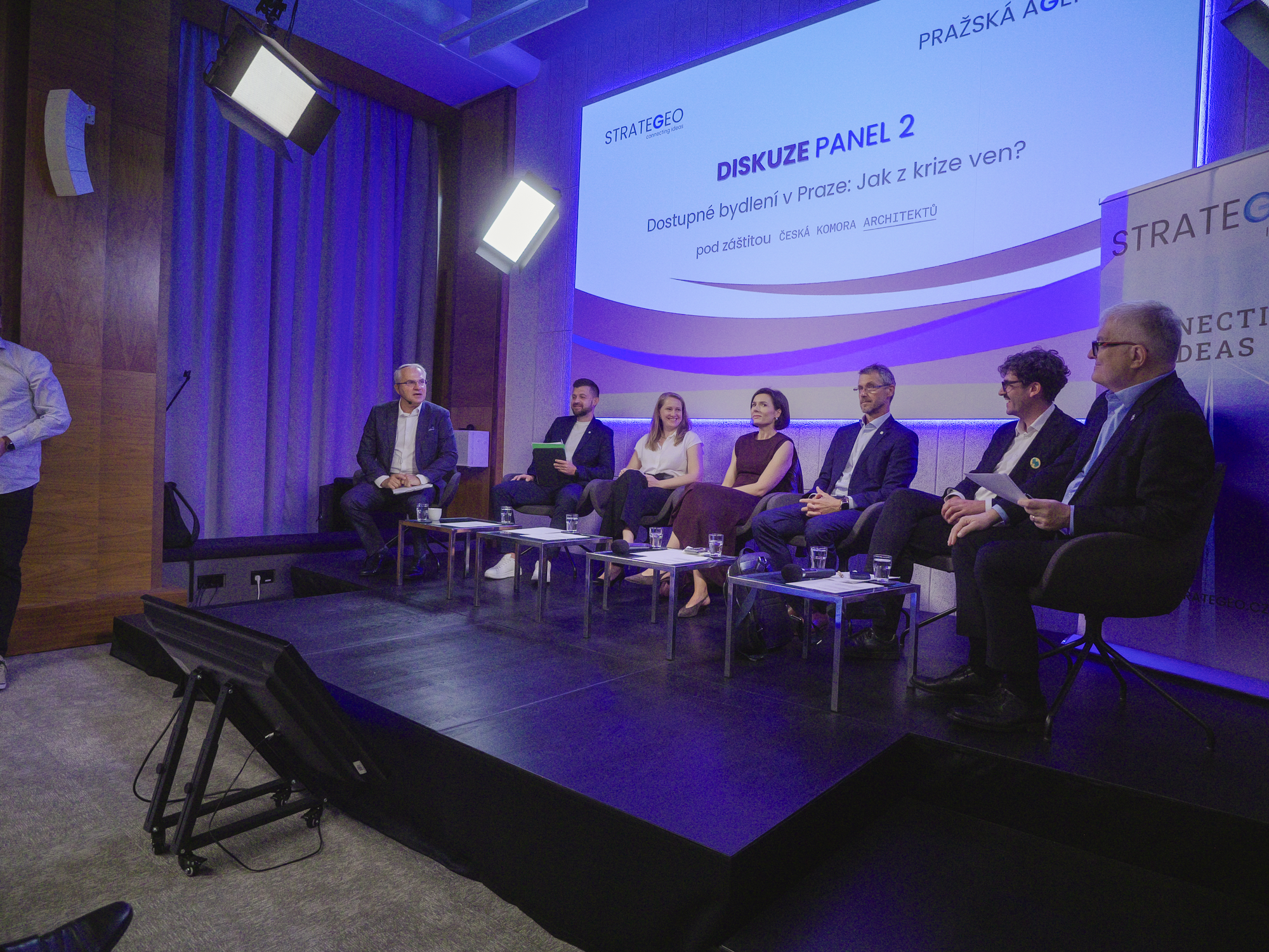
Should the city build housing? Will regulating short-term rentals and investment apartments help? Which solutions are realistic, and which are merely election promises? These were among the questions explored by the guests of the seventh public debate of the Prague Agenda initiative, titled “Affordable Housing in Prague: How Do We Get Out of the Crisis?”
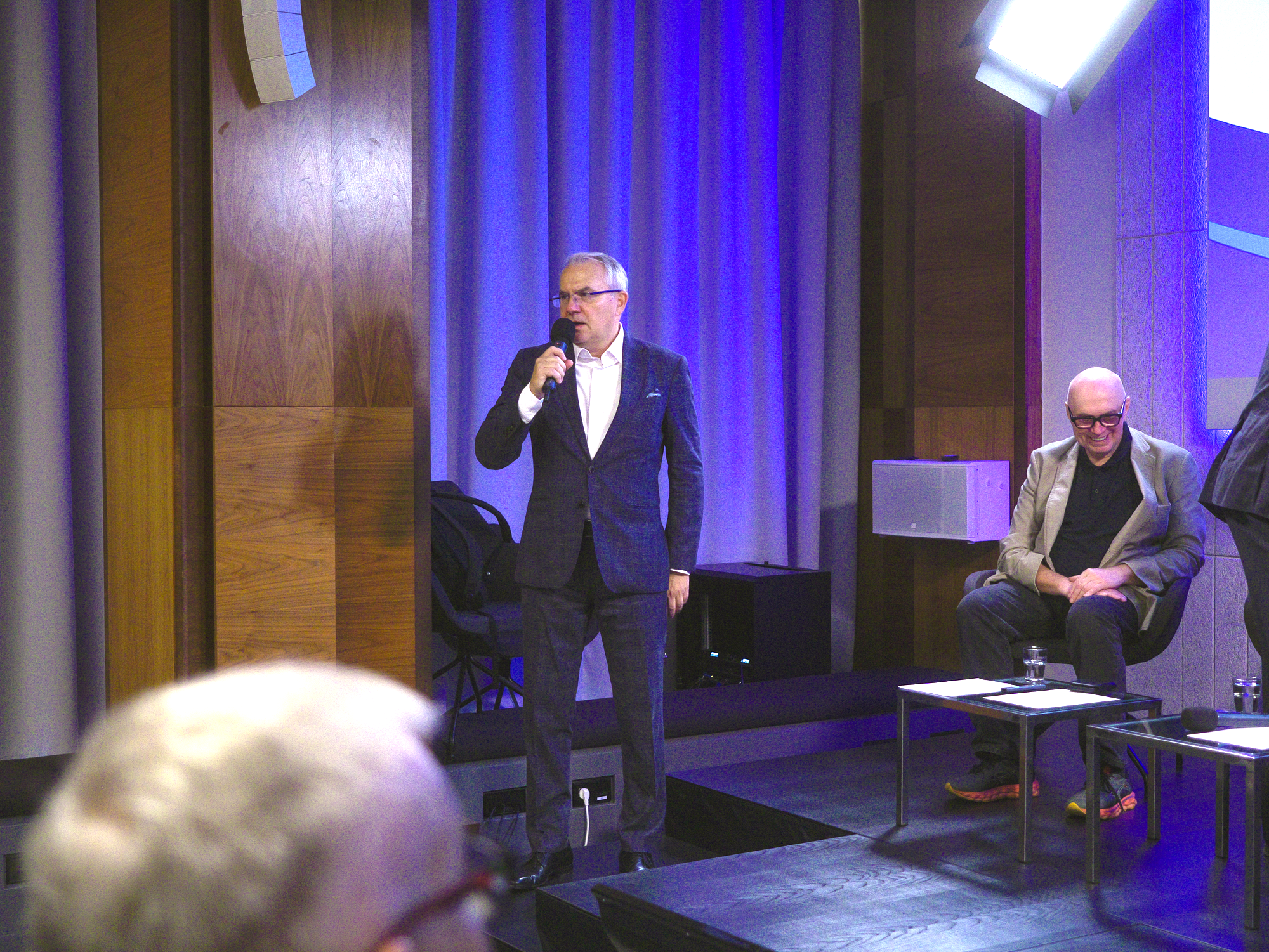
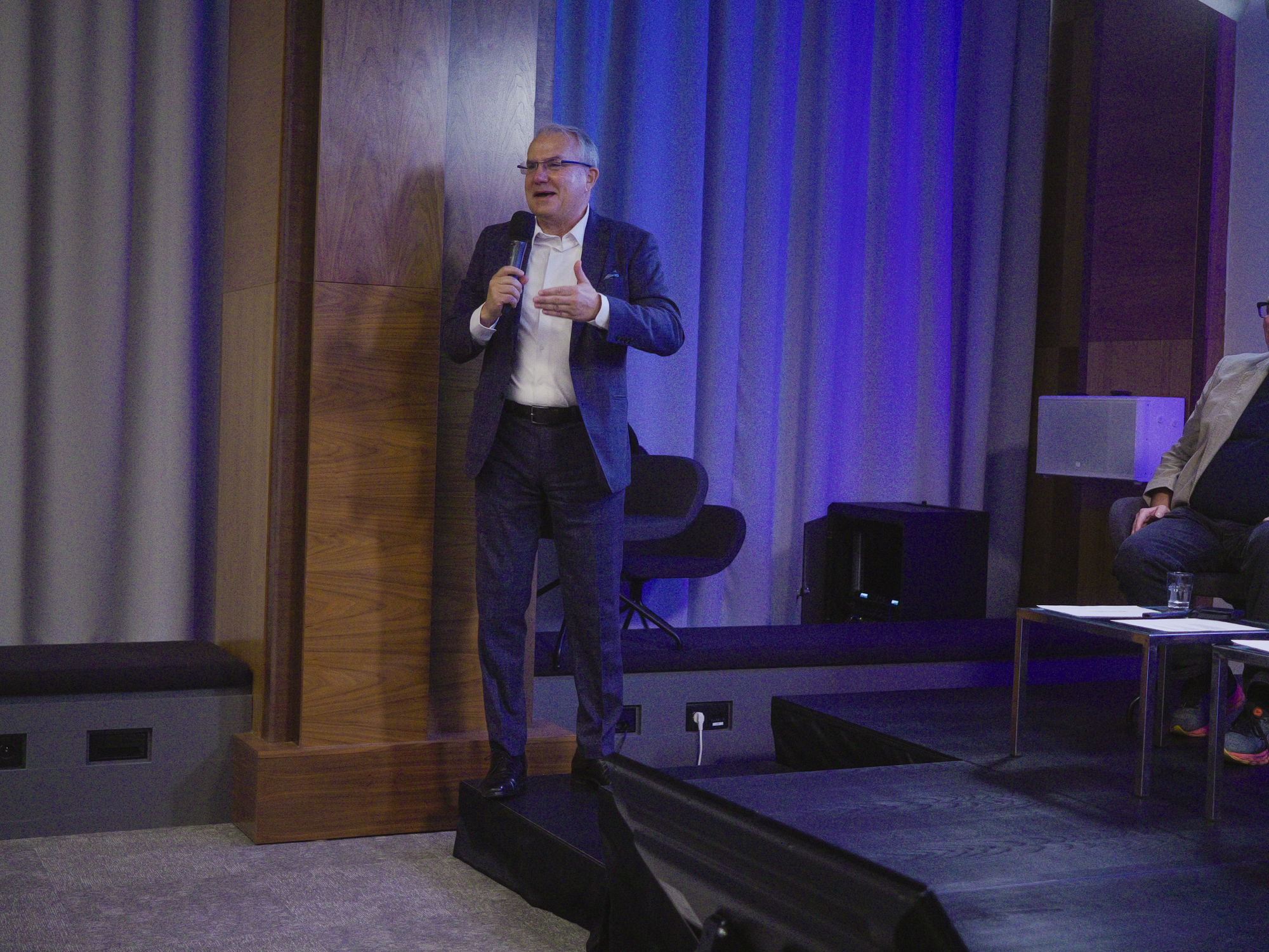
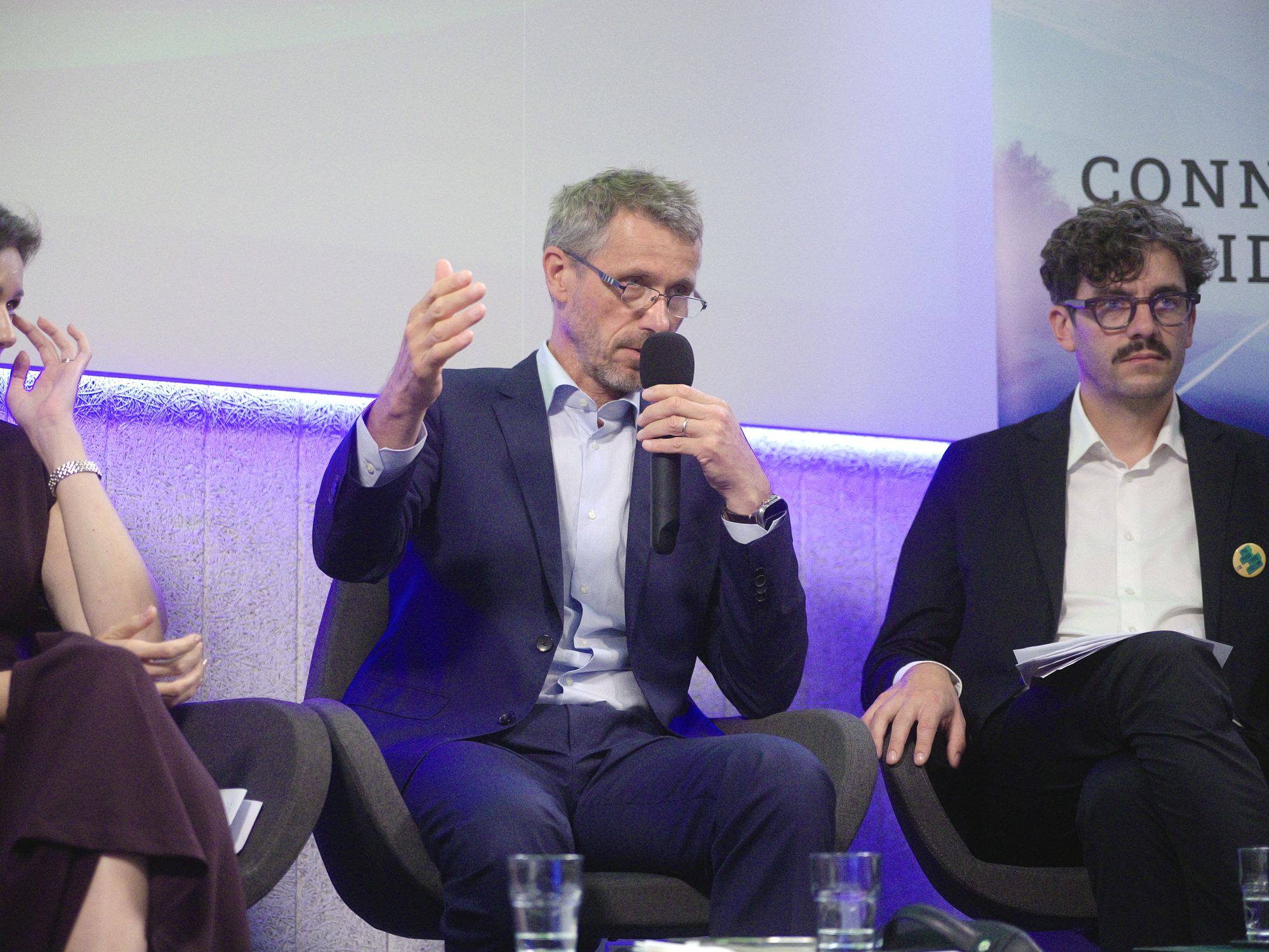
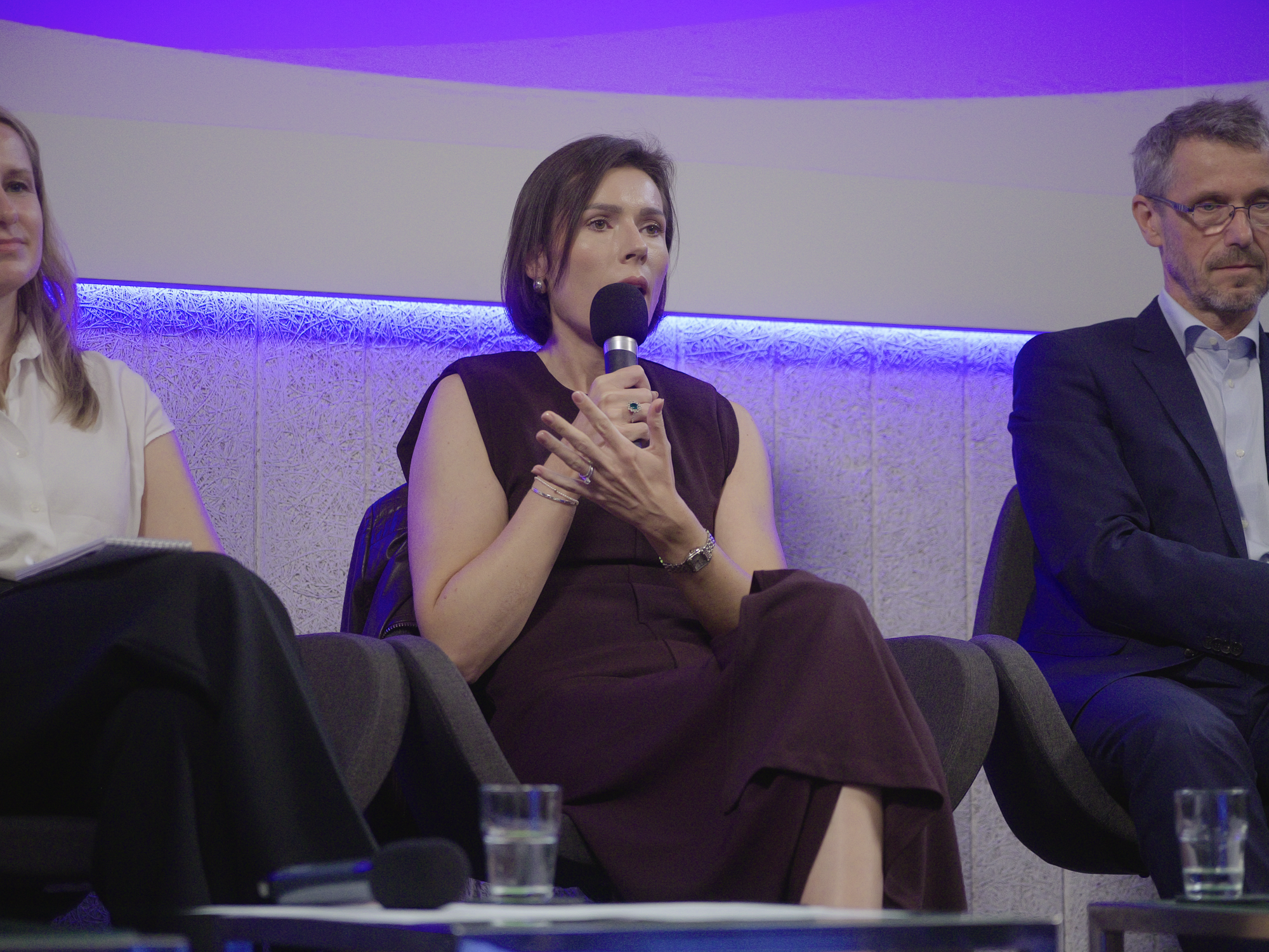
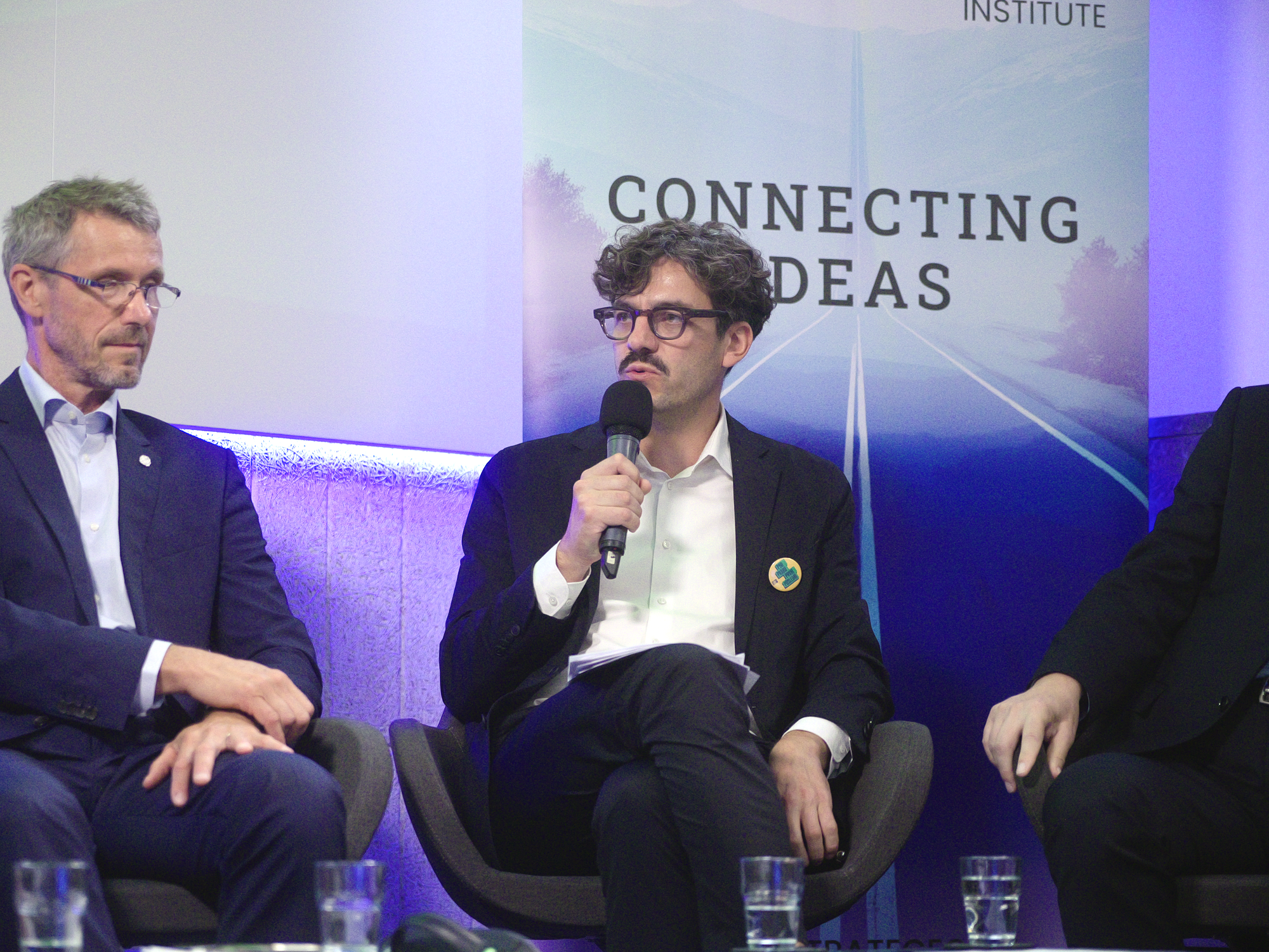
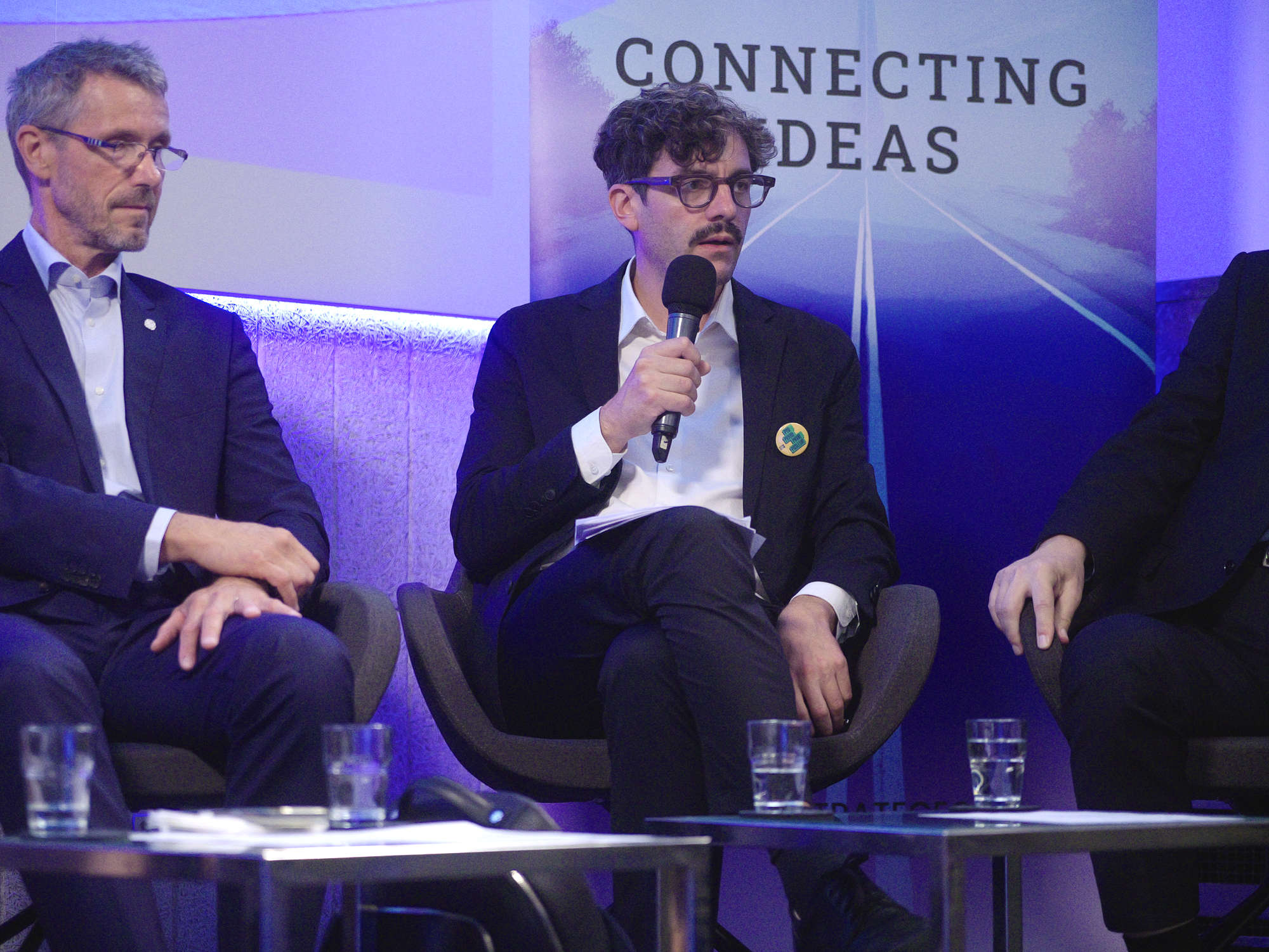
The debate was held under the auspices of the Czech Chamber of Architects (ČKA). Guests gathered at the ČTK PressClub to follow two discussion panels moderated by Jan Macháček and Veselin Vačkov of the organizing Strategeo Institute.
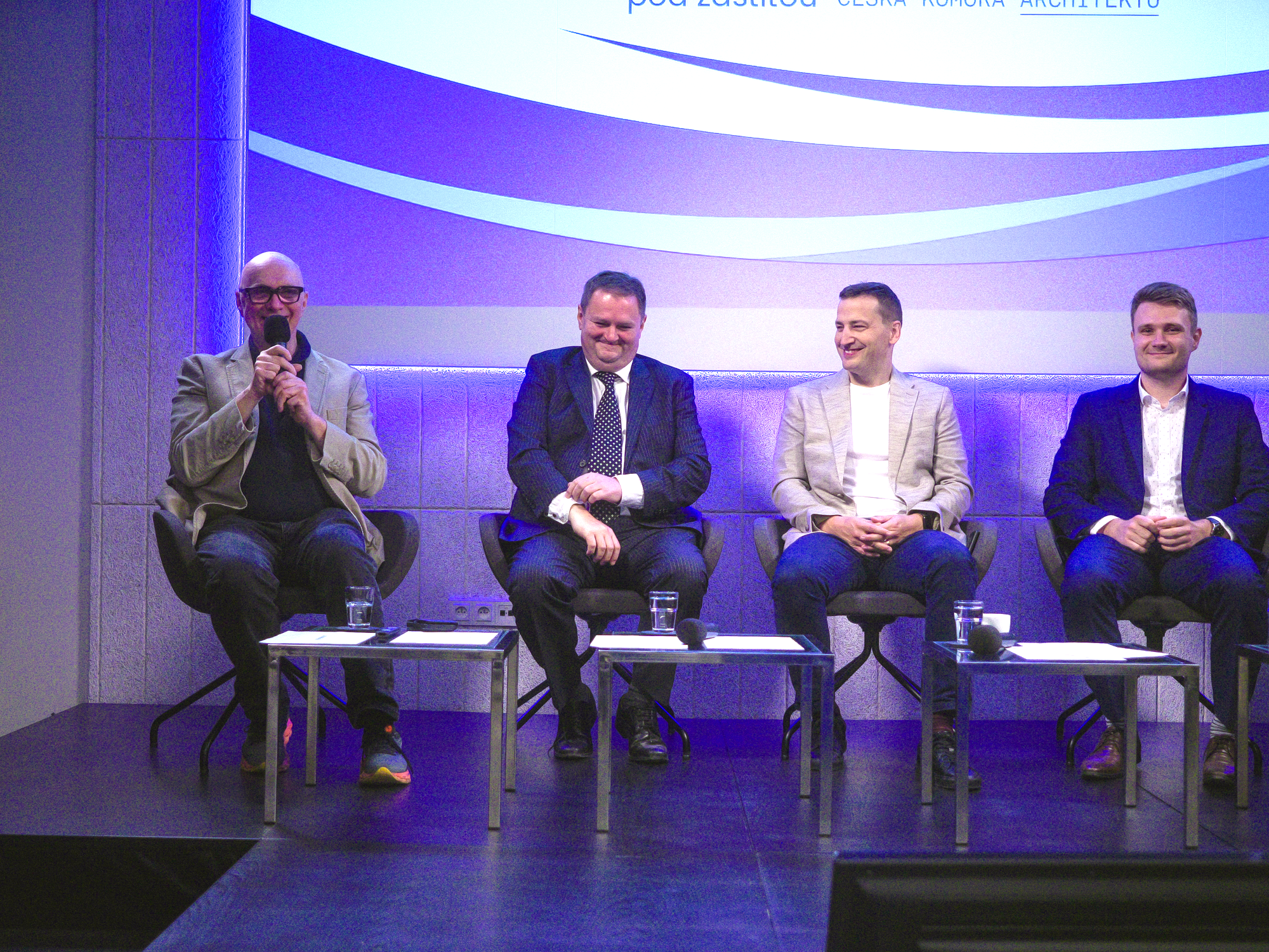
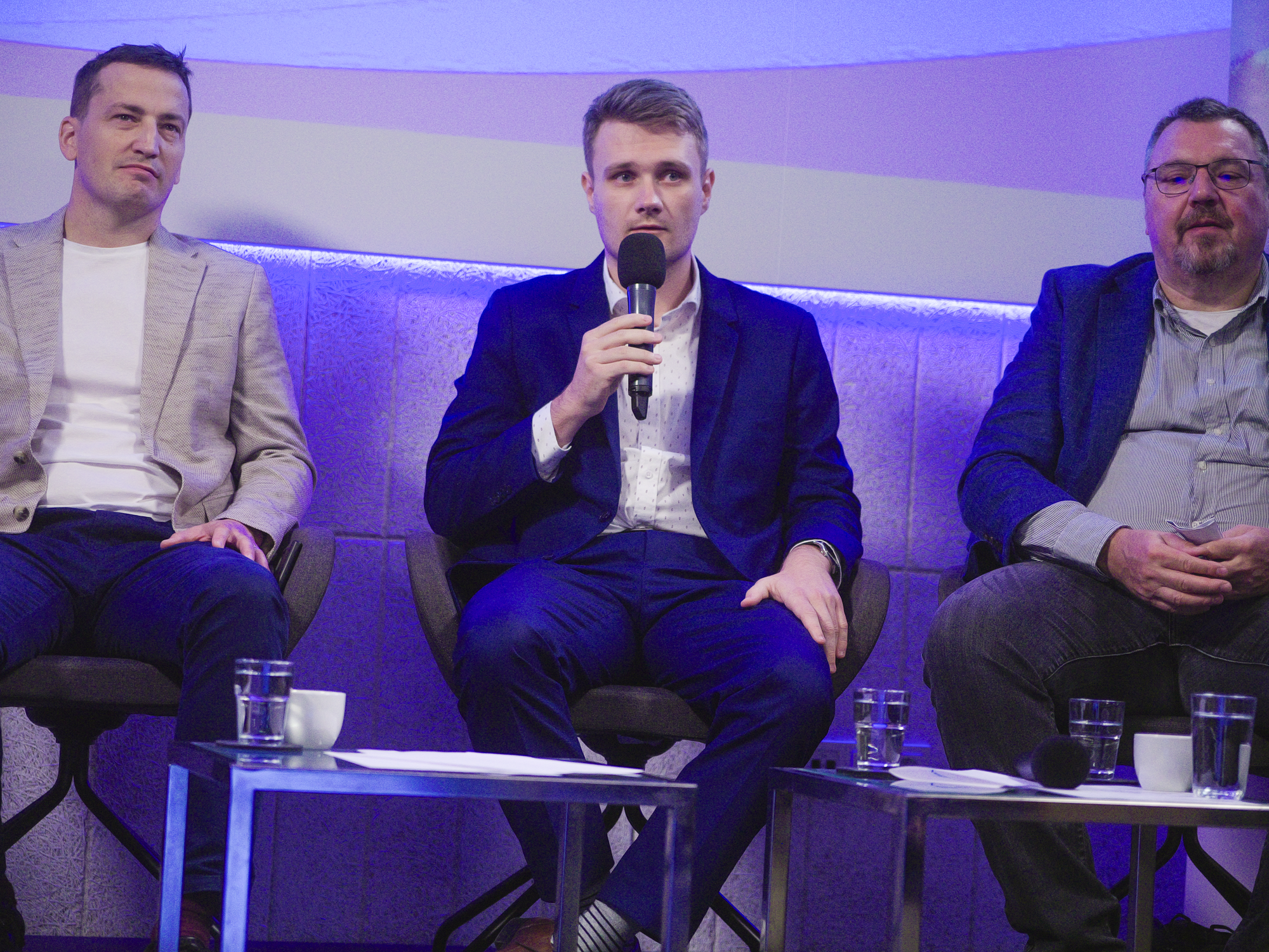
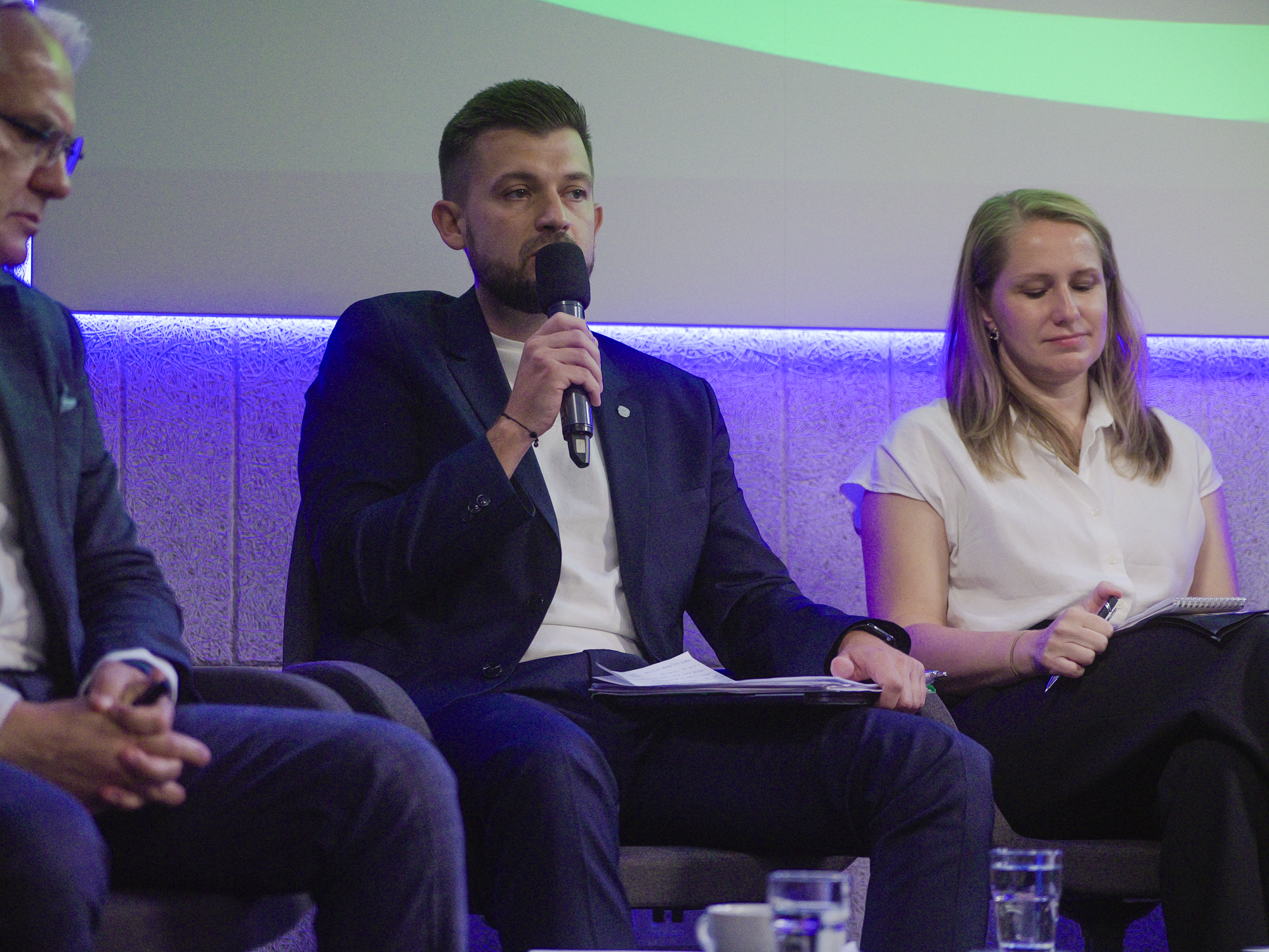
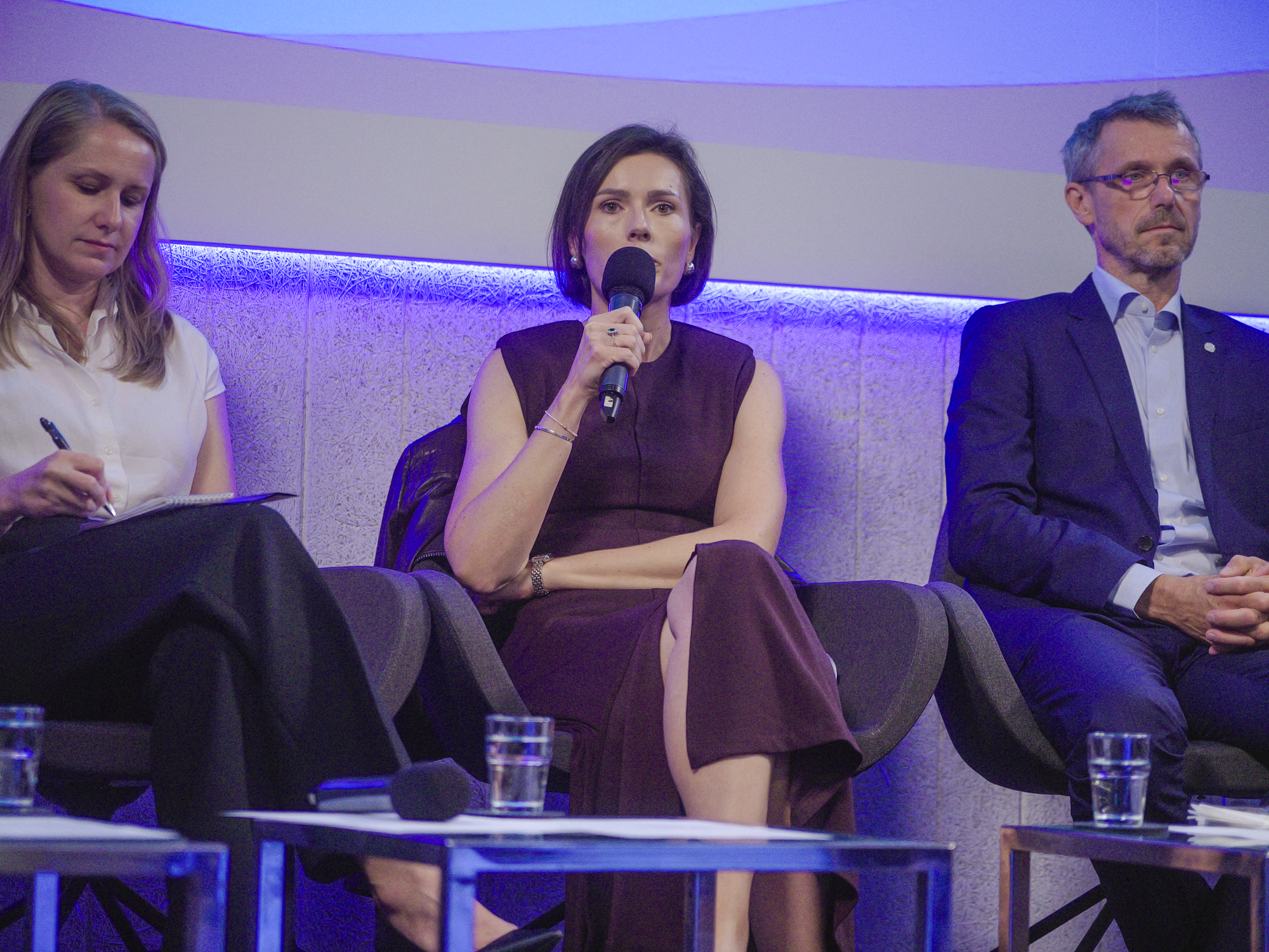
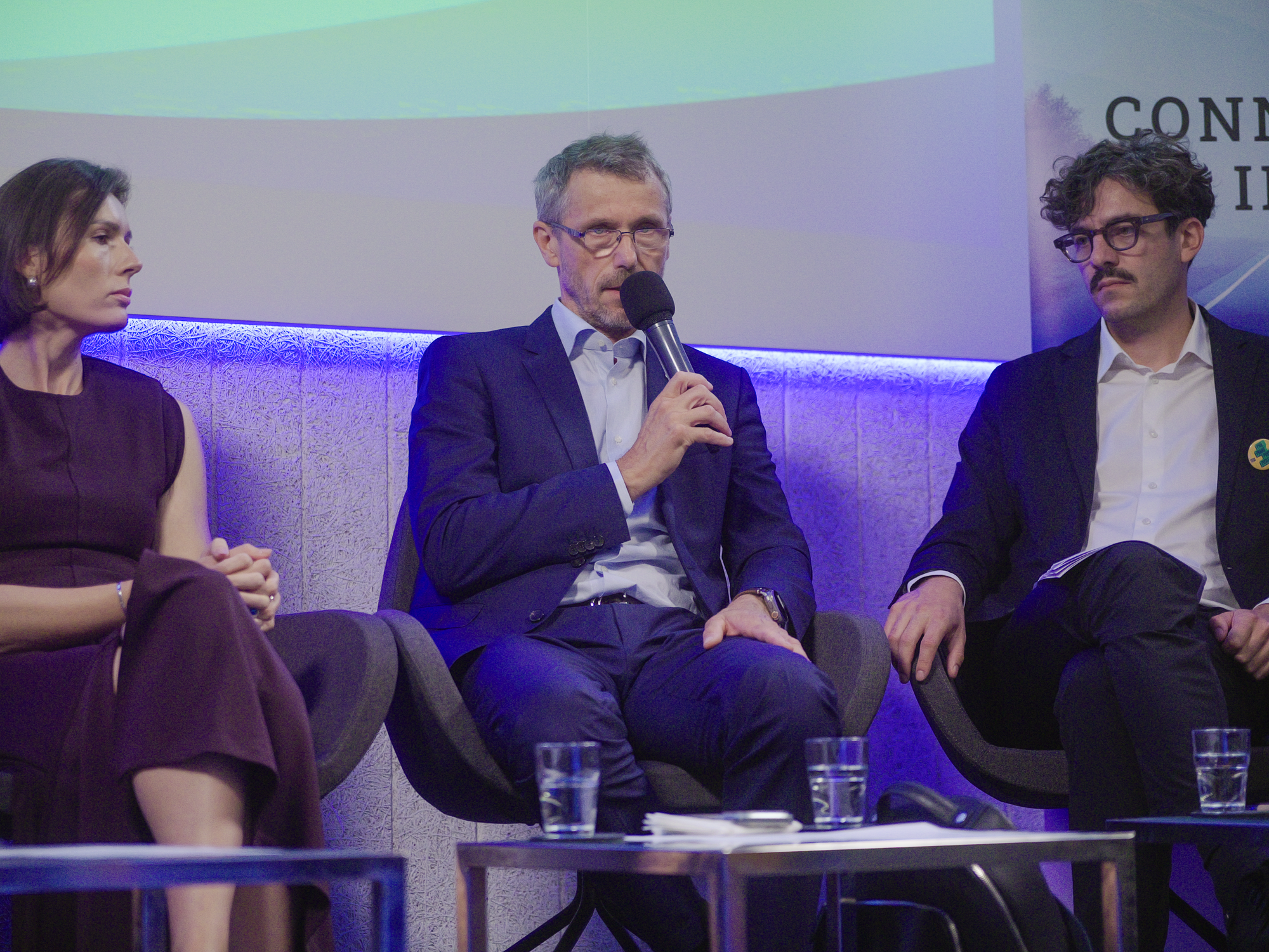
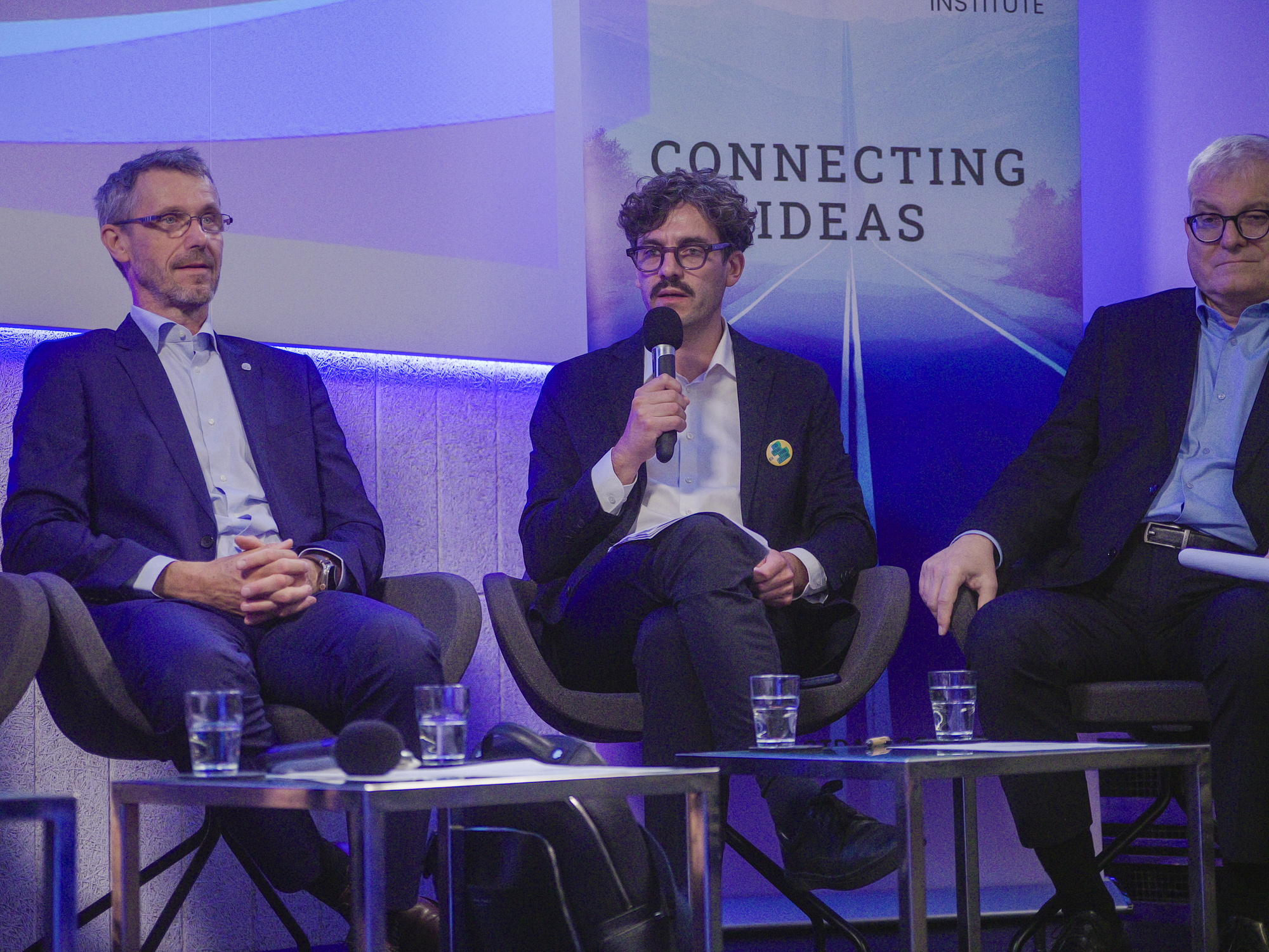
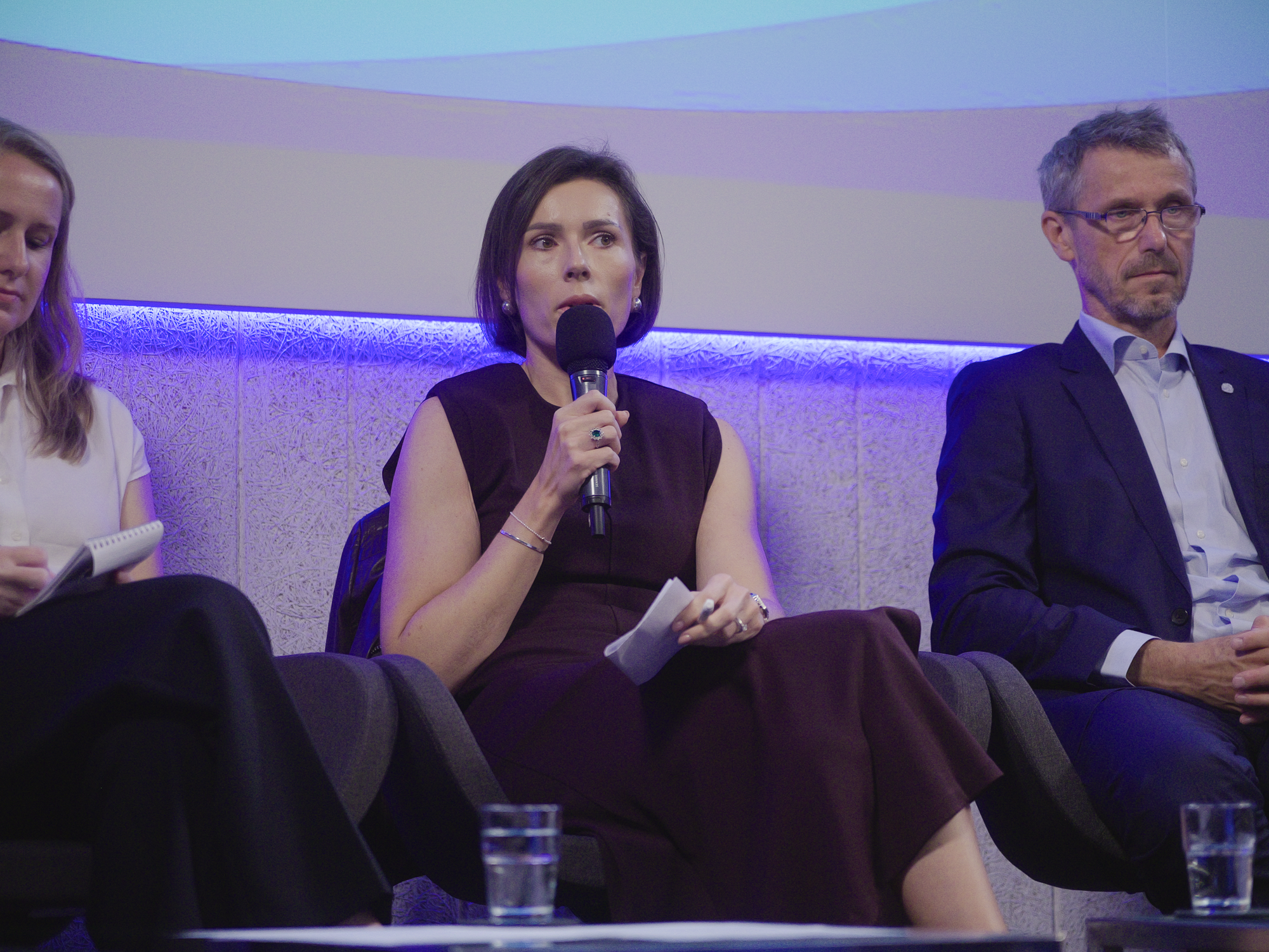
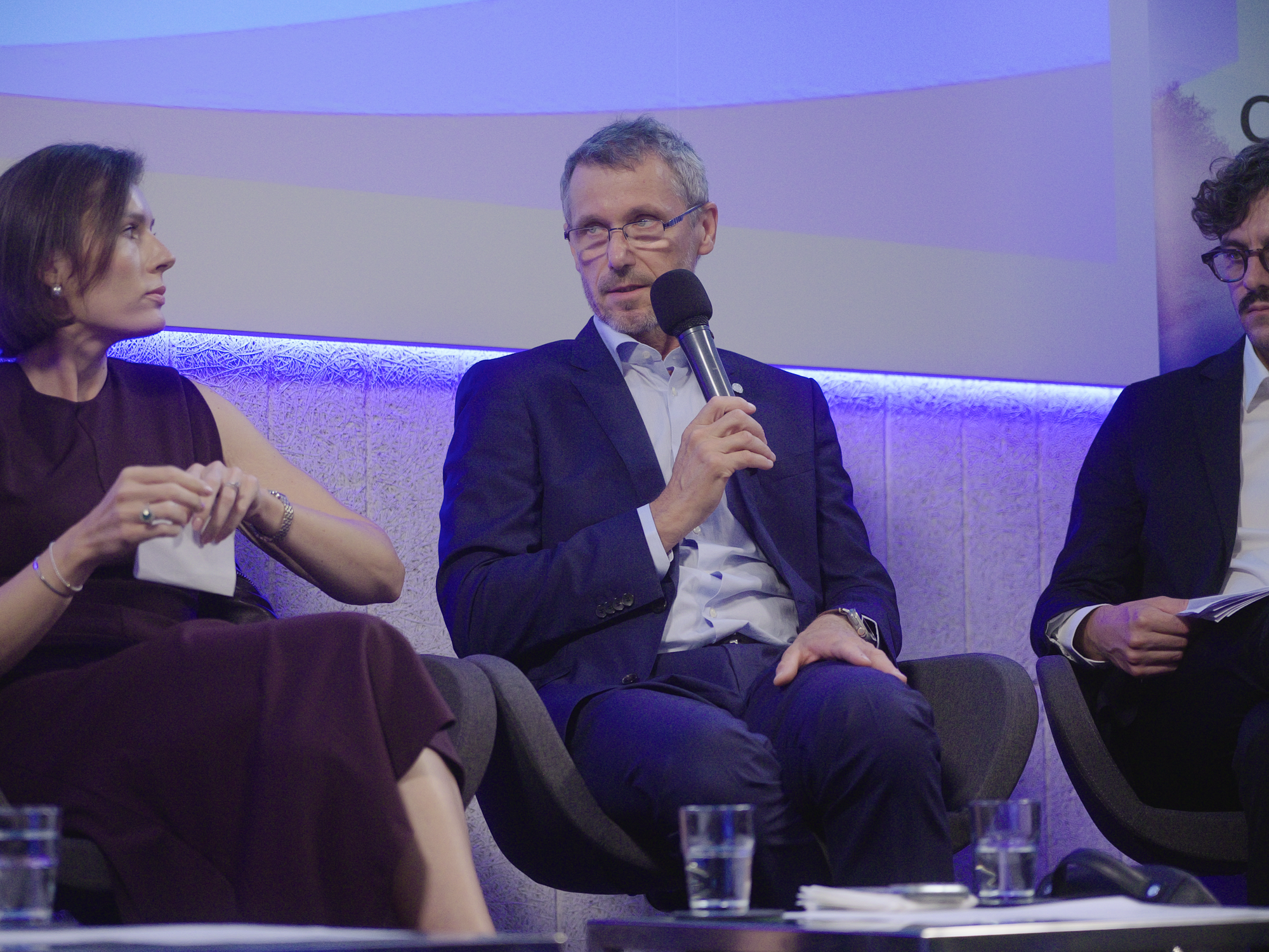
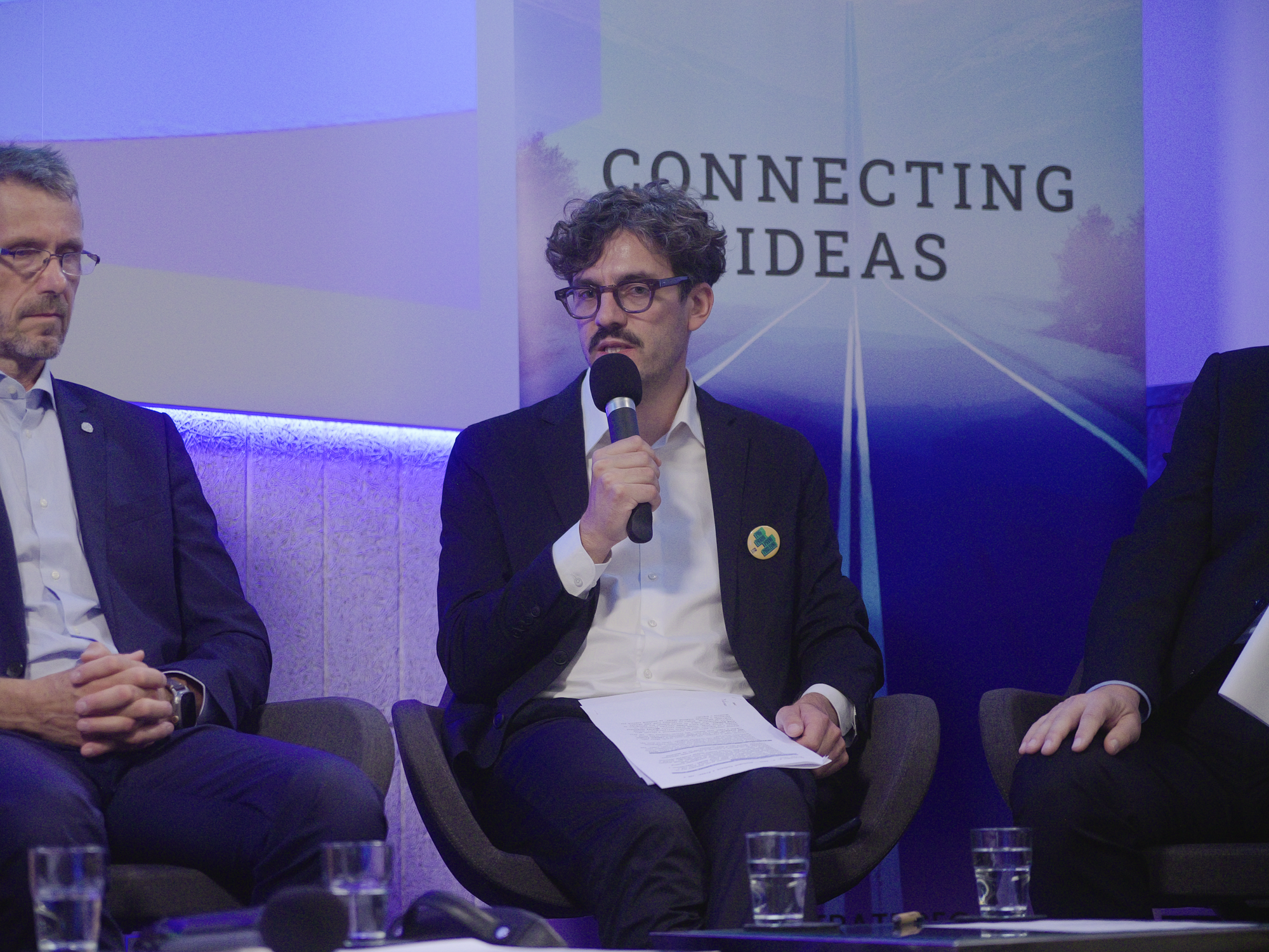
The first panel brought together experts with extensive experience in Prague’s development and housing construction: Petr Bartoň, Chief Economist at Natland; Ondřej Boháč, Director of the Prague Institute of Planning and Development (IPR Prague); Jakub Kuneš, Director of the Liberal Institute; and economist and former Governor of the Czech National Bank Miroslav Singer.
All panelists agreed that the adoption of the Metropolitan Plan and the Building Act is a necessary prerequisite for addressing Prague’s housing crisis. They also emphasized the importance of the NIMBY (Not In My Back Yard) effect, whereby opposition to new development comes not only from residents but also from Prague politicians, for whom the current system provides little incentive to support housing construction. New development often brings political costs, local inconvenience, and significant financial burdens for the city.
“Prague is a wealthy city, and the change in the number of people per unit of habitable space proves it. Over the past ten years, that figure has fallen by one-third. That is a fundamental change,” said Miroslav Singer, describing one of the less visible causes of the housing crisis.
According to Ondřej Boháč, this internal pressure on the housing market is reinforced by external factors, including migration into Prague and restrictive legislation affecting construction.
“There is also political pressure—we must realize that those who need affordable housing are often not Prague voters. Residents who vote in municipal elections generally do not want more construction,” Boháč added.
Political panel: differing views on the city’s role
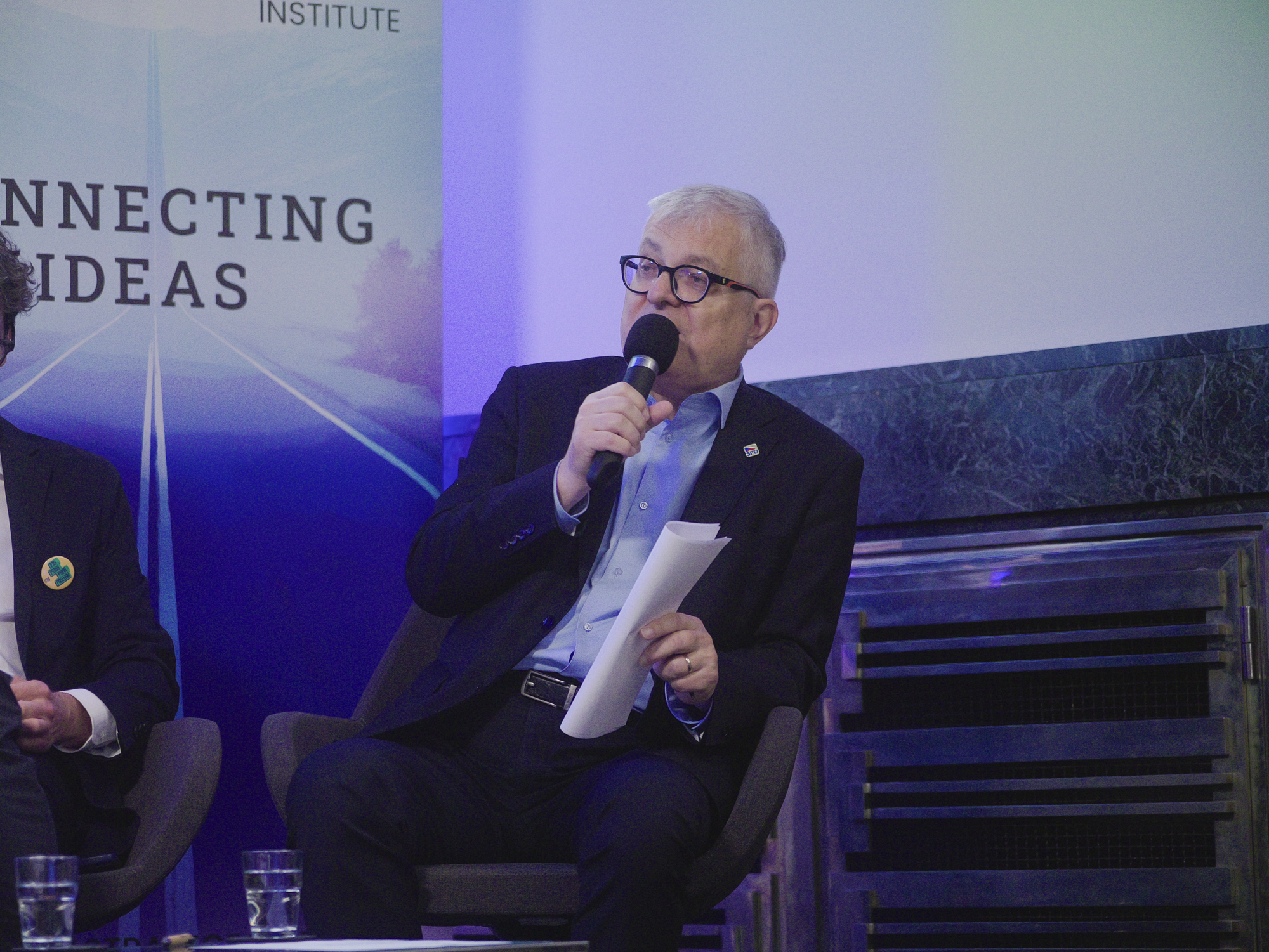
The second panel featured representatives of Prague politics: Jan Hušbauer (ANO), Deputy Mayor of Prague 4; Tereza Nislerová (Pirates), Prague 4 councillor; Hana Novotná (STAN), Prague 8 councillor; and Prague City councillors Tomáš Pek (SPOLU), Adam Scheinherr (Praha sobě) and Milan Urban (SPD).
Participants agreed that the approval of the Metropolitan Plan represented a major achievement. However, they differed sharply on the city’s record in municipal housing construction and the performance of the Prague Development Company (PDS).
“Nothing has been achieved. Prague created its own municipal developer years ago, and to this day it has built zero apartments. After six years, celebrating a building permit for 22 flats is simply embarrassing. The city has enormous investment potential through its land and finances, and it should activate that potential together with the private sector,” said Jan Hušbauer (ANO).
Tereza Nislerová (Pirates) disagreed:
“Around 6,000 apartments are built annually, with a peak of 9,200 in 2021 during Mayor Hřib’s term. Councillor Zábranský focused on renovating neglected municipal housing and restored 3,000 apartments. We established a municipal developer, as virtually every European city has, entrusted with 99 hectares of city land, which has already increased in value by more than CZK 4 billion through planned development projects.”
Hana Novotná (STAN) stressed the importance of turning plans into actual homes:
“Approximately 8,000 municipal apartments have already been planned; now they need to be built. Building procedures in the Czech Republic take seven to ten years, even for private developers. That is why I do not consider it a fatal failure that the municipal developer has not completed housing after only five years.”
Tomáš Pek (SPOLU) highlighted cooperation with private developers:
“The Metropolitan Plan has created clear and predictable rules for developers. Another positive development is the city’s close cooperation with developers through planning agreements. The current city administration has already signed 29 agreements worth more than CZK 8.5 billion, funding infrastructure in development areas.”
He also defended the Prague Development Company:
“It took Penta eight to ten years to complete its first residential building. So a great deal has been achieved in five years: city land has been prepared for future housing instead of being sold off.”
Adam Scheinherr (Praha sobě) argued that priorities need to be narrowed:
“Approving the Metropolitan Plan was essential, and planning agreements have worked well. My concern is that the Prague Development Company is pursuing too many major projects simultaneously—from metro station developments to the Philharmonic Hall—while smaller sites that could obtain permits and be built more quickly are being neglected. The organization needs a clearly defined list of priority projects.”
Milan Urban (SPD) took a different position:
“Nothing has been achieved. The Prague Development Company has already cost CZK 400 million, while promises of 10,000 apartments remain unfulfilled. I do not believe the city should build housing itself. Instead, it should secure apartments through developer contributions or support cooperative housing by contributing municipal land in exchange for a majority ownership stake.”
Public opinion research: what Prague residents think
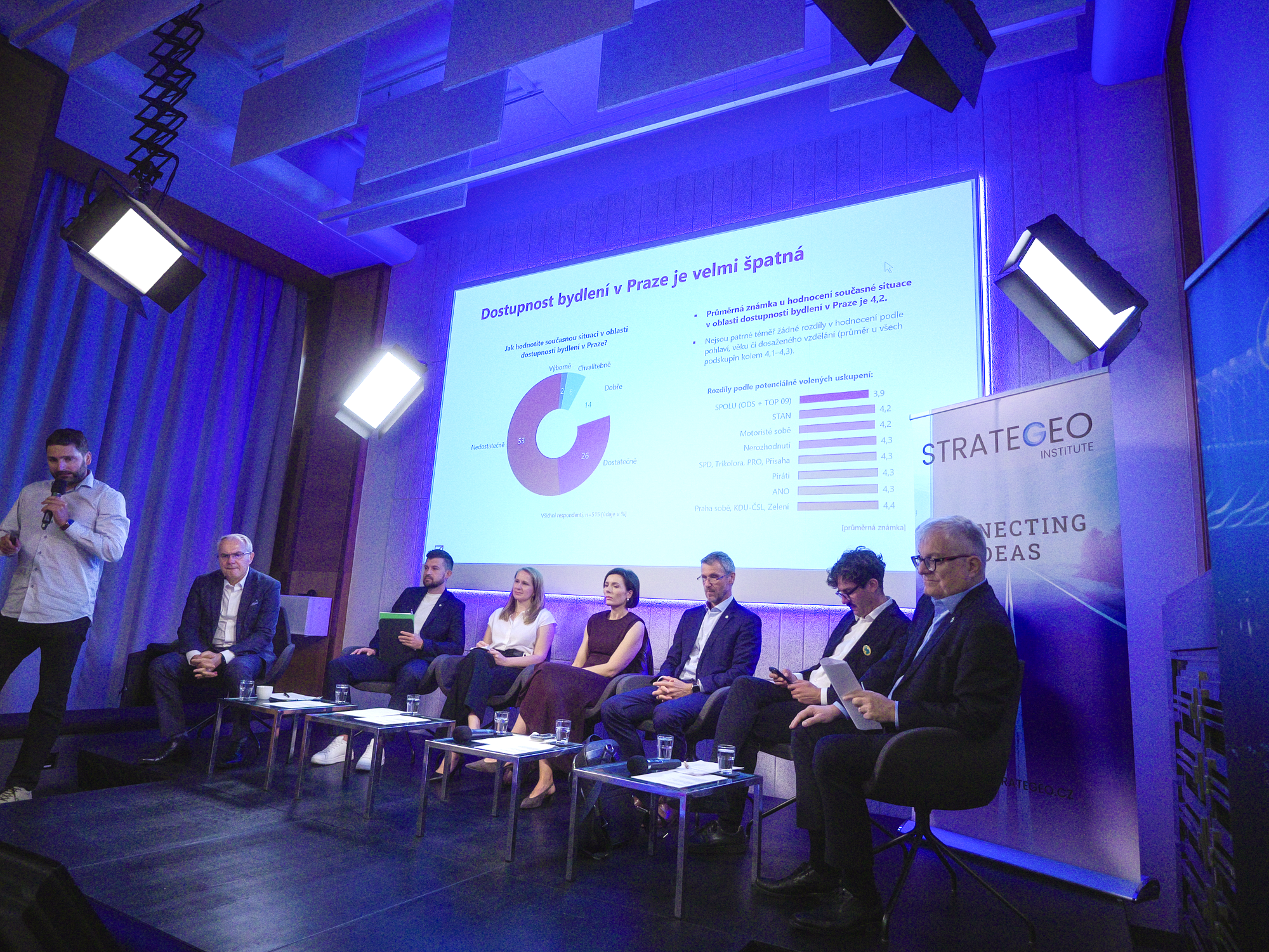
According to an exclusive STEM/MARK survey conducted for Prague Agenda, 80% of respondents rate housing affordability in Prague as poor, a result almost identical to the March survey.
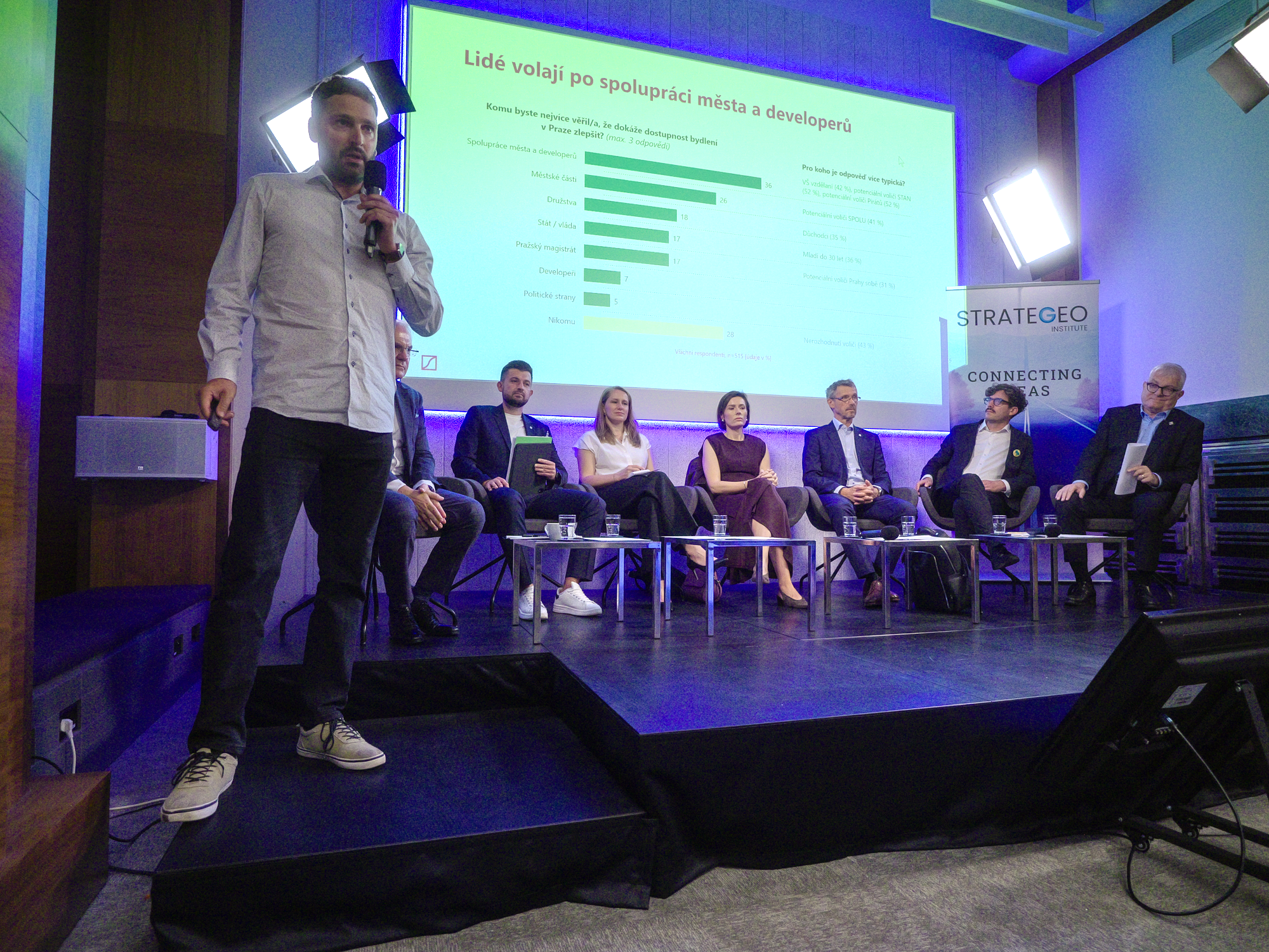
Residents attribute responsibility for the housing crisis almost equally to property investors, the national government, and Prague City Hall. Starter housing for young people is viewed far more favorably than social housing for people in need. Respondents also believe that brownfields, former industrial sites, and underused office buildings should be prioritized for residential development.
The greatest concerns about new construction are the loss of green space, increased traffic congestion, and worsening parking—clear signs of the NIMBY effect.
Prague Agenda’s broader activities
In addition to regular public debates, the Prague Agenda initiative produces public opinion research, podcasts, and policy recommendations for the city. Strategeo Institute expects these outputs to serve as valuable input for political parties competing in Prague’s municipal elections while also providing an expert benchmark against which their programmes and proposals can be evaluated.
Recordings of the debates, research findings, and related content are published on Strategeo’s website and social media channels. The project also includes a podcast series hosted by Jan Macháček, featuring guests from academia, business, politics, and culture with a connection to Prague.
The final public debate in the Prague Agenda series, “How to Govern Prague Effectively,” will take place on 29 September.
About Strategeo Institute
Strategeo Institute is a non-partisan and independent think tank founded in 2024. It focuses on geopolitics, economic strategy, and public policy while promoting the values of classical European liberalism. The Institute was founded by Jan Macháček, its President, a leading Czech commentator and analyst of domestic and international affairs, who also serves as an external foreign policy adviser to the President of the Czech Republic, Petr Pavel.